


What Are SS Wire Mesh Filter Cartridges?
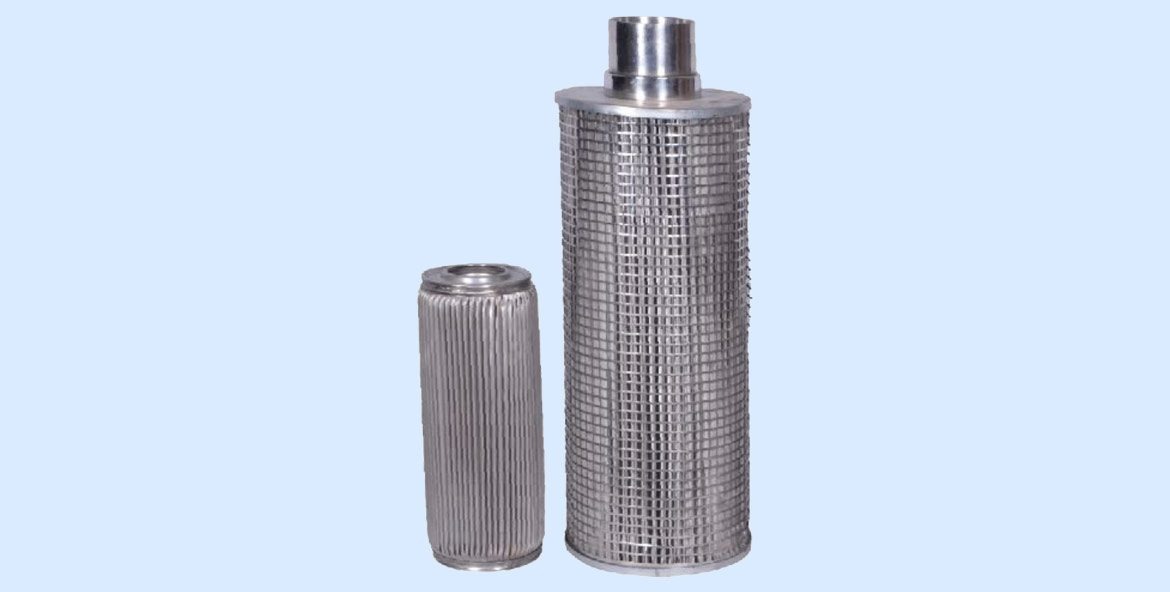
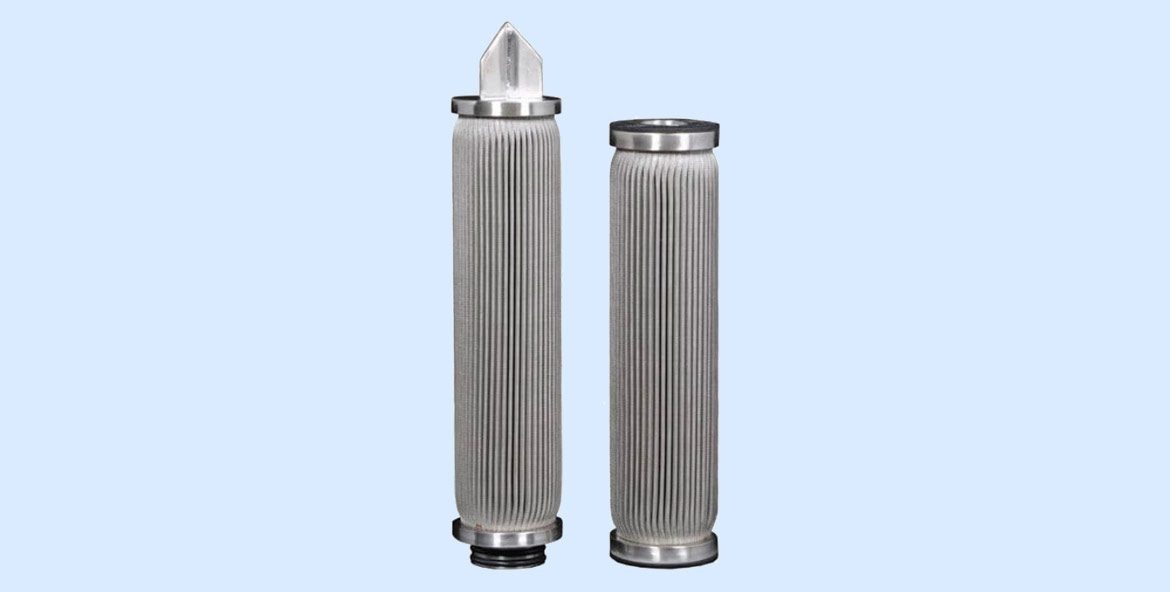
At its core, an SS wire mesh filter cartridge is an industrial filtration solution designed to efficiently remove contaminants from gases, liquids, and slurries. These filters, made from high-grade stainless steel like SS 304, SS 316L, or Duplex SS, are a go-to choice in industries where high flow rates, high pressures, and extreme durability are required. They’re commonly used in sectors like oil & gas, water treatment, pharmaceuticals, and food & beverage—industries where contamination control is critical for system efficiency and product purity.
Now, let’s take a look at the technical benefits of SS wire mesh filters. These filters are known for their durability and corrosion resistance, particularly in harsh environments where other filtration types may fail. They offer consistent performance over long operational cycles, with the ability to handle extreme temperature ranges (from -50°C to 300°C) and high-pressure systems.
In practical terms, SS wire mesh filters are highly cost-effective in the long run. While the initial investment may be higher compared to disposable filters, their reusability and low maintenance costs make them an ideal choice for industries that require continuous filtration without interruption. These filters also contribute to extended equipment life, reducing the need for frequent replacements, which is an essential factor for businesses striving for operational efficiency.
Key Benefits:
- Material Strength: SS wire mesh filters are made of stainless steel, offering resistance to rust, corrosion, and abrasion. Ideal for high-stress applications.
- Filtration Efficiency: These filters effectively capture contaminants in the 5 µm to 200 µm range, improving the quality of the process fluids.
- Performance: With excellent flow rate handling (up to 200 m³/hr), these filters are designed to keep systems running smoothly without frequent downtime for maintenance.
One overlooked detail? SS wire mesh filters are extremely easy to clean. In most installations, operators find that periodic backwashing or ultrasonic cleaning is enough to restore the filter to optimal performance. This is a significant advantage in industries like oil & gas, where continuous uptime is essential.
Technical Specifications & Performance Curves of SS Wire Mesh Filters
SS wire mesh filter cartridges are meticulously engineered to handle the most challenging industrial filtration applications. These filters are designed to provide reliable performance in fluid and gas filtration systems, where high efficiency and durability are essential. Below are the core specifications that highlight the versatility, adaptability, and performance of SS wire mesh filters.
Key Technical Specifications:
- Filtration Efficiency: SS wire mesh filters excel at removing contaminants, with nominal filtration ratings ranging from 5 µm to 200 µm. This makes them ideal for capturing larger particles such as sand, rust, sediments, and other debris from process fluids. Their high filtration efficiency ensures that contaminants are removed without compromising flow capacity.
- Flow Rates: These filters are designed to handle a wide range of flow rates, from 2 m³/hr to 30 m³/hr per cartridge, depending on the model size and micron rating. For multi-cartridge systems, flow rates can reach even higher levels, allowing them to meet the demands of large-scale filtration systems in oil & gas, water treatment, and chemical processing industries.
- Pressure Ratings: SS wire mesh filters are robust and capable of handling high-pressure environments. Standard models are rated for up to 10 bar (145 psi), but custom designs can be manufactured to handle pressures of up to 20 bar (290 psi). This makes them suitable for high-pressure applications, including hydraulic filtration and process systems.
- Temperature Ratings: SS wire mesh filters can withstand a wide temperature range, from -50°C to 300°C (from -58°F to 572°F). This temperature resistance makes them ideal for applications that involve high-temperature fluids or gases, such as steam systems, chemical reactors, and high-heat industrial processes.
Performance Curves & Data:
The performance of SS wire mesh filter cartridges is often represented through flow rate vs. pressure drop curves. These curves demonstrate the relationship between flow rate and pressure loss across the filter. As the flow rate increases, the pressure drop also rises. This is a critical factor in determining the optimal filter size for your system, ensuring efficient filtration while minimizing energy consumption and operational costs.
Below is a simplified performance chart illustrating the relationship between flow rate and pressure drop for SS wire mesh filters. It’s important to choose the right filter based on these characteristics to balance flow efficiency with maintenance requirements.
Table: SS Wire Mesh Filter Specifications:
| Specification | Value |
|---|---|
| Filtration Efficiency | 5 µm – 200 µm |
| Flow Rate | 2 m³/hr – 30 m³/hr (per cartridge) |
| Pressure Rating | 10 bar (145 psi) (up to 20 bar) |
| Temperature Rating | −50 °C to 300 °C (−58 °F to 572 °F) |
These filters are engineered to handle high dirt-holding capacity, which allows them to operate for extended periods without clogging or compromising filtration efficiency. Their easy-to-clean design ensures minimal downtime, making them ideal for continuous-duty operations in industrial environments where long-term performance and reliability are critical.
Materials Used in SS Wire Mesh Filter Cartridges
SS wire mesh filter cartridges are crafted using high-grade stainless steel alloys, ensuring exceptional strength, durability, and resistance to corrosion. The material chosen for these filters plays a crucial role in their performance—affecting their chemical resistance, temperature tolerance, and overall longevity. Below are the key materials commonly used in SS wire mesh filters, each offering distinct advantages for different industrial applications.
1. SS 304 (Stainless Steel 304)
- Material Properties: SS 304 is one of the most widely used grades of stainless steel. It provides excellent resistance to rust and corrosion in most environments, especially water, air, and a range of chemicals. While it’s durable, SS 304 is not ideal for environments with high chloride exposure, which can lead to corrosion over time.
- Applications: SS 304 is perfect for general-purpose filtration systems across industries such as food processing, pharmaceuticals, and water treatment, where the primary concern is filtration efficiency rather than exposure to extreme chemicals or temperatures.
- Benefits: SS 304 offers an attractive cost-efficiency for businesses operating in environments with moderate chemical exposure. It provides solid performance without the higher costs of more corrosion-resistant materials. However, it is not recommended for harsh environments with high chloride levels (e.g., seawater filtration), where materials like SS 316L would be more suitable.
2. SS 316L (Stainless Steel 316L)
- Material Properties: SS 316L is a low-carbon version of SS 316, containing molybdenum, which enhances its resistance to chlorides, pitting corrosion, and stress corrosion cracking. This makes it ideal for use in more aggressive environments such as saltwater, strong chemicals, or acidic solutions.
- Applications: SS 316L is used in industries requiring high corrosion resistance, including marine environments, chemical processing, and pharmaceuticals. It is the preferred material for applications where seawater filtration or exposure to corrosive chemicals is common.
- Benefits: SS 316L offers superior corrosion resistance and high-temperature tolerance, making it highly suited for demanding filtration applications. Its enhanced durability makes it a longer-lasting option compared to SS 304, providing higher performance in corrosive environments.
3. Duplex SS (Duplex Stainless Steel 2205)
- Material Properties: Duplex SS 2205 combines the properties of both austenitic and ferritic stainless steels, offering a higher strength-to-weight ratio and excellent resistance to stress corrosion cracking. This material is known for its superior mechanical strength and resistance to corrosion, especially in aggressive environments that may cause issues for regular stainless steel alloys.
- Applications: Duplex SS 2205 is commonly used in oil and gas industries, power generation, and seawater desalination systems, where high mechanical strength and resistance to extreme corrosion are essential.
- Benefits: Duplex SS 2205 provides exceptional mechanical strength and improved resistance to pitting and crevice corrosion compared to SS 304 and SS 316L. Its superior durability makes it an excellent choice for industries that require long-term reliability in harsh conditions.
Material Comparison Chart:
| Material | Corrosion Resistance | Temperature Resistance | Strength | Typical Applications |
|---|---|---|---|---|
| SS 304 | Moderate | Up to 870 °C | Good | General-purpose filtration (food, water) |
| SS 316L | High (resistant to chlorides) | Up to 870 °C | Excellent | Harsh chemical environments (pharma, marine) |
| Duplex SS 2205 | Very High | Up to 300 °C | Superior | Oil & gas, seawater filtration, power plants |
Conclusion
The selection of the right material for your SS wire mesh filter is crucial to its performance and longevity. Depending on your application’s specific needs, you can choose from SS 304 for cost-effective, general-purpose filtration, SS 316L for high-corrosion environments, or Duplex SS 2205 for extreme conditions where strength and corrosion resistance are paramount.
Types & Variants of SS Wire Mesh Filter Cartridges
SS wire mesh filter cartridges are available in various types and configurations, each tailored to meet specific industrial filtration needs. These filters offer versatility in size, flow rate, and application, making them suitable for diverse operational requirements. Whether you are working in oil & gas, food processing, water treatment, or pharmaceuticals, choosing the right configuration ensures optimal filtration performance and efficiency.
1. Single vs. Multi-Cartridge Filters
This approach prevents fiber migration, media compression, and unloading, even after prolonged operation at ΔP up to 4.8 bar (70 psi) or exposure to 149 °C in high-temperature models.
Coreless vs. Sleeved Construction
- Single Cartridge Filters: Single cartridge filters are ideal for low to moderate flow applications, typically in smaller systems or environments where space is limited. They are easy to install and maintain, providing a cost-effective solution for basic filtration needs. These filters are commonly used in small-scale operations or for systems with relatively lower flow demands.
- Applications: Small-scale water filtration, laboratory filtration, and household systems.
- Flow Capacity: Up to 30 m³/hr per cartridge.
- Maintenance: Regular cleaning is usually sufficient, reducing downtime and keeping maintenance costs low.
- Multi-Cartridge Filters: For higher flow requirements, multi-cartridge filters are the solution. These filters feature multiple cartridges housed in a single filtration system, which increases the filtration surface area and boosts flow capacity. Multi-cartridge systems are designed to handle large-scale filtration needs in industries like oil & gas and chemical processing, where maintaining high filtration efficiency is crucial.
- Applications: Large industrial filtration systems, water treatment plants, and chemical processing units.
- Flow Capacity: Can handle up to 200 m³/hr or more, depending on system configuration.
- Maintenance: Less frequent cleaning required, as each cartridge works in tandem to share the load.
2. Simplex vs. Duplex Filters
- Simplex Filters: Simplex filters feature a single filtration chamber, making them ideal for low-volume or non-continuous filtration applications. These systems typically require manual cleaning or filter replacement when the dirt-holding capacity is reached. Simplex filters are best suited for basic operations that don't demand continuous filtration or constant system operation.
- Applications: Low-flow systems, non-critical filtration, and temporary installations.
- Maintenance: Frequent maintenance is needed due to manual cleaning and filter replacement.
- Flow Capacity: Variable, based on filter size.
- Duplex Filters: Duplex filters offer a significant advantage over simplex filters, as they have two filter chambers that allow for continuous operation. While one chamber is in use, the other can be cleaned or replaced without interrupting the flow, making duplex systems essential for critical filtration systems. This feature is particularly beneficial in industries where uninterrupted filtration is necessary, such as power generation or chemical processing.
- Applications: Critical systems like power plants, chemical plants, and industrial processes requiring continuous filtration.
- Maintenance: Minimal downtime due to the ability to switch between filter chambers.
- Flow Capacity: Variable, can handle large volumes depending on system size.
3. Sanitary vs. Industrial Filters
- Sanitary Filters: Sanitary filters are designed for applications in highly regulated industries such as food and beverage, pharmaceuticals, and biotech. These filters must meet stringent FDA and 3-A sanitary standards, ensuring that no contaminants are introduced into the product. Sanitary filters are designed with smooth surfaces and easy-to-clean components, making them suitable for environments where hygiene and contamination prevention are paramount.
- Applications: Food and beverage filtration, pharmaceutical water filtration, and biotech applications.
- Flow Capacity: Typically low to medium.
- Maintenance: Easy cleaning and maintenance, with minimal downtime required.
- Industrial Filters: Industrial filters are built for more rugged environments, handling harsh conditions typically found in industries like oil & gas, water treatment, and mining. These filters offer high strength, durability, and resistance to aggressive chemicals and high temperatures, making them perfect for continuous industrial processes.
- Applications: Oil & gas filtration, mining slurry filtration, and high-temperature industrial filtration.
- Flow Capacity: Medium to high, depending on filter design.
- Maintenance: Periodic maintenance is required to ensure long-term reliability.
Filter Type Comparison Table:
| Filter Type | Features | Applications | Flow Capacity | Maintenance |
|---|---|---|---|---|
| Single Cartridge Filter | Cost-effective, easy to install | Small-scale applications | Up to 30 m³/hr | Regular cleaning |
| Multi-Cartridge Filter | Higher filtration area, higher flow rate | Large systems (industrial, water treatment) | Up to 200 m³/hr | Less frequent cleaning |
| Simplex Filter | Single chamber, manual cleaning | Non-continuous applications | Variable | Frequent maintenance |
| Duplex Filter | Two chambers for continuous operation | Critical systems (power plants, chemicals) | Variable | Minimal downtime |
| Sanitary Filter | Complies with FDA/3-A standards | Food, beverage, pharmaceuticals | Low to medium | Easy cleaning |
| Industrial Filter | Robust design for harsh environments | Oil & gas, water treatment, mining | Medium to high | Periodic maintenance |
Conclusion
Choosing the right SS wire mesh filter configuration depends on your specific application requirements. Whether you need a single cartridge for a small operation or a multi-cartridge system for high-flow demands, these filters are designed to deliver reliable performance across a wide range of industries. Duplex filters offer the flexibility of continuous filtration, while sanitary filters are tailored to industries requiring hygiene and contamination control. Understanding these options ensures that you select the right filter to optimize your filtration system’s efficiency and longevity.
Regulatory & Compliance Standards for SS Wire Mesh Filters
SS wire mesh filter cartridges are designed to meet stringent industry-specific regulations and certifications, ensuring that they perform safely, effectively, and in compliance with environmental and health standards. Adhering to these regulations is especially crucial in high-performance applications within regulated industries like pharmaceuticals, food and beverage, oil and gas, and water treatment. Below, we’ll explore the most relevant standards and certifications that SS wire mesh filters must meet.
1. ISO Standards
- ISO 9001: The ISO 9001 certification is one of the most important quality management standards. It ensures that manufacturers, including those producing SS wire mesh filters, follow rigorous quality control practices during manufacturing, testing, and product development. This standard guarantees that the filters are built with reliability, durability, and high performance.
- Impact on SS Wire Mesh Filters: ISO 9001 ensures that SS wire mesh filters are manufactured to meet the highest standards of quality, reducing the risk of failure and enhancing product longevity.
- ISO 14001: The ISO 14001 certification focuses on environmental management practices, ensuring that the production of SS wire mesh filters follows sustainable manufacturing processes. It emphasizes minimizing the environmental impact of production, including energy use and waste management.
- Impact on SS Wire Mesh Filters: By adhering to ISO 14001, manufacturers reduce their carbon footprint and contribute to environmental sustainability, which is crucial for companies that prioritize eco-friendly operations.
2. CE Marking
- The CE Marking signifies that a product complies with the European Union (EU) safety, health, and environmental protection standards. For SS wire mesh filters, the CE mark is essential for export to the EU, ensuring that the filters are not only safe but also fit for purpose under EU regulations.
- Impact on SS Wire Mesh Filters: Filters bearing the CE mark are guaranteed to meet EU safety and environmental standards, ensuring their marketability and acceptance within the EU market. This certification is a necessity for manufacturers wishing to export to European markets.
3. FDA Compliance
- For industries like food and beverage and pharmaceuticals, SS wire mesh filters must comply with FDA regulations. These regulations ensure that the materials used in the filters, especially the stainless steel mesh, are non-toxic and suitable for contact with consumables.
- Impact on SS Wire Mesh Filters: FDA compliance guarantees that SS wire mesh filters used in food processing or pharmaceutical applications do not leach harmful substances into products, ensuring product purity and safety for consumers.
4. ASME Standards
- The American Society of Mechanical Engineers (ASME) standards, particularly the ASME BPVC (Boiler and Pressure Vessel Code), are crucial for SS wire mesh filters used in high-pressure systems. ASME standards ensure that filters operate safely under high-pressure conditions, often encountered in industries like oil and gas, power plants, and petrochemical applications.
- Impact on SS Wire Mesh Filters: SS wire mesh filters that meet ASME standards provide reliable and safe performance in systems under high-pressure environments, protecting equipment and minimizing operational risks.
5. Other Industry Standards
- PED (Pressure Equipment Directive): This European standard ensures that SS wire mesh filters used in pressure vessels and high-pressure systems meet safety and durability requirements.
- Impact on SS Wire Mesh Filters: Filters that comply with PED can safely handle high-pressure fluids, making them suitable for oil & gas, power generation, and other pressure-intensive industries.
- NSF Certification: The NSF (National Sanitation Foundation) certification ensures that SS wire mesh filters used in drinking water filtration and food-grade applications meet safety standards for safe material use.
- Impact on SS Wire Mesh Filters: With NSF certification, SS wire mesh filters are suitable for water treatment and food & beverage filtration, ensuring compliance with safety and purity standards for drinking water and food processing.
Compliance Matrix Table:
| Standard / Certification | Description | Relevance for SS Wire Mesh Filters | Applicable Industries |
|---|---|---|---|
| ISO 9001 | Quality management system certification | Ensures high manufacturing quality | General, Oil & Gas, Pharma, Food |
| CE Marking | European safety and environmental standards | Ensures EU market compliance | Export to EU, Oil & Gas, Pharma |
| FDA Compliance | Safe materials for food and pharmaceutical use | Ensures non-toxic material for filters | Food, Beverage, Pharma |
| ASME BPVC | Pressure vessel and equipment certification | Ensures high-pressure performance | Oil & Gas, Power, Petrochemical |
| PED | Pressure Equipment Directive | Ensures safe operation in pressure systems | Oil & Gas, Power, Petrochemical |
| NSF Certification | Safe materials for water filtration | Suitable for drinking water filtration | Water Treatment, Food, Beverage |
Conclusion
Selecting SS wire mesh filters that comply with these industry standards and certifications ensures that your filtration systems are safe, efficient, and legally compliant. By choosing filters that meet these high standards, you protect both your operations and the environment while enhancing product quality and ensuring the safety of consumers.
Benefits of SS Wire Mesh Filter Cartridges
SS wire mesh filter cartridges offer a range of significant benefits over traditional filtration solutions, making them the preferred choice in demanding industrial applications. From durability to cost-effectiveness and low maintenance, these filters are engineered to reduce operational costs while maintaining high filtration efficiency. Below are the key advantages that make SS wire mesh filters a reliable option for industries such as oil and gas, pharmaceuticals, food and beverage, and chemical processing.
Key Benefits:
- Durability: SS wire mesh filters are constructed from high-quality stainless steel, offering exceptional resistance to corrosion, abrasion, and high temperatures. This makes them ideal for use in harsh environments like oil and gas extraction, chemical processing, and marine filtration systems, where other materials may fail due to wear or corrosion. The robust nature of these filters ensures long-lasting performance, even under extreme conditions.
- Reusability: One of the standout features of SS wire mesh filters is their reusability. Unlike disposable filters, which need to be replaced after each use, SS wire mesh filters can be backwashed, ultrasonically cleaned, or manually scrubbed for multiple cycles. This ability to clean and reuse the filters significantly extends their lifespan, reducing the need for frequent replacements and cutting down on maintenance and material costs. In high-demand filtration systems, this can result in substantial savings over time.
- Cost-Effectiveness: While the initial cost of SS wire mesh filters may be higher than traditional filtration methods, their long lifespan and reusability provide substantial long-term savings. By reducing the frequency of filter replacements, businesses can save money on disposal fees, replacement filters, and maintenance downtime. For high-flow or high-pressure systems, this cost savings can be significant, making SS wire mesh filters a cost-effective solution in the long run.
- Low Maintenance: SS wire mesh filters are designed for minimal maintenance. In most applications, regular cleaning is sufficient to keep the filters operating at peak efficiency. The ability to clean filters without needing to replace them frequently results in minimal downtime and fewer maintenance interventions. This is especially beneficial for industries like power generation and water treatment, where continuous filtration is essential for operational stability.
Additional Advantages:
- Customizable Sizes and Configurations: SS wire mesh filters come in a wide variety of sizes and configurations, allowing them to be customized to meet the specific needs of any industrial application. Whether you require a single cartridge system for a small-scale operation or a multi-cartridge system for high-flow industrial filtration, SS wire mesh filters can be tailored to suit your specific requirements.
- High Filtration Efficiency: These filters offer fine filtration capabilities, typically in the range of 5 µm to 200 µm, making them highly effective at removing contaminants such as sediments, rust, scale, and other debris from process fluids. Whether used for pre-filtration in reverse osmosis (RO) systems or post-filtration in chemical reactors, SS wire mesh filters deliver consistent and reliable performance.
Benefits Overview:
- Durability: Resistant to rust, corrosion, and wear, SS wire mesh filters are built to withstand extreme environments.
- Reusability: These filters are cleanable and reusable, which reduces replacement costs and maintenance.
- Cost-Effectiveness: Their long service life and reusability ensure a lower total cost of ownership.
- Low Maintenance: With minimal downtime and easy cleaning, SS wire mesh filters are a low-maintenance filtration solution.
SS wire mesh filters are a top choice for industries that demand high-performance filtration solutions. Their robust design, reusability, and cost-effectiveness make them an attractive option for businesses looking to improve operational efficiency and reduce long-term maintenance costs.
Applications & Industries for SS Wire Mesh Filters
SS wire mesh filter cartridges are essential in a wide array of industries due to their robust performance, durability, and ability to withstand high flow rates and pressure conditions. These filters excel at removing particulate contaminants from liquids, gases, and slurries, playing a crucial role in ensuring the smooth operation of various industrial processes. Below are the key industries where SS wire mesh filters are commonly used:
1. Oil & Gas
In the oil and gas industry, SS wire mesh filters are indispensable for protecting sensitive equipment such as pumps, turbines, and pipelines. By filtering out solid particles from crude oil, water, and gases, these filters help extend the lifespan of equipment, improve system efficiency, and prevent clogging. Given the harsh environments in which these filters operate, their high durability is critical for ensuring continuous operation.
- Applications:
- Filtration of crude oil
- Water treatment (for desalination and recycling)
- Gas filtration in processing systems
- Hydraulic systems (filtering particulate from fluids)
2. Water Treatment
In water treatment plants, SS wire mesh filters serve as vital pre-filters in reverse osmosis (RO) systems. These filters remove larger particles from water before it enters the RO membranes, protecting the membranes from damage and extending their operational life. SS wire mesh filters are also used for cooling water filtration in industrial applications where maintaining water purity is crucial to system performance.
- Applications:
- Drinking water filtration
- Wastewater treatment (industrial and municipal)
- RO pre-filtration for high-purity water systems
- Cooling water filtration in power plants and manufacturing
3. Food & Beverage
In the food and beverage industry, SS wire mesh filters ensure that liquids such as oils, juices, and beer are free of contaminants, thus safeguarding product purity and safety. These filters must comply with FDA and 3-A sanitary standards, making them essential for ensuring product quality and food safety. Their ability to withstand high temperatures and frequent cleaning cycles makes them ideal for these demanding applications.
- Applications:
- Liquid filtration for oils, juices, and beer
- Hygienic filtration to ensure food safety during processing
4. Pharmaceuticals
The pharmaceutical industry requires the highest standards of filtration to ensure that critical fluids are free from contaminants. SS wire mesh filters play a vital role in sterile filtration systems, ensuring that pharmaceutical water and active pharmaceutical ingredients (APIs) are contaminant-free. These filters comply with strict standards such as FDA regulations and cGMP (Current Good Manufacturing Practices).
- Applications:
- Sterile filtration for pharmaceutical applications
- Pharmaceutical water filtration (for injection and purification)
- API production (to ensure purity during the manufacturing process)
5. Power Generation
In power generation, SS wire mesh filters are used in systems such as turbines, cooling systems, and hydraulic systems. They are designed to handle high flow rates and extreme pressures, helping to ensure that these systems operate at optimal performance. By removing contaminants from the process fluids, they protect critical equipment, thereby reducing downtime and maintenance costs in power plants.
- Applications
- Cooling water filtration in power plants
- Turbine protection by preventing contaminants from entering machinery
- Hydraulic systems filtration for consistent fluid flow and system longevity
6. Aerospace
In the aerospace industry, SS wire mesh filters are crucial for fuel filtration and lubrication systems in aircraft engines. These filters need to meet stringent specifications for reliability, performance, and safety, ensuring that contaminants do not interfere with the aircraft’s operation. Aerospace applications require filters that can function effectively at high altitudes and under extreme conditions.
- Applications
- Fuel filtration for aircraft engines
- Aircraft engine lubrication to ensure smooth operations
- Hydraulic systems in aircraft for pressure and fluid management
Applications Overview:
- Oil & Gas: Protects sensitive equipment from contaminants in crude oil and gas, ensuring reliable operation in harsh conditions.
- Water Treatment: Crucial for RO pre-filtration, wastewater treatment, and cooling water filtration, maintaining clean water for industrial and municipal uses.
- Food & Beverage: Ensures food safety, meeting FDA and sanitary standards for the filtration of liquids like oils, juices, and beer.
- Pharmaceuticals: Meets FDA and cGMP standards for sterile filtration and pharmaceutical water production, ensuring high-quality products.
- Power Generation: Protects turbines and cooling systems, maintaining high performance and extending the life of equipment in power plants.
- Aerospace: Ensures filtration integrity for fuel and lubrication systems, critical to the safety and efficiency of aircraft operations.
Applications Overview
- Oil & Gas: Protects sensitive equipment from contaminants in crude oil and gas, ensuring reliable operation in harsh conditions.
- Water Treatment: Crucial for RO pre-filtration, wastewater treatment, and cooling water filtration, maintaining clean water for industrial and municipal uses.
- Food & Beverage: Ensures food safety, meeting FDA and sanitary standards for the filtration of liquids like oils, juices, and beer.
- Pharmaceuticals: Meets FDA and cGMP standards for sterile filtration and pharmaceutical water production, ensuring high-quality products.
- Power Generation: Protects turbines and cooling systems, maintaining high performance and extending the life of equipment in power plants.
- Aerospace: Ensures filtration integrity for fuel and lubrication systems, critical to the safety and efficiency of aircraft operations.
Lifecycle Cost & ROI of SS Wire Mesh Filters
When evaluating the total cost of ownership (TCO), SS wire mesh filters provide a clear financial advantage over traditional filtration methods, especially disposable filters. While the initial investment may be higher, the durability, reusability, and low maintenance features of SS wire mesh filters result in significant long-term savings. Below is a breakdown of the costs and return on investment (ROI) associated with these filters over time.
1. Initial Cost vs. Long-Term Savings
- Initial Investment: The upfront cost of SS wire mesh filters is generally higher than that of disposable or lower-grade filters. However, this investment is quickly offset by the long lifespan and reusability of the filters. While disposable filters may appear cheaper initially, their short lifespan and need for frequent replacement lead to higher overall costs.
- Replacement Costs: Unlike disposable filters that must be replaced after each use, SS wire mesh filters are reusable and can be cleaned multiple times, dramatically reducing the need for replacements. This also eliminates the disposal fees associated with traditional filters, contributing further to cost savings over time.
- Maintenance Savings: Maintaining SS wire mesh filters is inexpensive and straightforward. Routine cleaning (such as backwashing or ultrasonic cleaning) typically involves minimal effort and low costs. This makes SS wire mesh filters much more cost-efficient than other filters that require frequent disposal and replacement. This translates to lower maintenance costs and less downtime.
2. Maintenance & Cleaning Costs
- Low Maintenance: SS wire mesh filters are designed for easy cleaning. Common methods like backwashing (reversing the flow of fluid through the filter) and ultrasonic cleaning ensure that the filters remain in optimal condition with minimal downtime. These low-maintenance procedures are simple, cost-effective, and take less time than replacing disposable filters or other filtration systems.
- Replacement Parts: Due to the durable construction of SS wire mesh filters, the need for replacement parts such as gaskets, seals, or mesh is infrequent. This not only reduces ongoing maintenance costs but also enhances the overall cost-effectiveness of the filters over their entire service life.
3. Return on Investment (ROI)
Investing in SS wire mesh filters offers significant ROI due to their extended service life, reduced operational costs, and increased system efficiency. By using these filters, businesses can expect:
- Extended Equipment Life: The protective nature of SS wire mesh filters extends the life of downstream equipment such as pumps, turbines, and hydraulic systems by preventing the ingress of harmful contaminants. This reduces the frequency of costly repairs and replacement parts for other equipment.
- Reduced Downtime: With SS wire mesh filters’ easy cleaning and low maintenance needs, businesses experience minimal downtime for maintenance, allowing for continuous filtration. This increased operational efficiency leads to better overall system performance and lower total maintenance costs.
- Cost Savings: Over a typical 3-5 year period, SS wire mesh filters can save companies 30%-40% in total operational costs when compared to disposable filter systems. This savings is a result of their reusability, low maintenance requirements, and extended service life.
Cost Breakdown
| Cost Category | SS Wire Mesh Filters | Disposable Filters |
|---|---|---|
| Initial Investment | High | Low |
| Replacement Costs | Low (Reusable) | High (Frequent replacement) |
| Maintenance Costs | Low (Minimal) | High (Frequent replacement) |
| Total Operational Cost | Low | High |
| Expected Service Life | 3–5 Years (or more) | 6–12 months |
| ROI | High (30%–40% Savings) | Low |
Conclusion
SS wire mesh filters offer substantial long-term cost savings through their reusability, low maintenance, and durability. Though the initial investment may be higher, the total cost of ownership (TCO) is significantly lower over time compared to disposable filters. For industries seeking continuous filtration with minimal downtime, SS wire mesh filters provide an excellent ROI, reducing operational costs by 30%-40% over a 3-5 year period.
Comparisons with Competitor Products
When selecting the right filtration solution for a specific application, it’s essential to compare SS wire mesh filters with other commonly used filtration technologies, such as pleated filters, bag filters, and sintered filters. Each filter type offers unique advantages depending on the application, but SS wire mesh filters stand out in areas such as durability, reusability, and cost-effectiveness. Below is a detailed comparison of SS wire mesh filters with these alternative filtration solutions.
SS Wire Mesh Filter vs Pleated Filter
- Material & Durability: SS wire mesh filters are made from stainless steel, which offers superior resistance to corrosion, high temperatures, and abrasion. This makes them ideal for demanding industrial applications. In contrast, pleated filters are typically made from synthetic materials such as polypropylene, nylon, or polysulfone. These materials, while effective for filtration, tend to degrade faster in harsh environments.
- Filtration Efficiency: SS wire mesh filters are available in 5 µm to 200 µm filtration ratings, making them highly effective at removing larger particles and debris. Pleated filters, on the other hand, can filter down to 0.2 µm, making them more effective at fine filtration but prone to clogging. As pleated filters become clogged, their filtration efficiency decreases, and they require more frequent replacements.
- Reusability: One of the significant advantages of SS wire mesh filters is their reusability. They can be easily cleaned and reused multiple times, significantly reducing long-term maintenance costs. In contrast, pleated filters are typically disposable and need to be replaced regularly, which can add to the operational cost.
- Cost: While the initial cost of SS wire mesh filters may be higher than that of pleated filters, their long lifespan, reusability, and low maintenance costs result in a lower total cost of ownership (TCO) over time. Pleated filters, though inexpensive upfront, incur higher replacement and disposal costs over time.
SS Wire Mesh Filter vs Bag Filter
- Flow Capacity: SS wire mesh filters are generally used for high-flow applications and can handle flow rates up to 200 m³/hr per cartridge, depending on the model and micron rating. Bag filters, on the other hand, are typically more suitable for low to medium flow applications, with flow rates ranging from 10 m³/hr to 100 m³/hr.
- Durability: SS wire mesh filters are known for their high mechanical strength and can withstand higher pressures and aggressive environments. In contrast, bag filters are more vulnerable and may rupture under high pressure or in environments with harsh chemicals.
- Efficiency: Bag filters can filter finer particles, typically down to 1 µm. However, their filtration efficiency decreases as they become clogged, leading to reduced performance and the need for frequent replacements. SS wire mesh filters maintain consistent performance throughout their operational life because they can be cleaned and reused, maintaining their efficiency for much longer periods.
- Maintenance: Bag filters require frequent replacement, which increases operational costs. In contrast, SS wire mesh filters have a longer service life and require minimal maintenance. Routine cleaning or backwashing is usually sufficient to keep these filters in optimal condition.
SS Wire Mesh Filter vs Sintered Filter
- Material: Both sintered filters and SS wire mesh filters are designed for high mechanical strength. However, sintered filters are typically made from metal powders or fibers, which can be more fragile compared to the woven wire mesh structure of SS wire mesh filters. This makes SS wire mesh filters more durable in high-stress applications.
- Filtration Efficiency: Sintered filters offer fine filtration and can handle sub-micron particles, making them ideal for applications requiring very fine filtration. However, their porosity can lead to higher pressure drops across the filter. SS wire mesh filters, while not as fine as sintered filters, offer lower pressure drops due to their open mesh structure and are better suited for high flow rate applications.
- Reusability: Both sintered filters and SS wire mesh filters are reusable. However, sintered filters often require more intricate cleaning methods (such as backwashing or chemical cleaning) compared to the simple backwashing used for SS wire mesh filters. The simplicity and efficiency of cleaning SS wire mesh filters make them a more convenient option in many applications.
Product Comparison Table
| Feature | SS Wire Mesh Filter | Pleated Filter | Bag Filter | Sintered Filter |
|---|---|---|---|---|
| Material | Stainless Steel | Synthetic materials (PP, Nylon) | Fabric or Synthetic | Metal Powder/Fibers |
| Filtration Efficiency | 5 µm – 200 µm | 0.2 µm – 100 µm | 1 µm – 100 µm | 1 µm – 50 µm |
| Durability | High (corrosion-resistant, reusable) | Moderate (wears down over time) | Moderate (prone to rupture under pressure) | High (fragile, but reusable) |
| Flow Rate | High (up to 200 m³/hr) | Medium (lower flow rates) | Low to Medium (10–100 m³/hr) | Low to Medium (10–50 m³/hr) |
| Maintenance | Low (cleanable and reusable) | High (frequent replacement) | Moderate (regular bag replacement) | Moderate (requires cleaning) |
| Cost | Higher initial, lower TCO | Low initial, higher TCO | Low initial, moderate TCO | High initial, moderate TCO |
Conclusion
Choosing the right filtration solution depends on your specific requirements. While pleated filters may be better for fine filtration, SS wire mesh filters excel in durability, reusability, and high-flow applications. Bag filters are a good choice for low-to-medium flow systems but require more frequent maintenance, whereas sintered filters offer fine filtration but come with higher pressure drops and more complex cleaning processes. For cost-effectiveness and long-term reliability, SS wire mesh filters are often the superior choice.
Buying & Procurement Considerations
When purchasing SS wire mesh filter cartridges, there are several key factors to consider to ensure you select the right filter for your application. Whether you’re purchasing filters for oil and gas, water treatment, pharmaceuticals, or the food and beverage industry, the choice of size, material, and certification standards can significantly impact both the performance of your system and operational costs. Below is a comprehensive guide to help you make informed purchasing decisions.
1. Size and Filtration Rating
Choosing the correct size and filtration rating is crucial for achieving optimal filtration efficiency. SS wire mesh filters come in a broad range of micron ratings, typically from 5 µm to 200 µm, depending on your application’s specific requirements. Consider the following:
- Filtration Size: The first step is determining the particle size that needs to be filtered. For example, in oil and gas applications, larger particles such as sand and rust may need to be removed, whereas in pharmaceutical or food and beverage industries, finer particles are often targeted for removal.
- Flow Rate: It’s equally important to choose a filter that can handle the required flow rate for your system. Typical SS wire mesh filters handle flow rates from 2 m³/hr to 30 m³/hr per cartridge. However, for larger systems, multi-cartridge configurations can manage even higher flow rates, up to 200 m³/hr or more, ensuring that your filtration system meets your production or operational demands without compromising performance.
- Application Requirements: For high-precision applications, such as those found in the pharmaceutical industry, a finer micron rating (5 µm or smaller) may be necessary to ensure the purity of sensitive fluids. In contrast, oil and gas filtration systems may focus on larger particle sizes (around 100 µm to 200 µm) to filter out debris without affecting flow rates.
2. Material Selection
The material choice for your SS wire mesh filter is a critical consideration, as it affects the filter’s corrosion resistance, mechanical strength, and temperature tolerance. The most common materials used for SS wire mesh filters include:
- SS 304: Ideal for general-purpose filtration in non-corrosive environments, such as water treatment and food and beverage applications. SS 304 is a highly cost-effective option, providing reliable filtration in mild environments. However, it is not suitable for aggressive chemical environments.
- SS 316L: SS 316L offers superior corrosion resistance, especially in chloride-rich or highly corrosive environments. It is commonly used in pharmaceutical, chemical processing, and marine applications where resistance to corrosion is essential for long-term performance.
- Duplex SS 2205: Duplex SS 2205 is a combination of austenitic and ferritic stainless steels, which provides high strength and exceptional resistance to stress corrosion cracking and pitting corrosion. It is ideal for harsh environments, such as oil and gas production and seawater filtration, where resistance to mechanical stress and corrosion is critical.
3. Certification & Compliance
To ensure your SS wire mesh filter meets both safety and performance requirements, it is essential to ensure compliance with various industry standards. Below are some key certifications to consider:
- FDA Compliance: For food-grade and pharmaceutical applications, ensuring that the filter meets FDA standards is critical. FDA compliance ensures that the materials used in the filters are non-toxic and suitable for direct contact with consumables.
- ASME Certification: If your filtration system operates under high pressure, as in oil & gas or power generation applications, ensuring compliance with ASME BPVC (Boiler and Pressure Vessel Code) is important. This certification ensures that the filter can withstand the pressures and stress encountered in these environments.
- ISO 9001: This quality management system certification ensures that the filter is manufactured according to strict quality control standards. It is essential for ensuring consistency and reliability in the manufacturing process, making it ideal for mission-critical applications.
- CE Marking: CE Marking confirms that the filter complies with EU safety and environmental protection regulations, making it a requirement for products sold in the European Union.
- NSF Certification: NSF certification ensures that the filter meets health and safety standards for drinking water systems. It is crucial for applications in water treatment where the filter must meet high sanitary and material safety standards.
4. Vendor and Manufacturer Selection
When selecting a manufacturer for SS wire mesh filters, consider the following factors:
- Reputation: Opt for manufacturers with a proven track record in custom filtration solutions. A reputable manufacturer will offer high-quality products and provide technical expertise to help you select the most suitable filter for your needs.
- Global Compliance: Ensure that the manufacturer meets international standards such as ISO, FDA, ASME, and CE. These certifications are particularly important for industries that require strict adherence to safety and performance standards.
- Custom Engineering: A reliable manufacturer should offer custom solutions tailored to your specific filtration requirements. Whether you need a filter for a unique application or have specific material preferences, custom engineering ensures the filter meets your operational needs.
- Lead Time & Support: Evaluate the manufacturer's ability to provide timely delivery and reliable after-sales support. Ensuring you have access to technical support, as well as having the right parts available for maintenance or repairs, is crucial for uninterrupted operations.
Buying Guide Flowchart
| Step | Considerations |
|---|---|
| Step 1: Define Filtration Needs | Select micron rating, flow rate, and material based on application (oil & gas, water treatment, food, etc.). |
| Step 2: Choose Material | Choose from SS 304, SS 316L, or Duplex SS based on corrosion resistance and environmental conditions. |
| Step 3: Check Certifications | Ensure the filter meets industry standards (ISO, FDA, ASME, CE). |
| Step 4: Vendor Selection | Choose a reputable SS wire mesh filter manufacturer with global compliance and custom capabilities. |
| Step 5: Place Order | Finalize the purchase, confirming delivery time, support, and warranty. |
Conclusion
Purchasing the right SS wire mesh filter requires careful consideration of filtration needs, material selection, certifications, and the vendor’s capabilities. By selecting filters that match the specific requirements of your application, you can ensure optimal filtration efficiency, reduce operational costs, and maintain compliance with industry regulations.
Maintenance & Troubleshooting of SS Wire Mesh Filters
Maintaining SS wire mesh filters is essential for ensuring optimal performance and maximizing their service life. Routine maintenance, which includes cleaning and inspection, is straightforward and helps avoid costly downtime and unnecessary replacements. Below, we provide key tips for maintaining and troubleshooting SS wire mesh filters to ensure that they continue operating efficiently over time.
1. Regular Cleaning of SS Wire Mesh Filters
Cleaning SS wire mesh filters is both simple and cost-effective, ensuring that the filters continue to perform at their best while extending their operational life. The frequency of cleaning depends on the level of contamination in the fluid being filtered. As a general rule, SS wire mesh filters should be cleaned every 1–3 weeks or whenever pressure drops indicate clogging.
- Backwashing: Backwashing is often the preferred method for cleaning SS wire mesh filters. This process involves reversing the flow through the filter to remove contaminants and debris. Backwashing is typically effective for most applications and is an easy, low-cost solution to maintain filter efficiency.
- Ultrasonic Cleaning: In cases where the buildup is more stubborn, ultrasonic cleaning can be used. This method employs high-frequency sound waves to dislodge debris from the filter mesh without causing damage to the filter. Ultrasonic cleaning is particularly effective for removing fine particulate matter that can’t be dislodged by conventional backwashing.
- Manual Cleaning: For heavy buildup or more aggressive contaminants, filters may need to be manually scrubbed or pressure-washed using appropriate solvents. The cleaning method should be chosen based on the type of fluid being filtered and the level of contamination in the system.
Cleaning Steps:
- Shut down the system and remove the filter cartridge.
- Backflush the filter using clean water or air to remove loose particles.
- Soak the filter in a suitable solvent if needed, depending on the type of contaminant.
- Scrub the mesh with a soft brush if necessary to remove stuck debris.
5. Dry and inspect the filter for any physical damage or degradation.
2. Troubleshooting Common Issues
Although SS wire mesh filters are highly durable, certain issues may arise over time. Below are some common problems encountered and their respective solutions.
- High Pressure Drop: If the pressure drop across the filter increases, it may indicate that the filter is clogged, which is often the result of an accumulation of debris. This issue is typically resolved by cleaning or backwashing the filter.
- Solution: Perform backwashing or ultrasonic cleaning. If the problem persists, inspect the filter mesh for physical damage or excessive clogging that cannot be removed by cleaning.
- Leaks: Leaks around the filter cartridge housing can occur due to worn seals, improper installation, or excessive pressure that can cause the housing to malfunction.
- Solution: Check the seals and gaskets for wear or damage. Replace them if necessary, and ensure the filter is properly installed to prevent leaks.
- Mesh Damage: Over time, the mesh can experience wear and tear, especially in high-flow or high-pressure applications. If the mesh is damaged, it will not be able to effectively filter out contaminants.
- Solution: Inspect the mesh periodically for cracks, tears, or deformations. If the mesh is beyond repair, replace the cartridge with a new one.
- Reduced Filtration Efficiency: If the filter is no longer capturing contaminants as effectively as it should, it may be due to improper cleaning or degradation of the material.
- Solution: Perform a thorough cleaning of the filter. If cleaning does not restore efficiency, it may be time to replace the filter cartridge.
3. Replacement of SS Wire Mesh Filters
Although SS wire mesh filters are designed for long-term use, they will eventually need to be replaced when they can no longer be effectively cleaned or repaired. The frequency of replacement depends on operating conditions, the level of contamination, and the cleaning routine, but generally, SS wire mesh filters last between 3 to 5 years before requiring replacement.
Signs for Replacement:
- Persistent clogging even after cleaning efforts
- Mesh damage that cannot be repaired
- Decreased filtration efficiency despite regular maintenance
Maintenance Tips Overview:
- Routine cleaning: Perform backwashing, ultrasonic, or manual cleaning as needed based on the level of contamination.
- Monitor pressure drops: Pressure drops can indicate when the filter needs cleaning.
- Inspect seals and gaskets: Check for leaks and ensure proper seating.
- Check for mesh damage: Periodically inspect the filter mesh to identify the need for replacement.
- Replacement: Typically needed every 3–5 years, depending on the application and operating conditions.
FAQs
Below are answers to some of the most frequently asked questions about SS wire mesh filters. These FAQs address important topics such as product features, maintenance, and benefits, providing valuable insights to help users make informed decisions regarding their filtration systems.
An SS wire mesh filter is a filtration cartridge made from high-quality stainless steel mesh. These filters are designed to remove contaminants from liquids, gases, or other process fluids by trapping particulate matter while allowing clean fluids to pass through. Known for their durability, corrosion resistance, and ability to handle high flow rates and pressure conditions, SS wire mesh filters are ideal for demanding applications in industries like oil & gas, water treatment, food and beverage, and pharmaceuticals.
Maintaining SS wire mesh filters is simple and cost-effective, ensuring optimal performance throughout their operational life. The typical maintenance process involves:
- Backwashing: Reversing the flow of fluid to remove loose particles from the mesh.
- Ultrasonic cleaning: Using ultrasonic waves to dislodge stubborn contaminants.
- Manual cleaning: Using appropriate solvents for heavy buildup.
- Inspection: Checking for any mesh damage or wear.
Cleaning your SS wire mesh filter regularly not only extends its service life but also keeps maintenance costs low compared to disposable filters, which need frequent replacements.
SS wire mesh filters offer several significant benefits that make them an ideal choice for a variety of applications:
- Durability: Made from high-quality stainless steel, these filters are resistant to corrosion, high temperatures, and physical wear, ensuring long-term reliability.
- Reusability: They can be cleaned and reused multiple times, significantly reducing replacement costs and waste.
- Cost-effectiveness: Although the initial investment is higher, SS wire mesh filters offer a lower total cost of ownership (TCO) due to their long lifespan and minimal maintenance.
- High Filtration Efficiency: Capable of filtering contaminants ranging from 5 µm to 200 µm, SS wire mesh filters ensure the removal of larger particles, ensuring clean and safe process fluids.
SS wire mesh filters have an impressive lifespan of 3–5 years or more, depending on operating conditions and maintenance practices. These filters are designed for repeated cleaning and reuse, making them a cost-effective choice compared to disposable filters that require frequent replacements. With proper care, SS wire mesh filters offer long-term value and reliability.
Yes, SS wire mesh filters are versatile and suitable for most types of liquids, including water, chemicals, oils, and gases. Their corrosion resistance and high temperature tolerance make them ideal for use in various industries such as pharmaceuticals, food processing, and oil and gas. However, for more aggressive chemicals, higher grades like SS 316L or Duplex SS 2205 may be required to ensure optimal performance and protection.
Call to Action: Request a Quote / Technical Consultation
At Praimo Industrial Filters & Spares Manufacturing, we offer customized SS wire mesh filter solutions designed to meet the unique requirements of your application. Whether you’re looking to enhance your existing filtration system or need expert guidance on selecting the right filter for your processes, our team is here to support you.
Request a Quote
For a fast and transparent quote, simply reach out to our team. We will provide a detailed pricing breakdown based on your specific requirements, including filter size, material, and certifications.
- Request a custom quote for your SS wire mesh filter needs.
- Get competitive pricing with a transparent cost breakdown.
Request a Technical Consultation
Unsure which filter is best for your needs? Our engineering team is available for technical consultations to discuss your filtration challenges and recommend the most suitable SS wire mesh filter solution. We can assist with:
- Filter sizing based on your flow rate and micron rating requirements
- Material selection to ensure corrosion resistance and durability
- Filtration efficiency calculations to optimize system performance
- System integration support to ensure smooth installation and operation
We provide end-to-end support, ensuring you make the right choice for your filtration system, reducing costs and improving overall efficiency.
How to Get in Touch
- Request a Quote: Click here to request a quote and start the process of getting your customized SS wire mesh filter solution.
- Request a Technical Consultation: Click here to connect with our engineering team for a consultation.
We look forward to helping you improve the efficiency and performance of your filtration systems.
Brochure
Download our brochure for detailed technical data, product capabilities, and filtration system expertise.
Let’s Start Work
Together
Please feel free to contact us. We will get back to you with 1-2 business days. Or just call us now.