


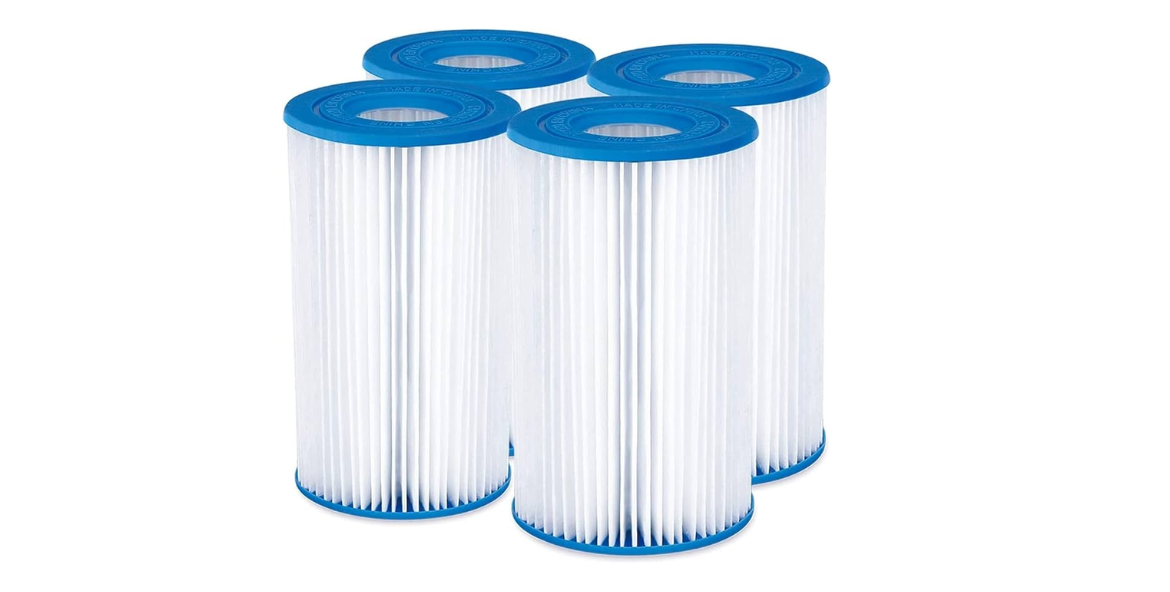
PP Pleated Filter Cartridge Manufacturer in India | Praimo Industrial Filters & Spares Manufacturing Company
When industrial buyers talk about PP pleated filter cartridge manufacturers in India, Praimo Industrial Filters & Spares Manufacturing Company often comes up first. Over the years, we’ve built a reputation for supplying high-efficiency, precision-engineered filtration solutions for both utility and critical process applications worldwide. These cartridges are designed not just for high dirt-holding capacity, but also for low differential pressure and consistent performance across demanding operating conditions.
In actual installations—whether in RO pre-filtration, pharma utilities, or paint recirculation loops—engineers value the stability these pleated polypropylene cartridges bring to the line. They’re used across water treatment, food & beverage, chemicals, coatings, and other sectors where reliable particulate removal is non-negotiable. OEMs and EPC contractors rely on them for skid integration, retrofit projects, and standardized consumable programs across multi-plant operations.
Each element is built using graded-porosity pleated polypropylene media, with thermal-bonded end caps to eliminate adhesive weak points. End connections are available in DOE or SOE 222/226 styles for secure seating under pressure. Micron ratings range from 0.2 µm to 50 µm (nominal and absolute), covering both polishing and pre-filtration roles. Standard lengths span 10″ to 40″, and seal options include EPDM, FKM/Viton®, Silicone, and PTFE-encapsulated O-rings, allowing compatibility with a wide chemical envelope. These cartridges handle forward differential pressures up to 3.5 bar (50 psi) at ambient conditions, with continuous operating temperatures up to 80–82 °C—a range that suits most industrial utility and process systems.
Key Specs at a Glance
- Micron Range: 0.2 µm – 50 µm
- Length Options: 5″ – 40″
- Pressure Rating: up to 3.5 bar (50 psi)
- Temperature: up to 82 °C continuous
- Efficiency: Nominal ≥ 85–95 %; Absolute ≥ 99–99.98 %
- Compliance: FDA 21 CFR 177.1520, EU 10/2011, NSF/ANSI (model-specific), USP Class VI (select)
Beyond product performance, Praimo’s strength lies in its manufacturing and documentation readiness. With in-house fabrication, EN 10204 3.1 material certificates, ISPM-15 export packaging, and support for ASME/PED/CE certified housings, the company services both domestic and international projects without delay or compromise.
And here’s something many procurement teams appreciate: whether you’re specifying cartridges for a multi-element skid, planning to upgrade RO pre-filters, or simply standardizing consumables across facilities, Praimo’s PP pleated cartridges deliver technical performance, regulatory compliance, and cost efficiency in a single, proven platform.
PP Pleated Filter Cartridge — Specifications, Micron Ratings, Flow & ΔP Curves
When evaluating PP pleated filter cartridges, engineers typically look first at micron ratings, flow capacity, and differential pressure characteristics. These elements determine not just how clean the filtrate will be, but also how efficiently the system runs over time. Praimo’s pleated polypropylene filter cartridges are designed for precise particulate retention and hydraulic stability, making them suitable for a broad range of industrial liquid systems—from utility water loops to critical RO pretreatment lines.
Available in 0.2 µm to 50 µm ratings (both nominal and absolute), these cartridges combine graded-porosity pleated media with optimized pleat geometry. The result is high effective surface area per element, which directly translates to low initial differential pressure and extended service life, even under fluctuating flow conditions that are common in plant environments.
Each element is built to standardized dimensions—outer diameter 66–70 mm, inner diameter 27–30 mm—so they drop directly into most cartridge filter housings without modification. Standard lengths are 10″, 20″, 30″, and 40″, covering both compact skid designs and high-throughput multi-element banks. In clean water at 20 °C, typical initial ΔP ranges between 0.07–0.13 bar, depending on the micron grade. Operators generally plan cartridge change-out at 1.5–2.0 bar, which maintains filtration efficiency while preventing media deformation.
Typical Operating Specifications — PP Pleated Filter Cartridges
| Parameter | Value / Range |
|---|---|
| Micron Ratings | 0.2, 0.45, 0.65, 1, 3, 5, 10, 20, 30, 50 µm (Nominal & Absolute) |
| Lengths | 5", 10", 20", 30", 40" |
| Outer Diameter (OD) | 66–70 mm (2.6–2.75") |
| Inner Diameter (ID) | 27–30 mm (1.06–1.18") |
| Flow per 10" (Clean, 20 °C) | 0.7–3.0 m³/hr (Depending on micron rating) |
| Initial ΔP @ Rated Flow | 0.07–0.13 bar (Clean water) |
| Change-out ΔP | 1.5–2.0 bar |
| Max Forward ΔP | 3.5 bar (50 psi) @ 20 °C |
| Operating Temperature | Up to 80–82 °C (Continuous) |
Clean Water Flow vs Initial ΔP (per 10″ Cartridge @ 20 °C)
| Micron Rating | Recommended Flow (m³/hr) | Initial ΔP (bar) |
|---|---|---|
| 0.5–1 µm | 0.7–1.2 | 0.10–0.13 |
| 3 µm (Absolute) | 1.2–1.8 | 0.09–0.12 |
| 5 µm (Nominal) | 1.2–1.8 | 0.07–0.10 |
| 10 µm (Nominal) | 1.8–2.5 | 0.08–0.11 |
| 20–50 µm | 2.3–3.0 | 0.07–0.10 |
In practice, actual flow capacity depends heavily on fluid viscosity, solids loading, and pleat density. For example, in process streams with viscosities between 5–10 cP, a 50–65 % flow derating is usually applied as a rule of thumb. Many operators rely on ΔP monitoring rather than fixed time intervals to determine change-out, as this approach yields more consistent lifecycle performance.
These cartridges are typically installed in single or multi-cartridge housings, enabling scalable flow rates from small utility skids to large RO pretreatment trains. It’s common in design reviews to oversize housings slightly to reduce face velocity, which helps maintain lower ΔP and extends run length—an often-overlooked detail that pays dividends in real-world operations.
Pleated Polypropylene Filter Cartridge (PP) — Construction, Media & End-Styles
The construction of PP pleated filter cartridges plays a much bigger role in real-world performance than many buyers realize. At Praimo Industrial Filters & Spares Manufacturing Company, every pleated polypropylene filter cartridge is built for mechanical strength, chemical compatibility, and dimensional precision, so it can withstand the pressures and flow variations commonly seen in industrial process lines.
Unlike cheaper glued or mixed-media alternatives, these cartridges use 100 % virgin polypropylene components, assembled through thermal bonding rather than adhesives. This eliminates extractables, ensuring compatibility with critical streams like RO feed water, beverage filtration, and pharma utility systems, where contamination control is non-negotiable.
Core Construction — Layer by Layer
| Component | Material / Feature | Function |
|---|---|---|
| Pleated Media | Multilayer graded-porosity polypropylene | High surface area and depth capture for low ΔP and long service life |
| Drainage Layers | Non-woven PP (upstream / downstream) | Stabilizes pleats and supports uniform flow |
| Core | Rigid star-perforated polypropylene | Prevents collapse at high differential pressure |
| Cage | Polypropylene, open area ≥ 40–50 % | Ensures low pressure drop and structural rigidity |
| End Caps | Polypropylene, thermally fused | Eliminates adhesives and improves cleanliness |
| Seals / O-Rings | EPDM, NBR, Silicone, Viton® / FKM, PTFE-encapsulated | Ensures chemical compatibility and leak-free installation |
In actual operation, this layered construction helps maintain pleat stability and uniform flow distribution, even during high differential pressure spikes. The rigid core prevents telescoping under load, while the open cage structure keeps ΔP low over the service life.
End-Style Configurations
Different industries use different housing standards, so end-style compatibility is critical for leak-free performance and easy maintenance. Praimo offers several configurations:
- DOE (Double Open End) — The standard for most industrial housings. Cartridges are held in place with a spring and knife edge.
- SOE 222/226 Flat or Spear — Preferred in sanitary and high-purity systems. These provide precise cartridge positioning and eliminate bypass under differential pressure.
- Threaded / BSP / NPT Options — Available for specialized housings and retrofit situations.
Engineering Insight:
In sanitary housings, using SOE 222 or 226 O-ring end styles significantly reduces bypass risk and ensures a reliable seal, even during ΔP fluctuations. It also simplifies change-outs, especially in systems with multiple cartridges.
Engineers often use the “initial ×3 or +50 Pa” rule to determine filter changeout intervals — a practical balance between dust-holding capacity, fan efficiency, and system stability. Pushing a panel filter beyond its rated final ΔP can increase blower load by up to 15–20 %, so periodic ΔP monitoring remains essential. In most AHUs, a simple Magnehelic gauge or digital ΔP sensor tied to the BMS (Building Management System) helps automate timely maintenance alerts.
At Praimo Industrial Filters & Spares Manufacturing Company, each panel air filter undergoes flow-rate and ΔP calibration tests before dispatch. QA data is logged under a traceable batch number and supplied with ISO 16890 labeling for global compliance. For critical or export projects, optional documentation such as EN 10204 3.1 material certificates and UL 900 fire-resistance ratings can be provided upon request — ensuring every filter meets both domestic and international engineering expectations.
Seal Material Selection
Choosing the right O-ring or gasket material can make or break system compatibility. Each material has a defined sweet spot:
- EPDM: Water and mild chemicals.
- Silicone: Broad temperature tolerance, commonly used in pharma utilities.
- Viton®/FKM: Hydrocarbons, solvents, and aggressive fluids.
- PTFE-encapsulated: For strong oxidizers and aggressive chemical environments.
In practice, mismatching seals to process chemistry often leads to premature bypass, O-ring swelling, or seal cracking—issues that can be avoided at the specification stage. Praimo’s modular end-style and seal combinations allow these PP pleated cartridges to fit seamlessly into both industrial and sanitary filtration systems, supporting a wide range of process conditions without compromise.
PP Pleated Filter — Nominal vs Absolute Efficiency (β-Ratios & Capture)
Understanding the difference between nominal and absolute efficiency is one of those small but decisive factors when specifying PP pleated filter cartridges for critical process streams. In practice, it often determines whether a filtration stage functions as a basic particulate guard or as a true, validated pre-membrane barrier. At Praimo Industrial Filters & Spares Manufacturing Company, the absolute pleated polypropylene filter range is engineered to provide repeatable, validated capture efficiencies, making it the right choice wherever downstream membrane protection, product quality, or regulatory compliance is non-negotiable.
Nominal vs Absolute Filtration — Key Definitions
| Term | Description | Typical Efficiency |
|---|---|---|
| Nominal | Indicates a cartridge’s ability to remove a certain percentage of particles (typically 85–95 %) at the stated micron size. Commonly used for utility lines, RO pre-filtration, and non-critical process fluids. | 85–95 % |
| Absolute | Determined by β-ratio testing (ISO 16889 / DFE). Defines the minimum particle size retained with ≥ 99.0–99.98 % efficiency. Required for validated and regulated applications such as pharma, beverage, and membrane pre-filtration. | ≥ 99.0 % up to 99.98 % |
Unlike marketing claims, absolute ratings are backed by β-ratio test data, not subjective “nominal” percentages. That’s why validation teams in pharma or food applications almost always ask for the β-ratio table before approving a pre-filter for service.
Typical β-Ratios & Efficiency for PP Pleated Cartridges
| Micron Rating | β-Ratio (ISO 16889) | Efficiency (%) |
|---|---|---|
| 10 µm (Nominal) | β10 ≥ 100 | ≥ 99.0 % |
| 5 µm (Absolute) | β5 ≥ 1000 | ≥ 99.9 % |
| 1 µm (Absolute) | β1 ≥ 5000 | ≥ 99.98 % |
For quick reference:
- βx = 100 corresponds to 99 % removal.
- βx = 1000 equals 99.9 % removal.
- βx = 5000 means 99.98 % removal.
In actual plant conditions, nominal cartridges are typically placed upstream as economical bulk particulate removers. They protect downstream equipment without driving up OPEX. Absolute cartridges, on the other hand, act as the critical cut-off stage before PES or PTFE membranes, ensuring consistent retention and regulatory traceability. This is particularly relevant in validated processes, where β-ratio data often forms part of the QA dossier.
Engineering Insight:
Nominal grades make sense for coarse load reduction and utility filtration, while absolute pleated cartridges are the right tool for pre-membrane protection and regulated applications. Selecting the right combination allows engineers to balance cost, filtration precision, and run length for each stage of the system.
In most well-designed trains, absolute PP pleated cartridges sit immediately upstream of sterilizing-grade PES/PTFE membranes. This configuration not only extends membrane life significantly but also ensures that the entire system meets ISO 16889-based performance requirements, giving QA teams the validated data they expect.
Flow Rates per Cartridge (10″/20″/30″/40″) — Water @ 20 °C and Viscosity Derates
Getting flow sizing right for PP pleated filter cartridges is more than just plugging numbers into a formula—it’s one of the most common points where system design either succeeds or runs into chronic ΔP issues later on. The flow capacity of a pleated polypropylene cartridge depends on three primary factors: micron rating, cartridge length, and fluid viscosity. Miss any of these, and you’ll likely undersize the housing or overshoot the pressure drop.
For reference, a standard 10″ PP pleated cartridge typically handles between 0.7 and 3.0 m³/hr of clean water at 20 °C, depending on the micron grade. Flow generally scales close to linearly with cartridge length—so a 40″ element delivers roughly four times the capacity of a 10″—but this doesn’t mean you can ignore header losses, manifold effects, or piping constraints. These real-world losses often knock 10–15 % off the idealized flow calculations.
Recommended Clean Water Flow Rates per Cartridge (20 °C)
| Micron Rating | 10" Cartridge | 20" Cartridge | 30" Cartridge | 40" Cartridge |
|---|---|---|---|---|
| 0.5–1 µm (Absolute) | 0.7–1.2 m³/hr | 1.4–2.4 m³/hr | 2.1–3.6 m³/hr | 2.8–4.8 m³/hr |
| 3 µm (Absolute) | 1.2–1.8 m³/hr | 2.4–3.6 m³/hr | 3.6–5.4 m³/hr | 4.8–7.2 m³/hr |
| 5 µm (Nominal) | 1.2–1.8 m³/hr | 2.4–3.6 m³/hr | 3.6–5.4 m³/hr | 4.8–7.2 m³/hr |
| 10 µm (Nominal) | 1.8–2.5 m³/hr | 3.6–5.0 m³/hr | 5.4–7.5 m³/hr | 7.2–10.0 m³/hr |
| 20–50 µm (Nominal) | 2.3–3.0 m³/hr | 4.6–6.0 m³/hr | 6.9–9.0 m³/hr | 9.2–12.0 m³/hr |
These values assume clean water at 20 °C with an initial ΔP of 0.07–0.13 bar. In real installations, especially with multi-cartridge housings, operators often observe slight variations because of uneven loading or manifold design. That’s why engineering calculations should always include a margin rather than using these figures at face value.
Typical Viscosity Derate Factors
| Viscosity (cP) | Derate Factor | Example (5 µm, 10") Effective Flow |
|---|---|---|
| 1 (Water) | 1.0 | 1.5 m³/hr |
| 2 | 0.8 | 1.2 m³/hr |
| 5 | 0.5 | 0.75 m³/hr |
| 10 | 0.35 | 0.5 m³/hr |
For viscous liquids—paints, oils, glycols—it’s common to see effective flow drop by 50–65 %, which can catch designers off guard if not derated correctly. Oversizing housings or increasing the cartridge count is often the only practical solution to maintain target flow without exceeding ΔP limits.
Design Tip for Engineers:
Use this simple rule early in the design stage:
Total System Flow ÷ Derated Per Cartridge Flow = Number of Cartridges Required
Always round up to the next even number to maintain balanced manifold loading and reduce turbulence.
For high-throughput applications, large-OD high-flow pleated cartridges are often a smarter choice. A single high-flow element can handle 5–10× the capacity of a standard 10″ cartridge, cutting down on housing count, piping complexity, and installation time. This is a strategy many EPC contractors now favor for skid compactness and lifecycle cost savings.
Operating Limits — Temperature, Differential Pressure & Change-Out ΔP
A PP pleated filter cartridge will only perform as intended if it’s operated within its temperature and differential pressure (ΔP) limits. In practice, exceeding these thresholds is one of the most common causes of media deformation, end-cap separation, or bypass—problems that usually show up downstream as sudden SDI spikes, reduced flow, or fouled membranes. This is particularly critical in RO pretreatment, beverage filtration, and chemical processing, where a single failure can compromise entire systems.
Key Operating Parameters — PP Pleated Filter Cartridges
| Parameter | Typical Value / Range | Notes |
|---|---|---|
| Maximum Forward ΔP | 3.5 bar (50 psi) @ 20 °C | Applies to clean water; reduce allowable ΔP at elevated temperatures |
| Recommended Change-Out ΔP | 1.5 – 2.0 bar | Replace before structural deformation or flow collapse occurs |
| Reverse ΔP | ≤ 0.3 – 0.5 bar | Backflow not recommended unless cartridge is specifically designed for backflush |
| Continuous Operating Temperature | 80 – 82 °C | Polypropylene softens above ~100 °C; long exposure accelerates creep |
| Short-Term Exposure | 90 – 95 °C (≤ 30 min, low ΔP) | Suitable for hot water sanitization in select applications |
| Thermal Shock Limit | ≤ 10 °C/min ΔT | Rapid temperature changes can stress thermal bonds and O-rings |
One overlooked detail is how temperature and pressure interact in real systems. Polypropylene’s mechanical strength drops as temperature rises, so the same cartridge that tolerates 3.5 bar at ambient may only handle 2.0–2.3 bar at 80 °C. Designers sometimes miss this derating, especially in hot utility or CIP loops, leading to telescoping or O-ring extrusion during startup surges.
Temperature & Pressure Interaction
A practical rule of thumb for derating:
- 20 °C → Max ΔP ≈ 3.5 bar
- 60 °C → Max ΔP ≈ 2.5–2.8 bar
- 80 °C → Max ΔP ≈ 2.0–2.3 bar
Caution: Never exceed the rated forward differential pressure. A sudden ΔP spike, particularly in viscous service, can crush pleats axially (telescoping) or push seals out of their grooves, resulting in immediate bypass. Once this happens, performance drops sharply—and usually without obvious visual clues until fouling appears downstream.
In actual plant setups, installing pressure gauges upstream and downstream of the filter housing is a simple but effective safeguard. Tracking real-time ΔP gives operators early warning before cartridges reach their change-out point. For critical utilities, duplex filter housings allow maintenance teams to switch flow between housings without shutting the line, minimizing the risk of unplanned downtime.
Operating within these defined limits ensures mechanical integrity, stable filtration efficiency, and longer service life for both the cartridges and the housings. It’s a straightforward discipline that pays off in reduced cartridge consumption and fewer process disruptions.
Materials & Chemical Compatibility — Seals, Solvents & Oxidizers
Specifying PP pleated filter cartridges for chemical or process fluid service is not just about picking the right micron rating. The chemical environment—including fluid composition, temperature, and concentration—directly affects both the polypropylene media and, more critically, the seal materials. In many premature failures, it’s not the filter media that gives out, but the O-rings or gaskets, leading to swelling, extrusion, or bypass under ΔP.
Praimo Industrial Filters & Spares Manufacturing Company manufactures all cartridges using 100 % virgin polypropylene for the pleated media, core, cage, and end caps, thermally bonded to avoid adhesives or extractables. Polypropylene as a base material offers excellent resistance to most dilute acids, alkalis, and aqueous systems, making it well-suited for industrial utility and many chemical applications. The real nuance comes in seal selection, which is where engineering judgment makes the difference.
Chemical Compatibility Matrix — Polypropylene Media & Common Seal Materials
| Fluid / Chemical Class | Polypropylene Media | EPDM Seals | Silicone Seals | FKM / Viton® Seals | PTFE-Encapsulated |
|---|---|---|---|---|---|
| Water / RO / DI | Excellent | Excellent | Excellent | Excellent | Excellent |
| Dilute Acids | Excellent | Excellent | Excellent | Excellent | Excellent |
| Dilute Alkalis | Excellent | Excellent | Excellent | Good | Excellent |
| Alcohols (EtOH / IPA) | Excellent | Good | Excellent | Excellent | Excellent |
| Aromatic Solvents | Good | Poor | Fair | Excellent | Excellent |
| Strong Oxidizers | Conditional | Poor | Fair | Fair | Excellent |
| Chlorinated Solvents | Not Recommended | Poor | Poor | Conditional | Conditional |
Legend:
🟢 Excellent = Long-term service expected
🟡 Good/Fair = Check concentration, temperature, and exposure duration
🟠 Conditional = Requires careful engineering controls (low ppm, temperature limits)
🔴 Poor = Not recommended for continuous use
EPDM vs Viton® — Choosing the Right Seal
- EPDM is ideal for water, dilute acids, and alkalis. However, it is unsuitable for hydrocarbons or aromatic solvents, where it can swell and extrude under pressure.
- Viton®/FKM offers superior resistance to aromatic solvents, oils, and hydrocarbons, making it a preferred choice in chemical processing lines.
- PTFE-encapsulated O-rings provide the broadest chemical resistance, especially against strong oxidizers such as sodium hypochlorite or peroxides, though they can be less elastic and require careful installation.
Engineering Insight: Many bypass issues in chemical service trace back to the wrong elastomer—not the cartridge. It’s good practice to standardize one compatible seal type across all housings and spares to prevent mismatched behavior during maintenance.
Key Engineering Considerations
- Temperature & Concentration Effects: Compatibility tables are usually based on ambient conditions. As temperature rises or chemical concentration increases—especially with oxidizers—materials may degrade much faster.
- Seal Swelling: Incompatible elastomers can absorb chemicals, swell, and extrude under ΔP, leading to bypass or leakage.
- Material Consistency: Using mixed seal types across a plant often leads to inconsistent performance during change-outs.
In high-purity or corrosive service—where stainless steel may not be ideal or cost-effective—pairing PP pleated cartridges with FRP or UPVC housings provides an excellent balance of chemical resistance and structural integrity. Many water treatment and chemical facilities adopt this approach to avoid corrosion issues while maintaining system reliability.
Types & Variants — High-Area Pleats, Absolute Grades, High-Flow Large-OD
Praimo Industrial Filters & Spares Manufacturing Company produces a full spectrum of PP pleated filter cartridge variants, each designed to address different operational priorities—whether that’s cost efficiency, filtration precision, or very high flow capacities. While the core materials remain the same (polypropylene media, cage, and end caps), the variations in pleat geometry, micron rating, and outer diameter have a major impact on hydraulic performance, dirt-holding capacity, and cartridge run length.
1. Standard & Economy Pleated Cartridges
These are the workhorses of utility and pre-filtration duties. Using nominal micron ratings (typically 1–50 µm) and standard pleat spacing, they offer a cost-effective solution for applications like cooling tower water, general plant utilities, and RO pre-filtration where absolute efficiency isn’t mandatory.
- Ideal for non-critical service
- Compatible with standard housings
- Lower capital cost per element
In practice, many facilities use these as the first stage of protection ahead of more specialized or absolute-rated cartridges.
2. High-Area Pleated Cartridges
These are engineered for high throughput environments. By increasing the pleated surface area to around 0.6–0.8 m² per 10″ element, these cartridges lower the initial ΔP by 15–30 % compared to standard versions. This extra surface area also translates to longer service intervals, fewer change-outs, and reduced OPEX—important advantages for continuous process lines, pharmaceutical utilities, and large RO skids.
Engineers often select these when aiming to maximize run length without upsizing housings.
3. Absolute-Rated Pleated Cartridges
For critical filtration points, absolute grades ranging from 0.2 to 10 µm provide validated β-ratios ≥ 1000–5000 and particle retention efficiencies of ≥ 99.9–99.98 %. These cartridges are typically installed immediately upstream of sterilizing-grade PES/PTFE membranes in pharma, beverage, and high-purity water systems, acting as the final particulate barrier before membranes.
Here, reliability and repeatability are more important than cost per piece.
4. High-Flow Large-OD Pleated Cartridges
Where high flows are required, large-OD cartridges (≈ 6–6.75″) can process 5–10× the flow of a standard 10″ cartridge—often 20–30 m³/hr per element, depending on micron rating and fluid viscosity. This makes them ideal for:
- RO/NF pretreatment in large plants
- Cooling tower make-up water
- Seawater or industrial utility skids
Engineering Insight: Replacing multiple 40″ standard cartridges with fewer high-flow elements can dramatically reduce the number of housings, piping complexity, and the overall skid footprint, without sacrificing flow capacity. This approach is common in large EPC projects where both CAPEX and maintenance access are critical factors.
Applications — RO Pretreatment, Beverage, Pharma Utilities, Paints/Coatings
PP pleated filter cartridges are deployed across a wide spectrum of industries where particle load reduction, stable differential pressure, and extended downstream equipment life are non-negotiable. Their flexibility stems from the combination of precisely controlled micron ratings and high surface area pleated media, which allows engineers to tailor configurations for everything from basic utility filtration to high-purity pharmaceutical and continuous-duty industrial processes.
RO / UF / NF Pretreatment
In reverse osmosis, ultrafiltration, and nanofiltration systems, PP pleated cartridges are typically installed as the final filtration stage before the membrane rack. This position is critical: they act as a barrier to colloids and fine suspended solids, preventing premature fouling and reducing cleaning frequency.
Typical engineering parameters:
- Grade: 5 µm nominal or 1 µm absolute
- Flow: 1.5 – 7 m³/hr per element (depending on length and micron)
- SDI Reduction: 25 – 40 % from feed to post-cartridge
- Impact: RO CIP interval extension by 20 – 35 %, fewer membrane replacements
In large municipal, industrial, or desalination skids, this can translate to significant OPEX savings and fewer unscheduled shutdowns. Engineers often select pleated polypropylene elements over melt-blown when longer run times and lower ΔP are required.
Beverage Clarification & Final Prefiltration
In beverage production, 1–3 µm absolute pleated polypropylene filter cartridges are frequently used as polishing stages ahead of PES or PTFE membranes. They stabilize turbidity and ensure consistent product clarity:
- Applications: Juice, beer, wine, bottled water, carbonated soft drinks
- Output Quality: Filtrate NTU < 1 before final membrane
- Compliance: FDA & EU food-contact, USP Class VI (select models)
By controlling upstream solids, these cartridges extend sterilizing membrane life and lower filtration cost per litre processed—something beverage OEMs pay close attention to.
Pharma & Utility Water Systems
For pharmaceutical utilities, 0.45–1 µm absolute pleated filters are commonly installed either as pre-membrane stages or point-of-use protection. Their thermal-bonded polypropylene structure ensures low extractables, making them compatible with WFI, PW, and clean steam condensate. In validated systems, this stage plays a key role in bioburden control before final sterilizing filters.
Paints, Coatings & Process Liquids
For viscous service—such as water-based paints and coating lines—10–20 µm nominal pleated cartridges strike the right balance between flow and filtration efficiency. Typical operating viscosity ranges from 5–10 cP, with derated flow capacity of 35–50 % compared to clean water. When properly sized, these filters help:
- Stabilize ΔP over extended runs
- Cut defect rates in automotive recirculation systems by 10–15 %
- Protect spray nozzles and downstream equipment from fine agglomerates
Engineering Insight: In high-solids or viscous applications, combining correct micron selection with upstream basket or Y-strainers can significantly extend cartridge life and maintain stable hydraulic performance over time.
Case Studies — Efficiency Gains, CIP Interval Extension & Cost Savings
Real-world performance data demonstrates the tangible value of using PP pleated filter cartridges in critical filtration stages. Below are representative case studies showing efficiency gains, membrane protection, and operational savings achieved by industrial plants through optimized cartridge selection and system integration.
Case 1: RO Pre-Filtration Upgrade — Bottled Water Plant (India)
A major bottled water facility replaced conventional depth filters with 5 µm nominal PP pleated cartridges upstream of their RO skid.
- Flow per housing: 114 m³/hr (19 × 40″ cartridges)
- Feed SDI: 6.2 → Post-cartridge SDI: 3.4 (45 % reduction)
- Change-out ΔP: 1.6 bar
- Result: RO CIP interval extended from 22 to 31 days (+41 %) and chemical cleaning costs reduced by 18 % annually.
The plant also recorded a 15 % reduction in energy consumption by maintaining stable membrane flux over longer periods.
Case 2: Beverage Filtration Line — EU Region
A beverage producer integrated 1 µm absolute PP pleated cartridges as prefilters ahead of final PES membranes.
- Feed turbidity: 50–120 NTU (seasonal)
- Post-filtration turbidity: consistently < 1 NTU
- Outcome: Final membrane life extended by 20 %, and integrity test failure incidents dropped by 30 %, reducing both consumable and validation costs.
This setup also simplified their QA documentation, leveraging the cartridges’ FDA 21 CFR 177.1520 and EU 10/2011 material compliance.
Case 3: Automotive Paint Booth Recirculation — MENA
In a paint shop recirculation loop, the plant switched from melt-blown depth elements to 10 µm high-area PP pleated cartridges.
- Fluid viscosity: 6–8 cP
- Initial ΔP: dropped by 28 % at same flow
- Filter life: increased by 32 %
- Defect rate: reduced by 12 % on painted panels
Key Takeaway: Strategic deployment of pleated cartridges—particularly absolute grades for RO and beverage, and high-area pleats for viscous liquids—delivers measurable OPEX savings, longer membrane life, and improved product quality.
PP Pleated Filter vs Melt-Blown vs String-Wound — Performance & OPEX
When choosing between PP pleated filter cartridges, melt-blown depth filters, and string-wound elements, engineers and procurement teams need to weigh not just unit price, but also hydraulic performance, filtration efficiency, and total lifecycle cost. While melt-blown and string-wound filters remain common for bulk or coarse pre-filtration, pleated cartridges often outperform them in ΔP stability, run length, and overall OPEX—especially in continuous-duty or high-purity systems.
Comparative Performance Matrix — Typical Industrial Conditions (Water @ 20 °C)
| Parameter | PP Pleated | Melt-Blown Depth | String-Wound |
|---|---|---|---|
| Initial ΔP (5 µm) | 0.07 – 0.10 bar | 0.15 – 0.20 bar | 0.20 – 0.25 bar |
| Filtration Efficiency (β5) | ≥ 1000 (99.9 %) | 100 – 200 (90 – 99 %) | 50 – 100 (85 – 95 %) |
| Dirt-Holding Capacity (per 10") | 80 – 150 g | 60 – 100 g | 40 – 70 g |
| Typical Run Length | Long (weeks) | Moderate | Shorter (frequent change-outs) |
| Chemical Compatibility | Excellent (PP) | Excellent (PP) | Good (cotton / poly blends) |
| Reusability / Flushability | Limited (some forward flush) | None | Limited (depends on media) |
| Cost per 1,000 m³ Treated | Lowest overall (OPEX) | Moderate | Higher (labor / volume) |
Key Takeaways for System Design
- Lower ΔP = Energy Savings: Pleated cartridges start with significantly lower pressure drops. Over time, this translates into measurable pump energy savings and more stable flow in RO pretreatment, utility loops, and high-volume processes.
- Higher Efficiency = Cleaner Downstream: Absolute-rated pleated polypropylene filters routinely achieve β-ratios ≥ 1000, ensuring finer and more consistent particulate removal than melt-blown or wound filters.
- Longer Service Life: Their larger effective surface area allows for 25 – 60 % longer run lengths compared to melt-blown or wound filters in equivalent duty. This reduces both cartridge consumption and change-out frequency.
- OPEX Advantage: While the unit price of pleated cartridges can be marginally higher, the total cost per 1,000 m³ treated is usually lower due to reduced labor, fewer change-outs, and stabilized system performance.
Engineering Insight: Melt-blown depth filters still play a valuable role for slug loads or coarse pre-filtration, and string-wound filters can suit low-flow, budget-sensitive applications. However, when the objective is high throughput, process reliability, or membrane protection, pleated cartridges consistently deliver the best performance-to-cost ratio.
Sizing Guide — How Many Cartridges for Your Flow & Micron?
Getting the cartridge count right isn’t just a sizing exercise—it’s one of the most critical steps in achieving predictable differential pressure, stable hydraulic behavior, and cost-effective filter operation over the life of the system. An undersized array of PP pleated filter cartridges can blind rapidly, generate unplanned ΔP spikes, and force early change-outs. Oversizing, on the other hand, ties up unnecessary capital in housings and elements. The balance lies in applying practical sizing rules with realistic derating and safety margins.
Quick Sizing Rules for Design Engineers
- Determine System Flow (Q): Establish the total flow rate in m³/hr.
- Select Micron Rating: Base this on the process stage (e.g., 5 µm nominal for RO prefiltration).
- Obtain Flow per Cartridge: Use clean water flow tables at 20 °C for the chosen micron rating and cartridge length.
- Apply Viscosity Derate: Adjust flow for actual process fluid viscosity (e.g., ×0.5 for 5 cP).
- Add Safety Factor (10–20 %): Compensate for fouling and variability in real operating conditions.
- Round Up to Nearest Even Number: This ensures balanced distribution across manifolded housings.
Example — RO Skid (5 µm Nominal, 40″ Cartridges)
| Parameter | Value |
|---|---|
| Total Flow Required | 114 m³/hr |
| Cartridge Length | 40" |
| Clean Water Flow per Cartridge | 6.0 m³/hr (Approx., 5 µm nominal) |
| Required No. of Cartridges | 114 ÷ 6.0 ≈ 19 elements |
| Configuration | 19 × 40" cartridges in a single housing |
This setup maintains an initial ΔP of roughly 0.1 bar, which provides sufficient headroom before reaching the 1.5–2.0 bar change-out pressure, extending service intervals and stabilizing downstream operations.
Engineering Considerations
- Micron Rating Impact: Finer cartridges (0.5–1 µm) reduce flow per element, while coarse grades (20–50 µm) can handle higher capacities.
- Fluid Viscosity: High-viscosity fluids like paints or glycols need significant derating—often a 35–65 % reduction in per-cartridge flow.
- Upstream Protection: Installing basket strainers or Y-strainers (100–200 µm) upstream helps trap large particulates and delays fouling.
- Rule of Thumb: For 5 µm nominal PP pleated cartridges, one 40″ element ≈ 6 m³/hr of clean water at 20 °C under typical design conditions.
Sizing correctly upfront prevents operational headaches later—particularly in RO, cooling water, or high-throughput utility systems where ΔP stability and predictable maintenance cycles are critical.
PP Pleated Filter Cartridge 5 Micron — Sweet-Spot for RO & Utility Water
Across industrial water treatment systems, the 5 µm nominal PP pleated filter cartridge has emerged as the de facto standard for RO prefiltration and utility water polishing. It consistently delivers the right balance between filtration efficiency, initial differential pressure, and cartridge life, making it a practical, cost-effective choice for large process flows. Engineers rely on this “sweet spot” because it removes the bulk of suspended solids without penalizing the system with unnecessary ΔP.
Why 5 µm is the Standard Choice
| Parameter | 5 µm Nominal PP Pleated Cartridge (40") |
|---|---|
| Initial ΔP @ 20 °C | ~0.07 – 0.10 bar |
| Recommended Flow per Cartridge | ~6.0 m³/hr |
| Change-Out ΔP | 1.5 – 2.0 bar |
| Efficiency | 90 – 95 % (β10 ≥ 100) |
| Typical Run Length | 4 – 8 weeks (depending on solids load) |
Key Advantages
- Effective Particle Removal: Handles sand, silt, rust, suspended solids, and biological debris effectively, preventing fouling downstream.
- SDI Control: Keeps Silt Density Index within RO membrane manufacturer limits, reducing cleaning frequency and membrane stress.
- Low Initial ΔP: Starts clean at 0.07–0.10 bar, maintaining stable flow through RO trains without requiring oversized pumps.
- Lifecycle Economics: Fewer change-outs and predictable performance keep cost per 1,000 m³ treated low—particularly in high-flow RO systems.
RO & Utility Water Applications
- RO Pretreatment: EPCs and OEMs routinely standardize on 5 µm nominal upstream of membranes. Typical SDI improvement is 25–40 %, with CIP intervals extended by 20–35 %, improving membrane uptime and reducing chemical use.
- Cooling & Utility Systems: Removes silt, rust, and suspended particulates that can damage nozzles, heat exchangers, and downstream media beds.
- Desalination Plants: Functions as a final polishing stage after multimedia filtration, ensuring SDI < 5 before membranes—critical for consistent permeate quality.
Engineering Insight: At this micron rating, the cartridge provides enough capture to stabilize membrane performance without inducing unnecessary ΔP. In large RO trains, this balance drives significant OPEX savings and operational stability.
0.2–1.0 Micron Absolute PP Pleats — Pre-Membrane Protection
In validated filtration trains—especially in pharmaceutical utilities, beverage production, and high-purity water systems—the 0.2–1.0 µm absolute PP pleated filter cartridge serves a distinct, often overlooked role. Installed immediately upstream of PES or PTFE sterilizing-grade membranes, these cartridges act as pre-membrane barriers, removing fine particulates and colloidal matter so that final filters focus purely on microbial retention. This staged strategy enhances system reliability, lowers ΔP across critical membranes, and ensures validation tests pass consistently.
Role in Pre-Filtration Stacks
| Parameter | Absolute PP Pleated (0.2–1.0 µm) |
|---|---|
| Micron Ratings | 0.2, 0.45, 0.65, 1.0 µm (Absolute) |
| Efficiency (β-Ratio) | β ≥ 5000 (≥ 99.98 % removal) |
| Typical Position | Upstream of PES / PTFE final membranes |
| Applications | Pharma utilities, beverage, high-purity water, bioburden reduction |
| Integrity Test | Pass-through compatible (bubble point / diffusion) |
These absolute-rated pleated polypropylene filters are manufactured with high surface area pleated media, which allows for high flow at low differential pressure, even at submicron cut points. By intercepting colloids and fine particulates, they relieve the downstream sterilizing membrane from particulate loading, leading to longer service life and more stable pressure profiles.
Typical Use Case — Pharmaceutical & Beverage Filtration Trains
- Prefilter (0.45–1 µm absolute): Removes colloids and fine particles, stabilizing ΔP across the system.
- Final Filter (0.2 µm PES/PTFE): Acts as the sterilizing-grade membrane, validated through bubble point and bacterial challenge testing.
- Result: Final filter life extended by 20–30 %, better integrity test pass rates, and lower filtration cost per batch.
QA Insight: Cartridges in this submicron range are typically validated using ISO 16889 β-ratio testing, and they’re compatible with bubble point and forward flow integrity tests, ensuring they don’t interfere with downstream qualification protocols. This makes them indispensable for regulated processes that require predictable, validated filtration performance.
Regulatory & Compliance — FDA/EU Materials, NSF/USP (Model-Specific), ISO 9001
Every PP pleated filter cartridge produced by Praimo Industrial Filters & Spares Manufacturing Company is designed and manufactured to meet globally recognized regulatory, quality, and material compliance standards. This ensures suitability not only for domestic installations but also for export-oriented EPC projects, where documentation and regulatory alignment are often decisive factors during technical submittals and audits.
Material Compliance
| Regulation / Standard | Applicability | Details |
|---|---|---|
| FDA 21 CFR 177.1520 | All PP media, core, end caps | Materials comply with U.S. FDA food-contact requirements |
| EU 10/2011 (Plastic Reg.) | All wetted PP components | Migration testing performed on select models |
| NSF / ANSI 61 | Model-specific | Available on request for potable water and utility applications |
| USP Class VI | Model-specific | Validated for pharmaceutical and biopharma utilities |
| ISO 9001:2015 | Manufacturing facility | QMS ensures traceability, batch consistency, and continual improvement |
These standards underpin the material integrity and process validation of Praimo’s cartridges across diverse regulated environments—ranging from pharma clean utilities and food & beverage processing lines to municipal potable water systems. Select SKUs undergo NSF/ANSI 61 testing for potable water applications, while others are USP Class VI validated for use in biopharmaceutical environments, ensuring compliance during regulatory inspections.
Housing & System Compliance
While cartridges address material and product performance standards, the housings and filtration skids they are installed in must comply with pressure equipment regulations relevant to the project geography:
- ASME for U.S. and global projects requiring code-stamped vessels
- PED (SEP / Module A/B) for the European market
- CE Declaration of Conformity for pressure equipment in EU supply chains
Praimo provides complete documentation packages, including EN 10204 3.1 Material Test Certificates, CE Declarations, and where required, PED compliance. This alignment between cartridge and housing standards ensures seamless acceptance by EPC contractors, regulatory bodies, and end-user QA departments.
Compliance Insight: For export projects, matching FDA/EU/NSF/USP declarations on cartridges with ASME/PED/CE compliance on housings streamlines technical submittals, accelerates approvals, and reduces documentation revisions—a critical advantage in tightly scheduled EPC execution.
HS Code & Documentation — Pleated Cartridge Imports/Exports (Guidance)
For international procurement, EPC contracts, and cross-border supply chains, getting the HS classification and documentation right for PP pleated filter cartridges is just as critical as the technical specifications. Errors in tariff codes or incomplete paperwork can cause customs delays, reclassification disputes, or compliance gaps that slow down project schedules.
Praimo Industrial Filters & Spares Manufacturing Company provides end-to-end support for both domestic supply and global export, ensuring that every shipment aligns with harmonized trade requirements and regulatory expectations.
Common HS/HSN Classification — Pleated Filter Cartridges
| Description | HS / HSN Code | Reference / Notes |
|---|---|---|
| Pleated Filter Cartridges | 84212900 | Covers filtering or purifying machinery and apparatus for liquids |
| Filter Housings (Pressure Vessels) | 84212100 / 84212900 | Depends on configuration and end use |
| Spare Parts & Sealing Kits | 8421.99 | Ancillary components such as O-rings, gaskets, adaptors |
Note: Tariff classification can vary slightly by jurisdiction. It’s good practice to verify with local customs authorities or a licensed CHA (Customs House Agent) to confirm project-specific interpretations—especially for multi-country EPC deliveries.
Standard Export & Quality Documentation Package
| Document | Purpose |
|---|---|
| Commercial Invoice & Packing List | Customs clearance and logistics processing |
| HS / HSN Code Declaration | Tariff classification for import and export |
| EN 10204 3.1 Material Test Certificate (MTC) | Material traceability for wetted parts |
| Certificate of Conformity (CoC) | Regulatory compliance or buyer-specific requirement |
| FDA / EU Declaration of Conformity | Material compliance documentation for food & pharma use |
| PED / CE Declaration (where applicable) | For pressure-rated filter housings |
| ISPM-15 Packaging Certification | Required for international wooden crates and pallets |
All export consignments from Praimo are ISPM-15 certified for packaging, ensuring compliance with international phytosanitary regulations. Documentation is structured to match EPC procurement checklists, minimizing hold-ups during both technical submittal reviews and customs clearance.
Export Insight: Consistent use of HS code 84212900 for pleated cartridges, combined with a clear 3.1 MTC, CoC, and DoC set, significantly reduces reclassification risks at destination ports. This clarity can shave days off clearance times—a crucial advantage when working with tight project timelines or bonded warehouse schedules.
Lifecycle Cost & ROI — Change-Out ΔP, Labor, Waste & Downtime
When comparing filtration strategies, focusing solely on cartridge unit price can be misleading. A more accurate financial picture emerges when looking at lifecycle cost (LCC)—factoring in ΔP stability, change-out frequency, labor requirements, and waste disposal volumes. In many industrial RO and utility water applications, PP pleated filter cartridges, particularly high-area pleated variants, have demonstrated 11–15 % lower annual operating costs than traditional depth or wound filters. This advantage comes from their ability to maintain low differential pressure for longer periods, thereby extending service life and reducing maintenance touches.
Lifecycle Cost Model — Typical Industrial RO/Utility Application
| Parameter | Standard Pleated | High-Area Pleated |
|---|---|---|
| No. of 40" Cartridges | 100 | 100 |
| Change-Out Frequency | Every 4–6 weeks | Every 6–8 weeks |
| Change-Out ΔP | 1.5–2.0 bar | 1.8–2.0 bar |
| Cartridge Replacements / Year | 8–10 cycles | 5–7 cycles |
| Labor Touches / Year | 8–10 | 5–7 |
| Waste Volume (kg / year) | Higher (more spent cartridges) | Lower (fewer change-outs) |
| Estimated Cost per 1,000 m³ | Baseline | 11–15 % lower |
ROI Levers
- Extended Run Lengths: High-area pleated cartridges handle greater dirt loads before hitting terminal ΔP, directly reducing cartridge consumption.
- Lower Labor Costs: With fewer change-outs per year, maintenance teams spend less time on filter handling—an important factor in multi-housing skid systems where change-outs are labor-intensive.
- Reduced Downtime: Longer service intervals translate into higher system availability, which is especially valuable in continuous-duty operations such as desalination, power plant utilities, or pharma water loops.
- Waste Reduction: Fewer spent cartridges reduce both solid waste disposal costs and environmental footprint—an increasingly important consideration in sustainability audits.
Practical Example
Consider a 100-cartridge RO skid running continuously. Switching from standard pleated to high-area pleated cartridges reduced annual replacements from 920 units to approximately 620, accounting for fewer consumables, reduced maintenance labor, and less downtime. The total cost reduction was ~14 % per year, without changing housings or flow capacity.
For plants where uptime is critical, pairing high-area pleated cartridges with duplex filter systems takes the model a step further. This configuration enables on-the-fly change-outs—keeping production online while cartridges are swapped—amplifying the ROI through operational flexibility.
Maintenance & Troubleshooting — Faster Change-Outs, Common Issues, Fixes
Keeping PP pleated filter cartridges performing consistently over their service life depends as much on maintenance discipline as on cartridge selection. Regular ΔP monitoring, proper change-out timing, and attention to seal integrity can significantly extend service intervals, reduce unplanned downtime, and ensure filtration performance remains within design parameters.
Key Maintenance Guidelines
- Monitor ΔP Regularly: Install upstream and downstream pressure gauges to track real-time differential pressure. Replace cartridges when ΔP reaches 1.5–2.0 bar, well before structural deformation or flow collapse occurs.
- Use Correct Tools: Quick-opening closures, proper lifting gear, and torque tools for multi-cartridge housings help reduce change-out times and improve safety—especially on large skid systems.
- Standardize O-Rings and End Styles: Keeping sealing components consistent across housings avoids mismatches during maintenance and simplifies spares inventory.
Common Issues and Engineering Remedies
| Issue | Symptoms / Causes | Remedies |
|---|---|---|
| Rapid Blinding | Premature ΔP rise, shortened service life | Check upstream strainers (100–200 µm); verify micron selection; pre-flush new cartridges before service |
| Bypass (O-Ring Damage) | Contaminants downstream despite ΔP rise | Inspect and replace O-rings; confirm correct end-cap fit (DOE vs 222 / 226); apply proper lubrication |
| Cartridge Collapse | Media buckling or telescoping under ΔP | Ensure ΔP ≤ 3.5 bar; investigate sudden pressure surges |
| Inconsistent Sealing | Variable ΔP readings, leaks, uneven fouling | Standardize end styles; align housings correctly; verify proper torquing |
| Incorrect Installation | Off-center seating, misalignment in baskets | Use cartridge guides; confirm correct seating during insertion |
Cleaning & Replacement
PP pleated cartridges are generally single-use, but in low-fouling service, light forward flushing with clean water can sometimes recover 10–25 % of pressure drop, extending life modestly.
- Never backwash unless the cartridge is specifically designed for reverse flow.
- Fully depressurize housings before opening to avoid safety hazards.
- Dispose of spent cartridges according to site waste protocols and local regulations.
Engineering Tip: Repeated premature blinding often indicates insufficient upstream solids control. Adding or correctly sizing basket strainers or coarse pre-filters ahead of the pleated stage can dramatically increase service intervals and stabilize ΔP trends—often at a fraction of the cartridge cost.
Cleaning & Flush Protocols — When (and When Not) to Reuse
Although PP pleated filter cartridges are typically specified as single-use elements, there are scenarios—usually involving low solids loading or specific high-area cartridge designs—where forward flushing can partially restore flow capacity and extend service life between scheduled replacements. Knowing when flushing is effective and when it becomes counterproductive is critical to avoid damaging the media, compromising seals, or introducing downstream contamination.
When Flushing Can Be Effective
- Forward Flush Only: Always flush in the normal flow direction, using clean water. Reverse flushing can damage the pleat structure or separate thermally bonded end caps.
- Recovery Range: Under ideal conditions, 10–25 % of original flow capacity can often be recovered on high-area pleated cartridges.
- Applicable Situations: Utility water, lightly loaded service, or interim flushing between planned change-outs.
- Temperature & Flow: Keep flush water at ambient temperature and below 1 bar ΔP to avoid stressing the pleats during cleaning.
This approach is especially practical in utility skids or auxiliary loops where filtration duty is moderate and full cartridge replacement can be scheduled less frequently.
When Flushing Is Not Recommended
| Situation | Reason |
|---|---|
| Heavy Fouling / Biological Growth | High risk of biofilm retention and downstream contamination |
| High Viscosity or Solvent Fouling | Plugging is usually irreversible—flushing rarely restores flow |
| Backward Flushing | Can damage pleats, separate end caps, or compromise β-ratio performance |
| Aggressive Chemicals on Standard Seals | May cause O-ring swelling, cracking, or degradation of polypropylene media |
Alkaline / Acid Rinse Considerations
- Mild alkaline rinses (pH 8–10) are generally acceptable for cartridges with EPDM or silicone seals, provided they are followed by a thorough neutral water flush.
- Avoid strong acids, oxidizers, or solvents unless both cartridge and seal materials are rated for such exposure.
- Always cross-check chemical compatibility tables before introducing cleaning agents to prevent premature seal failure.
- After cleaning, verify cartridge integrity using flow checks or ΔP measurements to confirm that no structural compromise has occurred.
Engineering Note: Overzealous cleaning or inappropriate chemical rinsing often shortens cartridge life more than it extends it. If you find yourself cleaning frequently, it’s usually more cost-effective to switch to cleanable pleated cartridge SKUs or high-area variants that offer naturally longer service intervals, rather than forcing reuse cycles on standard elements.
System Integration — Single, Multi-Cartridge, Duplex, Vertical/Horizontal
A well-designed system integration strategy is essential to unlock the full performance potential of PP pleated filter cartridges. The right housing configuration impacts everything from flow stability and ΔP control to maintenance efficiency and footprint optimization.
Praimo Industrial Filters & Spares Manufacturing Company supports a wide range of integration formats—including single, multi-cartridge, and duplex systems—available in both vertical and horizontal orientations to match diverse process layouts and operational priorities.
Single Cartridge Systems
- Ideal for: Pilot plants, low-flow polishing, or point-of-use filtration.
- Typical Sizes: 10″–40″ cartridges, DOE or SOE 222/226 end connections.
- Advantages: Low capital cost, simple installation, minimal maintenance requirements.
- Applications: Lab utilities, sampling points, polishing stages in small RO or UF systems.
Single housings are commonly installed in utility loops or auxiliary systems where flexibility and quick change-outs are more important than large flow capacity.
Multi-Cartridge Systems
- Ideal for: High-flow industrial and utility processes.
- Typical Configurations: 3 to 150+ cartridges per housing; vertical or horizontal layout.
- Advantages: Scalable capacity, standardized cartridge dimensions, compact footprints for high flow rates.
- Applications: RO pretreatment trains, beverage processing, large plant utility filtration.
These systems form the backbone of most RO and utility skids, allowing engineers to fine-tune flow and ΔP characteristics through cartridge count and micron selection, while keeping maintenance cycles predictable.
Duplex Filtration Systems
- Ideal for: Continuous-duty operations where downtime is unacceptable.
- Design: Two housings installed in parallel, connected via a changeover valve manifold.
- Advantages: One housing remains online while the other undergoes cartridge replacement, ensuring uninterrupted flow.
- Applications: 24/7 manufacturing lines, cooling water circuits, critical utility loops.
Duplex systems are particularly valuable in EPC-designed utilities and process-critical lines, allowing operators to maintain filtration performance without shutting down production.
Vertical vs Horizontal Orientation
| Orientation | Advantages | Considerations |
|---|---|---|
| Vertical | Space-efficient, easy drainage, common in smaller systems | Requires sufficient headroom for cartridge removal |
| Horizontal | Suited for high cartridge counts, low headroom spaces | Larger footprint; ideal for skid-mounted, modular layouts |
Engineering Tip: For system capacities exceeding 100 m³/hr, horizontal multi-cartridge housings or large-OD high-flow pleated elements can significantly reduce the total number of housings required. This simplifies piping design, shortens change-out times, and minimizes overall skid complexity.
Upstream Protection — Basket/Y-Strainers & Coagulation for Longer Run-Time
One of the simplest and most cost-effective ways to extend the service life of PP pleated filter cartridges is to add a coarse strainer stage upstream. By intercepting large solids—sand, rust flakes, scale, or other particulates—basket or Y-type strainers help stabilize differential pressure and reduce premature cartridge blinding. This improves not only cartridge longevity but also system predictability and maintenance planning.
Why Upstream Protection Matters
- Solids Interception: Coarse particulates can rapidly blind pleated media. A 100–200 µm basket or Y-strainer, properly sized for system flow, traps these larger particles before they hit the finer pleated layers.
- ΔP Stabilization: With solids removed upstream, cartridges maintain low, stable differential pressure for longer, ensuring predictable change-out intervals.
- Lifecycle Extension: In RO and utility systems, installing strainers upstream typically extends cartridge life by 25–40 %, translating to fewer change-outs, reduced labor, and lower overall consumable costs.
Design & Selection Guidelines
| Parameter | Recommended Value / Range |
|---|---|
| Mesh Opening | 100–200 µm for general pre-protection |
| Material | SS304 / SS316, UPVC, or FRP (depending on fluid compatibility) |
| Installation | Upstream of cartridge housings; accessible for periodic cleaning |
| Maintenance | Manual or auto-cleaning based on solids loading |
Strainers should be positioned in a cleaning-accessible location, with blow-down or removable baskets for easy maintenance. For high-solids applications, consider auto-cleaning strainers to reduce manual intervention.
Optional Coagulation / Flocculation
In high-turbidity surface waters, adding a coagulation or flocculation stage upstream of strainers can significantly improve removal efficiency. By aggregating fine colloids into larger particles, these treatments allow strainers to capture more effectively, which in turn extends pleated cartridge service life downstream.
Engineering Insight: A two-stage prefiltration train—coarse strainer followed by pleated cartridges—creates a stable hydraulic environment. This setup dramatically lowers the cost per 1,000 m³ treated, compared to relying on pleated cartridges alone for both coarse and fine particulate removal. It’s a small design decision with a substantial impact on OPEX and maintenance cycles.
PP Pleated Filter Cartridge Price — What Drives Cost & Total Ownership
When procurement teams evaluate PP pleated filter cartridge price, it’s not enough to look at the unit price alone. Real-world costs depend on a mix of engineering specifications, documentation requirements, and operating life. For large RO systems or continuous industrial utilities, calculating cost per 1,000 m³ treated gives a far more accurate picture of total ownership than upfront price tags.
Key Price Drivers
| Factor | Description | Cost Impact |
|---|---|---|
| Pleated Media Area | High-area pleats provide larger surface area, resulting in lower ΔP and longer service life. | Higher initial cost, but lower lifecycle cost |
| Micron Rating & Grade | Absolute-rated cartridges (0.2–1 µm) with validated β-ratios are more expensive than nominal grades (5–50 µm). | Moderate to high |
| End Style & Seals | SOE 222 / 226 with Viton® or PTFE-encapsulated seals cost more than DOE with EPDM. | Moderate |
| Length / Format | 40" cartridges cost more than 10" units but deliver ~4× flow capacity, reducing cost per m³ treated. | Economical on a flow basis |
| Documentation & Compliance | FDA / EU declarations, NSF, USP Class VI, and EN 10204 3.1 MTCs for regulated applications add to documentation cost. | Moderate |
| Quantity & Procurement Terms | Larger order volumes or long-term supply contracts often result in lower per-unit pricing. | Lower overall cost |
Lifecycle Cost Perspective
Standard 5 µm nominal PP pleated cartridges usually sit in the moderate unit cost range. However, because they handle higher flow rates and last longer between change-outs, they frequently achieve 11–15 % lower total cost per 1,000 m³ treated compared to depth or wound filters.
Submicron absolute-rated pleats cost more initially but play a critical role in QA and membrane protection, making them indispensable in pharmaceutical, beverage, and high-purity applications. Their ability to maintain validated β-ratios over long service cycles often offsets their higher price.
Typical Price Influences (Indicative)
- 10″ nominal DOE PP pleated cartridges: Lower price range, best for utility and general prefiltration.
- 40″ high-area, 0.2 µm absolute with 226/PTFE seals: Higher price range, typically for regulated industries where documentation and β-ratio validation are required.
- High-flow large-OD cartridges: Higher per-element price, but they reduce the number of housings and piping, leading to significant savings on system CAPEX and OPEX.
Procurement Insight: In large RO trains or utility networks, evaluating pleated filter costs on a per 1,000 m³ treated basis creates a fair comparison between different micron ratings, pleat formats, or vendors. It accounts for run length, labor, downtime, and consumable frequency—factors that often outweigh the initial price difference.
Industry-Specific Notes — Pharma, F&B, Power, Chemicals, Automotive
PP pleated filter cartridges are used across multiple industries, but each sector comes with its own regulatory frameworks, fluid properties, and operational demands. Praimo Industrial Filters & Spares Manufacturing Company manufactures cartridges and housings engineered to address these specific vertical needs—ensuring regulatory compliance, process compatibility, and reliable long-term performance in both domestic installations and export projects.
Pharmaceutical & Biopharma Utilities
- Typical Grades: 0.2–1.0 µm absolute, SOE 222/226 end connections with silicone or PTFE-encapsulated O-rings.
- Applications: Pre-membrane filtration, PW/WFI polishing, buffer filtration, bioburden reduction.
- Validation & Compliance: FDA 21 CFR 177.1520, EU 10/2011, USP Class VI, ISO 9001:2015 QMS.
- Integration: Typically paired upstream of PES/PTFE sterilizing membranes; compatible with bubble point and diffusion integrity testing protocols.
- Housings: Sanitary electropolished SS316L with ASME-BPE fittings for hygienic service.
Why this matters: In pharma utilities, validation and β-ratio performance take precedence over cost. Absolute-rated PP pleats ensure bioburden control while supporting validated integrity tests—critical for regulatory acceptance.
Food & Beverage Processing
- Typical Grades: 1–3 µm absolute for prefiltration; 0.45 µm for polishing.
- Applications: Juice clarification, beer and wine polishing, bottled water prefiltration.
- Compliance: FDA/EU food-contact; select SKUs are NSF/ANSI 61 certified for potable water.
- Benefits: Stable turbidity control (< 1 NTU), reliable protection of final membranes, and extended CIP intervals.
Real-world example: In beverage bottling lines, switching from wound filters to pleated absolute 1 µm cartridges typically reduces final membrane fouling by 25–30 %, improving uptime between CIP cycles.
Power & Utilities
- Typical Grades: 5–20 µm nominal.
- Applications: Turbine inlet water polishing, condensate filtration, utility loops.
- Advantages: Low ΔP across the element, long run times, reduced maintenance frequency, and protection for downstream heat exchangers and nozzles.
- Housings: SS, FRP, or UPVC depending on service temperature and water chemistry.
Engineering Insight: In cooling and condensate polishing loops, consistent micron sizing and regular upstream strainer maintenance prevent premature pleat blinding, extending run length by 30–40 % in many plants.
Chemical & Solvent Processing
At Praimo Industrial Filters & Spares Manufacturing Company, these field-proven results demonstrate how engineering-led design, material selection, and lifecycle monitoring turn filtration systems into measurable ROI assets—delivering clean air, consistent ΔP stability, and long-term energy efficiency across industries.
- Typical Grades: 1–10 µm nominal or absolute, depending on process requirements.
- Applications: Solvent filtration, acid/alkali polishing, process liquid clarification.
- Seal Selection:
- EPDM for water/alkali service
- FKM/Viton® for hydrocarbons
- PTFE-encapsulated for oxidizers or aggressive solvents
- Operational Controls: Derate ΔP above 50 °C and verify chemical compatibility for both media and seals before deployment.
Why it matters: In chemical service, the wrong O-ring can lead to swelling, bypass, or catastrophic seal failure under differential pressure—making seal selection as important as micron rating.
Automotive & Paint Booth Recirculation
- Typical Grades: 10–20 µm nominal, often high-area pleated variants to handle viscosities of 5–10 cP.
- Applications: Paint booth recirculation loops, parts washing, E-coat filtration.
- Benefits: Stable ΔP over longer intervals, reduced paint defect rates (~10–15 %), and longer service life compared to depth or wound filters.
Shop floor reality: In automotive paint shops, pleated cartridges are often chosen for their ability to maintain flow consistency through viscous fluids—something depth cartridges struggle with once partial blinding sets in.
Engineering Insight
Vertical-specific cartridge and housing selection—covering end style, seal type, compliance level, and micron rating—ensures each industry’s QA, regulatory, and operational targets are met without over- or under-specifying components. This approach minimizes unnecessary cost in utility systems while safeguarding critical filtration stages in regulated environments like pharma and F&B.
Export Readiness — CE/PED (Housings), EN 10204 3.1, ISPM-15 Packaging
Praimo Industrial Filters & Spares Manufacturing Company ensures that every PP pleated filter cartridge and associated filter housing is fully prepared for global export. All products are supported by internationally accepted certifications, quality documentation, and compliant packaging — allowing EPC contractors and plant operators to integrate them seamlessly into projects across Europe, the Middle East, Africa, and Asia-Pacific without delays at the submittal or customs stage.
Certification & Documentation Support
| Document / Certification | Applicability | Purpose |
|---|---|---|
| CE / PED (Pressure Equipment Directive) | Housings and pressure vessels | Compliance with EU pressure equipment regulations |
| EN 10204 3.1 Material Test Certificate | Cartridges & housings (wetted parts) | Traceable material compliance for EPC technical submittals |
| Certificate of Conformity (CoC) | Cartridges and housings | Regulatory or buyer-specific compliance requirement |
| FDA / EU Declarations | Polypropylene components | Food-contact and process compatibility declarations |
| NSF / USP Class VI (Model-Specific) | Select cartridge SKUs | Potable water and pharmaceutical utility compliance |
Engineering Insight: For international EPC projects, aligning cartridge material declarations (FDA/EU/NSF/USP) with housing CE/PED compliance and EN 10204 3.1 traceability significantly reduces approval timelines during vendor qualification and technical submittal review.
Export Packaging Standards
- ISPM-15 Certified Wooden Crates: All export shipments use ISPM-15 compliant packaging to ensure global acceptance and smooth customs clearance.
- Labelling & Traceability: Each crate carries batch numbers, product codes, and HS code references for easy identification by customs and QA teams.
- Moisture Protection: Cartridges are vacuum-sealed or shrink-wrapped to guard against transit humidity and contamination.
This combination ensures products arrive compliant, traceable, and ready for inspection at destination sites.
Global Project Readiness
- Cartridges and housings are supplied with PED / CE markings where required.
- EN 10204 3.1 certificates are issued for all wetted metallic components.
- Packaging and documentation align with EPC submittal requirements, covering technical compliance, customs, and logistics.
- Proven export record to EU, GCC, Africa, and other regions with strict technical acceptance procedures.
Export Insight: Proper alignment between cartridge FDA/EU/NSF declarations, housing CE/PED certification, and ISPM-15 packaging ensures end-to-end acceptance during project inspections, customs clearance, and QA validation — minimizing costly delays.
Why Choose Praimo — Engineering, Lead Times, Customization & Support
As one of the leading pleated cartridge filter manufacturers in India, Praimo Industrial Filters & Spares Manufacturing Company brings together deep engineering expertise, in-house fabrication, and global export readiness to deliver technically robust filtration solutions. From high-purity pharmaceutical systems to large-scale industrial RO plants, Praimo’s approach is built around precision, compliance, and responsive support — making it a trusted partner for both domestic buyers and international EPC supply chains.
Engineering Expertise
Praimo’s strength lies in its ability to go beyond standard SKUs and provide engineered filtration solutions tailored to the application:
- Custom Engineering: Complete design capability for cartridge–housing systems, optimized for flow, micron rating, fluid viscosity, and system ΔP requirements.
- Technical Consultation: Support for sizing calculations, viscosity derating, SDI (Silt Density Index) control strategies, and documentation for regulatory or validation needs.
- Material Compliance & QA: All cartridges are manufactured using FDA / EU-compliant materials, backed by ISO 9001 quality systems and full batch traceability — ensuring consistency and acceptance in regulated industries.
Engineering Insight: Many EPC contractors prefer Praimo because our engineering team can interpret real-world process conditions (e.g., fouling loads, ΔP curves, chemical compatibility) and recommend practical configurations rather than off-the-shelf compromises.
Fast Lead Times & Customization
Filtration projects often operate on tight schedules. Praimo’s in-house fabrication and streamlined supply chain ensure short lead times without sacrificing quality:
- Standard SKUs: Ready-to-dispatch inventory covering common micron ratings (0.2–50 µm), lengths (10″–40″), and DOE/SOE end connections.
- Custom Variants: Options for special end styles, high-area pleats, and chemical-resistant seals (EPDM, Viton®, PTFE-encapsulated) to meet demanding industrial or regulated applications.
- Rapid Turnaround: Optimized manufacturing workflows enable fast-track delivery for EPC projects and scheduled plant shutdowns.
Procurement Insight: Custom-engineered variants that usually take months with other suppliers can often be fabricated and shipped within weeks through Praimo’s flexible production system.
Documentation & Export Readiness
Global projects demand documentation that meets EPC, regulatory, and customs requirements. Praimo provides comprehensive technical and compliance documentation to avoid delays at every stage:
- Complete Documentation Kits: EN 10204 3.1 MTC, CoC, DoC, FDA/EU declarations, PED/CE housing certificates, and ISPM-15 packaging certification.
- Export Experience: Proven logistics capability to the EU, GCC, Africa, and Asia-Pacific, with fully traceable labeling and moisture-protected packaging for international transit.
Export Insight: Aligning cartridge FDA/EU declarations with PED/CE-certified housings and ISPM-15 packaging eliminates most common technical submittal rejections during vendor qualification.
Dedicated Support
From pre-sales engineering to post-installation troubleshooting, Praimo provides a single point of contact for all filtration needs:
- Pre-Sales Engineering: Assistance with filtration train design, strainer integration, duplex system planning, and ROI modeling.
- Post-Sales Service: Guidance on cartridge change-out strategies, maintenance protocols, troubleshooting, and QA validation procedures.
- Coordinated Project Execution: Procurement, QA, and logistics teams work with one dedicated Praimo representative to ensure seamless communication and delivery.
Technical Downloads — Datasheets, Curves, Compliance Declarations
For engineering, QA, and procurement teams, Praimo Industrial Filters & Spares Manufacturing Company maintains a centralized library of technical documentation covering the full PP pleated filter cartridge range. These files are structured to fit seamlessly into EPC submittals, validation dossiers, and regulatory audit packages, helping project teams move from specification to approval without delays.
Available Downloads
| Document Type | Contents | Format |
|---|---|---|
| Product Datasheets | Technical specifications, dimensional data, micron ratings, flow capacities, pressure and temperature limits | |
| ΔP vs Flow Curves | Clean water performance curves across different micron ratings and cartridge lengths | |
| Material Declarations | FDA 21 CFR 177.1520, EU 10/2011 compliance, NSF / USP (model-specific) | |
| Certificates & QA Docs | EN 10204 3.1 MTC, CoC, CE / PED housing certificates, ISPM-15 packaging compliance | |
| Drawings & P&IDs | Standard and custom cartridge housing layouts, integration options for vertical / horizontal system configurations | PDF / DWG |
All files are regularly updated to reflect current specifications and regulatory requirements. EPC and OEM clients typically embed these documents directly into bid packages, technical submissions, or QA binders without modification.
Engineering Insight: For large projects, Praimo can prepare bundle documentation packs — combining datasheets, flow curves, QA certificates, and compliance declarations — pre-formatted to match vendor document schedules. This saves significant time during technical submittal reviews and avoids multiple document revision cycles.
Alternatives Matrix — PP Pleat vs PES/PTFE Membranes vs Bag Filters
Selecting the right filtration technology depends on target micron cut-point, microbial control requirements, hydraulic performance, and lifecycle economics. While PP pleated filter cartridges, PES/PTFE membranes, and bag filters can appear interchangeable, each serves a specific function within a well-designed filtration train.
Comparative Decision Matrix
| Parameter | PP Pleated Filter Cartridges | PES / PTFE Membrane Filters | Bag Filters |
|---|---|---|---|
| Micron / Cut-Point | 0.2–50 µm (nominal & absolute) | 0.1–0.45 µm (absolute, sterilizing) | 1–200 µm (nominal) |
| Filtration Role | Particle removal, pre-membrane protection | Final filtration, microbial retention | Bulk or pre-filtration for large solids |
| β-Ratio / Efficiency | β100–5000 (85–99.98 % depending on grade) | β5000+ (≥ 99.999 % at rated micron) | β10–100 (coarse solids removal) |
| ΔP Performance | Low initial ΔP, stable over time | Moderate ΔP, sensitive to fouling | Very low initial ΔP, limited fine capture |
| Change-Out Frequency | Moderate to low (depends on pleat area) | High (membranes foul quickly without prefiltration) | Low cost, quick bag change-outs |
| Microbial Control | Limited (submicron absolute assists) | Validated sterilizing-grade | None |
| Cost per 1,000 m³ | Moderate upfront, low lifecycle cost | High (membrane cost + frequent replacement) | Low upfront, variable lifecycle cost |
| Typical Applications | RO prefiltration, utilities, beverage, paint | Pharma final filtration, bottled water, sterile air | Pre-filter for high solids or polishing steps |
Key Engineering Takeaways
- PP Pleated Filters sit between bag filters and membranes — offering higher efficiency and lower ΔP than bags, while avoiding the high OPEX of sterilizing membranes.
- PES/PTFE Membranes are critical for microbial retention and final sterilization. However, their performance depends heavily on upstream pleated cartridges to prevent fouling.
- Bag Filters remain the economical choice for bulk pre-filtration, especially in high-solid utility water where speed and simplicity are priorities.Bag Filters remain the economical choice for bulk pre-filtration, especially in high-solid utility water where speed and simplicity are priorities.
Engineering Insight: A well-structured filtration train often uses a bag filter (~100 µm) first, followed by a 5 µm PP pleated cartridge for fine polishing, and finishes with a 0.2 µm PES membrane for microbial control. Each stage targets a specific particle size range, ensuring balanced ΔP, longer media life, and lower total cost per 1,000 m³ treated.
Buying & Procurement — RFQ Checklist, Lead Times, MOQ, Documentation
When sourcing from pleated filter cartridge manufacturers, a clear and structured RFQ (Request for Quotation) can make a significant difference in procurement efficiency. Incomplete or vague specifications often lead to delays, unnecessary clarifications, or misaligned quotes. Praimo Industrial Filters & Spares Manufacturing Company works closely with EPC contractors, OEMs, and plant operators to streamline the buying process through well-defined technical data, short lead times, and export-ready documentation.
RFQ Specification Checklist
When preparing your RFQ, include the following details for each cartridge type to ensure accurate pricing and smooth processing:
| Specification Item | Details / Options |
|---|---|
| Micron Rating | 0.2–50 µm (nominal or absolute); specify exact value and rating type |
| Cartridge Length | 5", 10", 20", 30", 40" (or large-OD high-flow variants) |
| End Style | DOE, SOE 222 Flat, SOE 226 Flat, SOE 222 / 226 Spear |
| Seal Material | EPDM, Silicone, FKM / Viton®, PTFE-encapsulated |
| Quantity / MOQ | Specify total required and whether batch or staggered deliveries are acceptable |
| Documentation Pack | EN 10204 3.1 MTC, FDA / EU declarations, CoC, CE / PED (for housings), NSF / USP if required |
| Delivery & Logistics | Domestic or export, required delivery dates, Incoterms if applicable |
Procurement Tip: Including these parameters upfront reduces back-and-forth clarifications and typically shortens the quotation turnaround time by several days — a small step that has a big impact on EPC timelines.
Lead Times & Minimum Order Quantities
- Standard SKUs (10″–40″, common micron ratings): Generally ready for dispatch within 5–7 working days, supported by Praimo’s in-house manufacturing and stocked components.
- Custom Configurations (special end styles, seals, high-area pleats): Typical lead times are 2–3 weeks, depending on complexity and batch size.
- Export Orders: Additional time is allocated for QA documentation and ISPM-15 certified packaging. For large EPC projects, Praimo works with advance scheduling to align with project delivery windows.
Documentation & QA Submittals
Praimo provides complete technical and QA documentation kits with every shipment. These typically include:
- Product datasheets and flow curves
- FDA/EU declarations
- EN 10204 3.1 certificates
- Certificates of Conformity (CoC)
- CE/PED documentation for housings (when applicable)
This level of documentation ensures compliance with both domestic tender requirements and international EPC submittals, reducing approval cycles and preventing late-stage technical rejections.
FAQs — Schema-Ready (Expandable)
Below is a structured FAQ section, designed to align with People Also Ask (PAA) queries and FAQ schema. Each answer is concise, technically accurate, and crafted to target featured snippets while maintaining Praimo’s authoritative engineering tone.
A PP (polypropylene) filter cartridge is a pleated or depth-type filtration element made entirely from polypropylene media. It removes suspended particles, sediment, and other contaminants from process liquids in industrial and utility applications. These cartridges are widely used because of their broad chemical resistance, thermal stability up to ~80 °C, and compatibility with fluids ranging from water to solvents and mild chemicals.
The pp pleated filter cartridge price depends on several variables: micron rating (0.2–50 µm), cartridge length (10″–40″), pleated media area, end-style (DOE/222/226), seal material, and required documentation (e.g., FDA, EN 10204 3.1). In practice, procurement teams evaluate cost per 1,000 m³ treated, which accounts for lifecycle performance—not just the unit price.
A pleated cartridge uses folded filter media to maximize surface area inside a compact element. This design provides higher flow rates, lower initial ΔP, and longer service life than depth filters. Pleated elements are preferred for utility water, RO pretreatment, beverage, and paint/coating applications.
PP cartridges are built entirely from polypropylene — pleated media, core, cage, and end caps — joined through thermal bonding to avoid adhesives. Seal options include EPDM, Silicone, FKM/Viton®, and PTFE-encapsulated O-rings, selected according to fluid chemistry.
Standard lengths are 5″, 10″, 20″, 30″, and 40″ with outer diameters of 63–70 mm and inner diameters of about 28 mm. Large-OD high-flow variants are also available for high-capacity systems to reduce cartridge counts.
Cartridges are generally replaced at a differential pressure of 1.5–2.0 bar, or according to preventive maintenance schedules. Replacement frequency depends on upstream solids loading, micron rating, pleat area, and system flow rates.
The 5 µm PP pleated cartridge is the industry standard for RO pretreatment and utility water filtration. It balances particulate retention and flow stability, achieving 25–40 % SDI reduction and significantly extending membrane cleaning intervals.
The typical HSN/HS code for pleated polypropylene filter cartridges is 84212900, covering “Filtering or purifying machinery and apparatus for liquids.” This classification is used for domestic billing and international customs.
Some PP pleated cartridges can be forward-flushed with clean water, recovering 10–25 % of original flow. Avoid backwashing, strong chemicals, or high ΔP unless the cartridge is specifically designed for reuse. Always verify seal and media compatibility before cleaning.
Praimo Industrial Filters & Spares Manufacturing Company is a leading pleated cartridge filter manufacturer in India, supplying the full range of PP pleated elements, housings, and regulatory documentation (FDA/EU, EN 10204 3.1, PED/CE). Standard SKUs typically ship within 5–7 days, with ISPM-15 compliant export packaging for international projects.
Call-to-Action — Request Technical Consultation / Download Datasheet / Get a Quote
Partner with a trusted PP pleated filter cartridge manufacturer in India to ensure your systems run reliably, meet regulatory benchmarks, and stay on schedule. Praimo Industrial Filters & Spares Manufacturing Company combines engineering expertise, in-house production, and export-ready documentation to support OEMs, EPC contractors, and plant operators in both domestic and international markets.
Whether you’re:
- Designing a new RO pretreatment skid for municipal or industrial water
- Upgrading existing utility filtration for better ΔP stability and lifecycle cost
- Specifying high-purity prefiltration for pharma, F&B, or regulated industries
Praimo provides end-to-end support tailored to your application.
Why Work With Praimo
- Technical Consultation: Accurate sizing, micron selection, flow and ΔP calculations, plus seamless system integration with single, multi-cartridge, or duplex configurations.
- Comprehensive Documentation: FDA/EU material compliance, EN 10204 3.1 certificates, PED/CE for housings, NSF/USP (model-specific), and ISPM-15 export packaging — ready for EPC technical submittals.
- Fast Turnaround: Standard SKUs ship in 5–7 working days; custom configurations are delivered on short lead times to match project schedules.
- Global Export Capability: Proven acceptance across EU, GCC, Africa, and Asia-Pacific markets with complete technical and customs documentation.
Take the Next Step
- Request Technical Consultation — Get expert engineering input for your project.
- Download Datasheet — Access detailed specifications, ΔP vs flow curves, and compliance declarations.
- Get a Quote — Receive a clear, structured offer with documentation and delivery timelines.
Brochure
Download our brochure for detailed technical data, product capabilities, and filtration system expertise.
Let’s Start Work
Together
Please feel free to contact us. We will get back to you with 1-2 business days. Or just call us now.