


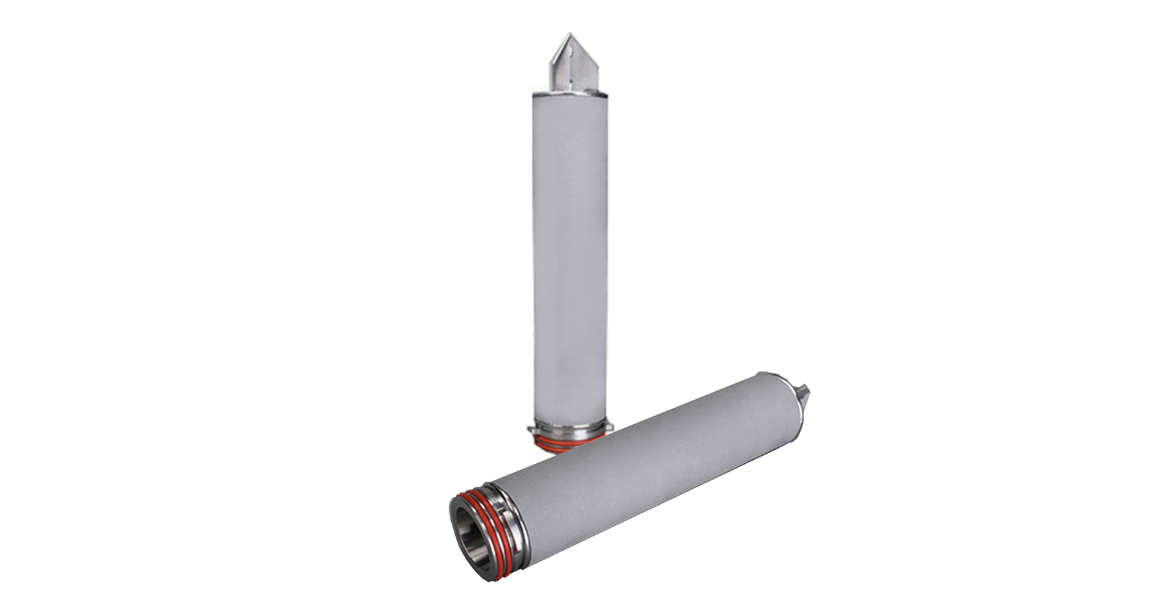
Introduction to Sintered Powder Filter Cartridges
Sintered powder filter cartridges are essential for industries that require high-efficiency filtration in demanding environments. These filters stand out due to their rigid structure, which offers exceptional dirt-holding capacity and ensures long-lasting performance, even in high-temperature and chemically aggressive environments. Whether you’re working in Oil & Gas, Pharmaceuticals, or Food & Beverage, sintered powder filters are a reliable choice for particle removal down to 0.2 µm.
Here’s the deal—sintered powder filters are engineered using metallic powder sintering technology, where the powder particles are fused together to form a solid, yet porous, filter medium. This construction offers both depth filtration and surface filtration capabilities, making these filters effective across a variety of filtration processes. The result is a filtration solution that doesn’t just remove particulates; it also stands up to extreme conditions like high differential pressures and elevated temperatures.
While sintered filters are commonly used in oil filtration, water treatment, and pharmaceutical applications, they also find a place in power generation and food production—industries that demand precise filtration and reliable performance. The ability to clean and reuse sintered filters makes them an especially cost-effective solution in the long run.
Key Features of Sintered Powder Filter Cartridges:
- High Filtration Efficiency: Removes particles as small as 0.2 µm, making them ideal for precise contamination control.
- Durability: Designed for high-temperature and high-pressure environments, sintered filters are built to last in even the toughest conditions.
- Reusability: The ability to backwash and clean sintered powder filters reduces downtime and minimizes the need for replacements, providing significant cost savings over time.
At Praimo Industrial Filters & Spares Manufacturing Company, we specialize in designing custom-engineered sintered powder filter cartridges that meet the specific needs of various industries. These filters not only deliver unmatched filtration performance, but they also offer cost efficiency, particularly due to their long lifespan and reusability.
Sintered Powder Filter Cartridge Technical Specifications
The Sintered Powder Filter Cartridge is designed to deliver exceptional filtration efficiency while maintaining its integrity in some of the most demanding industrial environments. From high-temperature settings to corrosive chemicals, these filters offer a robust and durable solution for industries such as Oil & Gas, Pharmaceuticals, Food & Beverage, and Water Treatment. Here’s a detailed look at the key specifications that define the performance of these filters:
| Specification | Typical Value |
|---|---|
| Micron Rating | 0.2, 0.5, 1, 2, 5, 10, 20, 40 µm |
| Flow Rate | Typically 10–50 m³/hr per unit |
| Pressure Rating (ΔP) | Up to 50 psi (3.4 bar) in standard units; reinforced versions up to 250 psi (17.2 bar) |
| Temperature Range | Up to 750°F (399°C) in oxidizing conditions, 1000°F (538°C) in reducing atmospheres |
| Material Grades | 316L Stainless Steel, Inconel, Monel, Titanium, Hastelloy |
| Backwash Pressure (Reverse Flow) | Up to 3 bar (44 psi) |
Filtration Efficiency:
The micron rating of sintered powder filters typically ranges from 0.2 µm to 40 µm, allowing these filters to effectively capture fine particulates and other contaminants. This broad range of micron ratings makes them versatile for applications requiring high filtration precision, from ultra-pure pharmaceutical processes to industrial water treatment systems.
Pressure and Temperature Tolerance:
Sintered powder filters are engineered to handle extreme operating conditions. The filters can withstand pressures up to 50 psi (3.4 bar) in standard configurations. For more demanding applications, reinforced versions are available, with a pressure rating of up to 250 psi (17.2 bar). As for temperature tolerance, sintered powder filters excel in high-temperature environments. Filters made with 316L Stainless Steel can endure temperatures up to 750°F (399°C) in oxidizing conditions, while those constructed from Inconel offer even higher resistance, capable of handling temperatures exceeding 1000°F (538°C).
Material Options:
Sintered powder filters can be manufactured using a variety of materials to meet the specific needs of different applications:
- 316L Stainless Steel: Offers excellent corrosion resistance and can withstand high temperatures. It is widely used in chemical processing, water filtration, and food & beverage industries.
- Inconel & Hastelloy: These nickel-based alloys are ideal for highly corrosive environments and extreme temperatures. They are commonly used in oil & gas, aerospace, and chemical manufacturing industries.
- Monel & Titanium: These materials are particularly effective in environments that involve seawater or saline solutions, providing unparalleled corrosion resistance in marine applications.
Backwash Pressure (Reverse Flow):
The backwash capability of sintered powder filters is another key feature. These filters can be cleaned effectively using reverse flow, with a maximum backwash pressure of 3 bar (44 psi). This cleaning method allows for the efficient removal of trapped contaminants, restoring filter performance and extending its service life.
Types and Materials of Sintered Powder Filters
Sintered powder filters are designed with a variety of materials to cater to specific industrial requirements. The material chosen for the filter plays a crucial role in determining its filtration efficiency, chemical compatibility, and temperature resistance. Below, we break down the most common materials used in sintered powder filters and their respective benefits.
Sintered Stainless Steel Filters (316L SS)
316L Stainless Steel is the most commonly used material for sintered powder filters, prized for its corrosion resistance, high tensile strength, and thermal properties. It is particularly effective in chemical processing, water treatment, and food & beverage industries.
- Corrosion Resistance: Offers excellent resistance to most acids, alkalis, and chloride solutions, making it ideal for environments that require durability and corrosion protection.
- Temperature Resistance: Capable of withstanding temperatures up to 750°F (399°C), ensuring reliability in high-temperature processes.
- Benefits: Durable, cost-effective, and widely used in general-purpose filtration applications, making it an ideal choice for multi-purpose filtration systems.
Inconel Filters
Inconel, a nickel-chromium-based alloy, is designed for extreme environments. It is most commonly used in applications where high temperatures and high pressures are standard, such as in aerospace, power generation, and oil & gas industries.
- Corrosion Resistance: Highly resistant to oxidation and corrosion at elevated temperatures, making it ideal for extreme heat and high-pressure conditions.
- Temperature Resistance: Withstands temperatures up to 2200°F (1204°C), making it suitable for the most demanding applications.
- Benefits: Offers unmatched performance in high-temperature and high-corrosion environments, such as gas turbines and refining processes.
Monel & Titanium Filters
Monel and Titanium are specialized alloys that offer exceptional corrosion resistance, making them highly suitable for industries dealing with aggressive chemicals and corrosive environments.
- Monel: Provides outstanding resistance to seawater, chloride solutions, and other harsh chemicals. It is commonly used in marine environments, chemical processing, and petrochemical applications.
- Titanium: Offers superior corrosion resistance in highly acidic or saline environments. Titanium filters are widely used in pharmaceuticals, marine applications, and desalination plants.
- Corrosion Resistance:
- Monel excels in seawater and chloride-rich environments, making it ideal for marine filtratio
- Titanium excels in highly acidic or saline solutions, providing maximum corrosion resistance in chemical processing.
- Temperature Resistance:
- Titanium can withstand temperatures up to 1000°F (538°C), making it ideal for high-temperature corrosive fluid filtration.
- Benefits:
- Monel is highly effective in marine filtration where seawater is involved.
- Titanium is chosen for applications that demand long-term, corrosion-resistant performance in highly corrosive fluids.
Hastelloy Filters
Hastelloy, a nickel-based alloy, is designed to thrive in severe conditions, especially where strong acids, high temperatures, and extreme chemical exposure are present. It is commonly used in chemical processing, aerospace, and nuclear power generation.
- Corrosion Resistance: Offers unmatched resistance to a wide range of acids, including hydrochloric, sulfuric, and other aggressive chemicals.
- Temperature Resistance: Can withstand temperatures up to 2000°F (1093°C), ensuring performance even under the most intense heat.
- Benefits: Provides exceptional durability and reliability in high-pressure systems and chemical reactors, making it ideal for industries requiring long-term, heavy-duty filtration solutions.
| Material | Corrosion Resistance | Temperature Resistance | Applications |
|---|---|---|---|
| 316L Stainless Steel | Excellent for most acids and alkalis | Up to 750°F (399°C) | Chemical processing, water treatment, food & beverage |
| Inconel | Superior in high-temperature and corrosive environments | Up to 2200°F (1204°C) | Aerospace, power generation, oil & gas |
| Monel | Excellent for seawater and chloride-rich environments | Up to 1500°F (815°C) | Marine, chemical processing |
| Titanium | Best for highly acidic or saline solutions | Up to 1000°F (538°C) | Pharmaceuticals, marine, desalination |
| Hastelloy | Unmatched resistance to acids and harsh chemicals | Up to 2000°F (1093°C) | Chemical reactors, aerospace, nuclear power |
Performance and Compliance Standards
Sintered Powder Filter Cartridges are specifically engineered to meet the highest performance standards, offering superior filtration efficiency, durability, and ease of maintenance. These filters are designed to thrive in some of the most demanding industrial environments, where high dirt-holding capacity, low pressure drop, and backwashability are critical to ensure long-term reliability and minimal downtime.
Performance Characteristics
- Filtration Efficiency: Sintered powder filters provide high filtration efficiency with micron ratings typically ranging from 0.2 µm to 40 µm. These filters effectively remove particulates from process liquids and gases, ensuring they meet stringent quality control and regulatory standards. This wide range of micron ratings allows sintered powder filters to handle both fine and coarse particulate loads with ease.
- Dirt-Holding Capacity: The unique rigid, depth-based structure of sintered powder filters enables them to capture and hold significantly more dirt than surface filters. As a result, these filters offer longer intervals between maintenance cycles and more efficient filtering, especially in applications that experience high particulate loads. This feature makes them especially useful in environments where contaminants need to be removed continuously and in large volumes.
- Backwash Capabilities: One of the standout benefits of sintered powder filters is their cleanability. These filters can be effectively backwashed to remove accumulated contaminants and restore their original performance. This eliminates the need for frequent replacements, providing both cost savings and reduced downtime. Backwash pressure typically ranges up to 3 bar (44 psi), ensuring that the filter media is cleaned thoroughly without compromising the structural integrity of the filter.
Compliance with Industry Standards
Sintered powder filters are manufactured to meet global compliance standards, ensuring they are reliable and safe for use across a wide range of industries. These filters undergo rigorous testing and are certified to meet some of the highest industry standards, including:
- ASME (American Society of Mechanical Engineers): ASME ensures that the filters comply with codes for pressure vessels and high-pressure applications, guaranteeing their structural integrity and safe operation in demanding environments.
- CE Certification: The CE mark demonstrates that sintered powder filters conform to the health, safety, and environmental protection standards set by the European Union. This certification ensures that the filters are safe for use within the European Economic Area (EEA).
- FDA Compliance: For industries such as food and beverage, pharmaceuticals, and medical devices, sintered powder filters are manufactured using materials that comply with FDA regulations. This ensures the filters are safe for use in processes that come in direct contact with consumables or sensitive environments, maintaining food safety and regulatory compliance.
These certifications guarantee that Praimo Industrial Filters & Spares Manufacturing Company‘s sintered powder filters not only meet industry standards but also satisfy the most stringent quality requirements, making them suitable for both domestic and export applications.
| Standard | Compliance | Certification Authority |
|---|---|---|
| ASME | Pressure vessel compliance and performance | American Society of Mechanical Engineers |
| CE | Conformance with EU health, safety, and environmental regulations | European Union |
| FDA | Compliance with food, drug, and cosmetic regulations | U.S. Food and Drug Administration |
Benefits of Sintered Powder Filter Cartridges
Sintered powder filter cartridges offer a multitude of benefits that make them an ideal choice for high-performance filtration in demanding industrial applications. From the Oil & Gas industry to Pharmaceuticals, Food & Beverage, and Water Treatment, these filters are engineered to meet stringent industry requirements. With their exceptional filtration efficiency, durability, chemical compatibility, and temperature resistance, sintered powder filters provide reliable performance under the most challenging conditions.
Key Benefits:
- Higher Filtration Efficiency: Sintered powder filters are known for their superior filtration capabilities, with micron ratings as low as 0.2 µm. This ensures that even the finest particles are efficiently removed from liquids and gases. The filter’s rigid depth structure provides enhanced dirt-holding capacity over time, offering consistently better performance and making these filters ideal for applications requiring precise contamination control.
- Long Service Life: Sintered powder filters are designed to last for an extended period, with minimal need for replacements. Their cleanable and reusable nature significantly reduces the need for frequent replacements, making them an ideal long-term investment. The ability to backwash and clean the filters reduces downtime, lowers maintenance costs, and extends the service life. Additionally, sintered powder filters exhibit low pressure drops and high dirt-holding capacity, further contributing to their longevity and fewer maintenance cycles.
- Resistance to High Temperatures: One of the key advantages of sintered powder filters is their ability to withstand extreme temperatures. These filters are ideal for applications in environments where traditional filtration methods might fail. Materials such as 316L Stainless Steel and Inconel allow these filters to endure temperatures up to 750°F (399°C) in oxidizing conditions, and Inconel can perform in even more extreme environments, up to 2200°F (1204°C).
- Chemical Compatibility: The materials used in sintered powder filters—such as 316L Stainless Steel, Inconel, and Monel—offer exceptional corrosion resistance to a wide range of chemicals, including acids, bases, and solvents. This makes sintered powder filters a highly reliable choice for industries dealing with aggressive chemicals and corrosive fluids, ensuring longevity and consistent performance in harsh chemical environments.
- Cleanability and Reusability: Unlike traditional disposable filters, sintered powder filters are designed to be cleaned and reused. The ability to backwash and chemically clean these filters restores them to their original performance levels, significantly extending their lifespan and reducing the need for frequent replacements. This reusability makes sintered powder filters a cost-effective solution for industries that require reliable filtration with minimal operational costs.
Why Choose Sintered Powder Filters?
- Enhanced Filtration: The rigid, depth-based structure provides superior filtration performance, allowing for better dirt-holding capacity and enhanced filtration efficiency. Ideal for applications requiring precise filtration, these filters ensure contaminants are effectively captured and removed.
- Operational Efficiency: With extended service life and minimal maintenance costs, sintered powder filters contribute to reduced overall operational expenses. Their reusability and cleanability mean fewer replacements and less downtime, making them a practical solution for industries looking to optimize filtration processes.
- Extreme Environment Compatibility: Sintered powder filters are built to withstand high temperatures and harsh chemicals, providing unmatched durability in even the most challenging industrial environments. Their ability to operate efficiently in these conditions makes them indispensable in industries such as chemical processing, aerospace, and oil & gas.
- Long-Term Cost Savings: The cleanability and reusability of sintered powder filters lead to substantial cost savings over time. Reduced operational downtime and maintenance costs allow companies to benefit from lower overall filtration expenses, making sintered powder filters an investment that pays off in the long run.
| Benefit | Feature | Impact |
|---|---|---|
| High Filtration Efficiency | Micron ratings from 0.2 µm to 40 µm | Improved particle removal, cleaner fluids and gases |
| Long Service Life | Backwashable and durable materials | Reduced replacement costs and fewer maintenance cycles |
| High Temperature Resistance | Materials like Inconel and 316L Stainless Steel | Safe operation in high-temperature environments |
| Chemical Compatibility | Materials resistant to acids, bases, solvents | Reliable in aggressive and corrosive fluid applications |
| Cleanability | Can be backwashed and chemically cleaned | Reduced operational costs, longer filter life |
Applications and Industries Using Sintered Powder Filters
Sintered powder filters are versatile filtration solutions that excel in a variety of industries requiring high-efficiency filtration to ensure operational quality and reliability. Thanks to their ability to withstand extreme environmental conditions, including high temperatures and chemical exposure, sintered powder filters are crucial in sectors where precision and durability are essential. Below, we explore how these filters are applied across different industries:
Oil & Gas
In the Oil & Gas industry, sintered powder filters play a vital role in protecting sensitive equipment, removing particulates from hydrocarbon fluids, and ensuring the cleaning of high-viscosity fluids. These filters are used in upstream, midstream, and downstream operations to filter contaminants from crude oil, refined products, and natural gas.
- Example Application: Sintered powder filters are used in oil filtration to remove particulates from crude oil before refining. This ensures the efficient operation of refinery equipment, reduces wear and tear, and protects downstream machinery.
Pharmaceuticals
In the pharmaceutical industry, maintaining the purity of chemical solutions and biological fluids is critical. Sintered powder filters are designed to provide sterile filtration and maintain their integrity under high-pressure conditions, making them ideal for sterilization and separation processes in drug manufacturing.
- Example Application: Sintered powder filters are used in the filtration of solvents and active pharmaceutical ingredients (APIs) to ensure the removal of sub-micron particles that could compromise the quality and effectiveness of the final product.
Water Treatment
Water treatment plants rely on sintered powder filters for purifying potable water, wastewater, and industrial effluents. These filters offer high dirt-holding capacity and can withstand harsh chemical cleaning, making them a reliable choice for ensuring safe drinking water and meeting environmental regulations for wastewater treatment.
- Example Application: In water filtration systems, sintered powder filters are used to remove suspended solids, bacteria, and other contaminants from water sources, ensuring the production of clean water for consumption and industrial use.
Food & Beverage
In the Food & Beverage industry, sintered powder filters are widely used for clarifying liquids such as juices, wines, and beer, as well as for removing unwanted particles from ingredients like edible oils and syrups. The FDA-compliant materials used in sintered powder filters make them suitable for food-grade applications, ensuring that the final product meets strict safety standards.
- Example Application: Sintered powder filters are used in wine filtration to remove yeast and other fine particles, improving the clarity and quality of the final product.
Power Generation
In power generation, sintered powder filters are crucial for protecting critical equipment such as turbines and heat exchangers. These filters remove solid contaminants from cooling water and steam systems, helping to maintain smooth operations and prevent the buildup of scaling or corrosion in critical systems.
- Example Application: Sintered powder filters are used in cooling water filtration for power plants, where they remove fine debris and contaminants that could damage turbines or affect energy efficiency.
Other Industries
Beyond the core industries mentioned above, sintered powder filters are used in a wide range of other industries such as electronics manufacturing, automotive, chemical processing, aerospace, and marine applications. These filters are particularly suited for highly sensitive processes and critical components that require precise filtration.
| Industry | Application | Keywords |
|---|---|---|
| Oil & Gas | Filtration of hydrocarbons and crude oil | oil filtration, hydrocarbon fluid filtration |
| Pharmaceuticals | Filtration of solvents and APIs | pharmaceutical filtration, biological fluid filtration |
| Water Treatment | Filtration of potable water and industrial effluents | water treatment filters, wastewater filtration |
| Food & Beverage | Clarification of juices, wines, and oils | food-grade filtration, juice filtration |
| Power Generation | Cooling water filtration and turbine protection | power plant filtration, turbine protection |
Lifecycle Cost & ROI of Sintered Powder Filters
The lifecycle cost of a sintered powder filter is a critical factor for businesses aiming to achieve long-term cost savings while maintaining high filtration standards. When compared to traditional disposable filters, sintered powder filters offer significant advantages in terms of both initial investment and long-term savings. Their reusability, durability, and low maintenance costs make them a highly cost-effective solution in the long run, especially when factoring in the operational savings and reduced downtime they provide.
Initial Investment
While sintered powder filters typically have a higher initial cost compared to disposable filters, the long-term value they offer makes the upfront expenditure worthwhile. These filters are made from robust materials such as 316L stainless steel, Inconel, and Monel, ensuring extended durability and resistance to harsh operational conditions.
- Upfront Cost: Sintered powder filters have a higher initial investment due to the advanced materials and engineering involved in their construction. However, this investment is quickly mitigated by the long operational life and the cost savings over time.
Maintenance Costs
Sintered powder filters offer significant savings when it comes to maintenance costs due to their cleanable and reusable design. Unlike disposable filters, which need to be replaced regularly, sintered powder filters can be restored to near-original performance through backwashing and chemical cleaning.
- Low Maintenance: Regular backwashing and chemical cleaning extend the filter's lifespan by several years, reducing the need for replacements and minimizing operational disruptions. This lowers maintenance costs and increases the filter lifespan, leading to significant cost savings over time.
Long-Term Savings and ROI
The true value of sintered powder filters comes into play when you consider the long-term savings and return on investment (ROI) they offer. Their reusability and extended service life make them a more cost-effective choice compared to disposable filters, especially when accounting for the costs associated with frequent replacements, downtime, and maintenance.
- Reusability: Sintered powder filters can be cleaned and reused multiple times, leading to lower overall operating costs. This reduced downtime and minimal replacement frequency allow businesses to operate more efficiently and with fewer interruptions.
- Longevity: Due to their long operational life, sintered powder filters do not need to be replaced as frequently as disposable filters. This contributes to significant savings over the course of the filter's lifespan, especially in industries where filtration is a critical and ongoing process.
ROI Breakdown (Example)
| Factor | Sintered Powder Filter | Disposable Filter |
|---|---|---|
| Initial Investment | High | Low |
| Annual Maintenance Cost | Low (backwash and cleanable) | High (replacement frequency) |
| Service Life | 5+ years | 1–2 years |
| Replacement Frequency | None (reusable) | High (multiple replacements/year) |
| Total Cost Over 5 Years | Reduced due to reusability | Higher due to frequent replacements |
Cost Savings
The initial higher cost of sintered powder filters is easily offset by their longer service life, reduced downtime, and minimal maintenance. Over a 5-year period, the total cost for sintered powder filters can be significantly lower than that of disposable filters. When procurement teams and engineers factor in the long-term ROI and cost savings, sintered powder filters offer clear financial advantages.
- Connection sizes: ¼″ to ½″ tri-clamp or hose barb.
- Lengths: 5″, 10″, and 20″.
- Available pre-sterilized and gamma-compatible for cleanroom use.
- Eliminate housing cleaning, gasket replacement, and integrity revalidation steps.
Performance Insight: Many QC labs prefer PTFE capsules for small-batch or pilot-scale vent filtration. They’re plug-and-play—no wrenching, no leaks, no revalidation downtime—and they simplify sterile handling by removing housing changeovers entirely.
Sintered Powder Filter Cartridges vs. Alternatives (Comparison)
When evaluating filtration solutions, sintered powder filter cartridges stand out due to their unique performance characteristics such as high filtration efficiency, durability, and versatility in extreme environments. However, it’s important to compare these filters with other options like pleated filters, cartridge filters, and other sintered filters to understand their advantages and limitations. This comparison highlights the key differences in filtration performance, durability, temperature resistance, and maintenance.
Sintered Powder Filters vs. Pleated Filters
Both sintered powder filters and pleated filters are highly effective at removing particulates, but they are optimized for different applications and offer distinct advantages.
- Filtration Efficiency:
- Sintered Powder Filters: Known for their high dirt-holding capacity and ability to remove particles as small as 0.2 µm, these filters excel in fine filtration and handle high particulate loads. Their rigid structure and depth filtration capabilities make them highly effective in demanding filtration applications.
- Pleated Filters: These filters have a larger surface area, which increases the flow rate, but they typically do not have the same dirt-holding capacity as sintered powder filters. As a result, they are better suited for lower particulate levels but may clog more quickly in high-contamination environments.
- Durability:
- Sintered Powder Filters: These filters are designed to be cleanable and reusable, which makes them ideal for long-term use in high-temperature and corrosive environments.
- Pleated Filters: Generally disposable, pleated filters require frequent replacement, especially in systems that deal with high solid loads or high contamination.
- Maintenance:
- Sintered Powder Filters: The backwashable design allows for easy cleaning, reducing the need for frequent replacements and minimizing operational downtime. This feature also helps reduce overall maintenance costs.
- Pleated Filters: Pleated filters incur high maintenance costs due to the frequent need for replacement, especially in systems exposed to heavy particulate contamination.
Sintered Powder Filters vs. Polymeric Filters
Polymeric filters, made from materials like polypropylene or polyester, are commonly used in cost-effective filtration applications. However, they fall short compared to sintered powder filters in temperature resistance and chemical compatibility.
- Temperature Resistance:
- Sintered Powder Filters: These filters can withstand high temperatures, with materials like 316L Stainless Steel providing a temperature tolerance of up to 750°F (399°C), and Inconel reaching 2200°F (1204°C) in extreme conditions.
- Polymeric Filters: Polymeric materials typically have a temperature tolerance of up to 200°F (93°C), making them unsuitable for high-temperature applications where sintered powder filters excel.
- Chemical Compatibility:
- Sintered Powder Filters: Known for their high resistance to aggressive chemicals, sintered powder filters are available in materials such as Inconel, Hastelloy, and Monel, making them ideal for corrosive environments.
- Polymeric Filters: Polymeric filters often degrade when exposed to harsh chemicals, limiting their use in industries like chemical processing and oil refining where exposure to corrosive fluids is common.
Sintered Metal Filters vs. Other Sintered Filters
While sintered powder filters are a type of sintered metal filter, it’s important to distinguish between metal fiber sintered filters and sintered powder filters. Here’s a breakdown of the key differences:
- Filtration Performance:
- Sintered Powder Filters: These filters provide a rigid depth structure, allowing for highly effective particle capture throughout the filter. They are ideal for fine filtration applications and situations where high dirt-holding capacity is required.
- Metal Fiber Filters: These filters typically offer higher permeability and can handle larger particulates more efficiently. However, they have a lower dirt-holding capacity, making them less effective for fine particle removal.
- Strength and Durability:
- Sintered Powder Filters: Known for their robust design, sintered powder filters are built to withstand high differential pressures and maintain their structural integrity in high-stress environments.
- Metal Fiber Filters: While durable, metal fiber filters are more susceptible to clogging in high-contamination systems and are generally less resistant to extreme pressures compared to sintered powder filters.
| Filter Type | Filtration Efficiency | Durability | Temperature Resistance | Maintenance |
|---|---|---|---|---|
| Sintered Powder Filters | High dirt-holding capacity, removes particles down to 0.2 µm | High durability, cleanable & reusable | Up to 750°F (399°C) with 316L SS, higher with alloys | Low maintenance (backwashable) |
| Pleated Filters | Lower dirt-holding capacity, suitable for lower particulate levels | Disposable, needs frequent replacement | Up to 200°F (93°C) | High maintenance (frequent replacement) |
| Polymeric Filters | Lower efficiency in high contamination environments | Low durability in high-temperature & chemical conditions | Up to 200°F (93°C) | High maintenance (frequent replacement) |
| Sintered Metal Filters | Higher permeability, lower dirt-holding capacity | Moderate durability, less resistant to high pressures | Up to 750°F (399°C) with 316L SS | Moderate maintenance (cleanable) |
Buying and Procurement of Sintered Powder Filter Cartridges
When purchasing sintered powder filter cartridges, it’s crucial to consider several key factors to ensure that you select the right filter for your specific application. These factors include the size, material, performance specifications, and supplier reputation. Below, we’ll guide you through the procurement process to help you make an informed decision.
Choosing the Right Size and Micron Rating
Selecting the correct size and micron rating for your sintered powder filter cartridge is critical to achieving optimal filtration performance. The wrong choice can lead to inefficiency, frequent clogging, and higher operational costs.
- Size: Sintered powder filters typically come in standard lengths such as 10", 20", and 30", with diameters usually around 66 mm. It’s important to ensure that the filter you choose is compatible with your existing filtration system and provides the necessary surface area for your required flow rate. For instance, selecting the right size filter ensures adequate flow capacity, minimizing the risk of high-pressure drops and ensuring smooth filtration processes.
- Micron Rating: The micron rating dictates the level of filtration achieved. Choose a rating that aligns with the specific application requirements:
- 0.2 µm filters: Ideal for fine particle removal in sensitive applications like pharmaceutical filtration or food-grade liquids.
- 10 µm to 20 µm filters: Suitable for larger particulate removal, typically used in oil filtration or water treatment systems where larger contaminants are present.
Selecting the Right Material
The material of the sintered powder filter is equally crucial, as it dictates the filter’s performance, durability, and compatibility with the environment and chemicals it will encounter. The material you select should match your operational requirements—consider factors such as corrosion resistance, temperature tolerance, and chemical compatibility.
- 316L Stainless Steel: This material is perfect for general-purpose applications that require corrosion resistance and the ability to withstand high temperatures. It’s commonly used in chemical processing, water treatment, and food and beverage industries.
- Inconel & Hastelloy: These materials are ideal for high-temperature, high-corrosion environments such as those found in chemical processing and aerospace applications. They are designed to endure extreme conditions, where other materials might degrade.
- Monel & Titanium: Used in marine environments and applications where seawater or saline solutions are present, these materials provide exceptional resistance to corrosion, making them a solid choice for marine filtration systems and highly corrosive fluids.
Choose a material that matches the specific needs of your industry, ensuring it provides the necessary durability and chemical compatibility for long-term performance.
Finding the Right Supplier
Selecting the right supplier is just as important as choosing the right filter. Here are some factors to consider when sourcing sintered powder filters:
- Quality Assurance: Ensure the supplier offers high-quality products that meet international compliance standards such as ISO, CE, FDA, and ASME. This guarantees that the filters meet global industry standards for performance and safety.
- Custom-Engineering Capabilities: Work with suppliers who offer custom-engineering services to tailor the filters to your specific requirements, such as custom micron ratings, special materials, or unique sizes that fit your system.
- Reliable Lead Times and Competitive Pricing: Ensure the supplier offers reliable lead times and competitive pricing to keep your procurement process smooth and cost-effective. Fast lead times are especially important when dealing with urgent replacements or expansions.
Procurement and Budgeting
Proper budgeting is essential to the success of your procurement process. While sintered powder filters may have a higher initial cost than disposable filters, their long-term cost-effectiveness becomes clear when you consider their reusability, extended service life, and low maintenance costs.
- Initial Investment: While sintered powder filters require a higher upfront investment due to their advanced materials and engineering, the long operational life of these filters and the reduced frequency of replacements more than make up for the initial cost.
- Maintenance Savings: The backwashable design of sintered powder filters means they can be cleaned and reused, eliminating the need for frequent replacements. This reusability drastically reduces maintenance costs and downtime, leading to significant savings in the long term. Regular cleaning and backwashing restore the filters to optimal performance, enhancing their lifespan and efficiency.
Maintenance and Troubleshooting of Sintered Powder Filters
Proper maintenance and cleaning are crucial to maximizing the service life of sintered powder filters and ensuring they perform at their best. These filters are designed to be cleanable and reusable, making them an economical choice for industrial filtration needs. In this section, we’ll outline the best practices for maintaining sintered powder filters, the most effective cleaning methods, and how to troubleshoot common issues that can arise during operation.
Sintered Powder Filter Maintenance Best Practices
To ensure that sintered powder filters continue to perform optimally, follow these essential maintenance guidelines:
- Routine Inspection: Regular inspections are essential to ensure the filter remains in good working condition. Look for visible damage or wear and check for any signs of clogging or excessive buildup of particulates, especially after long periods of operation. Pay particular attention to seals and gaskets—ensure they are intact to prevent bypass and maintain effective filtration.
- Pressure Drop Monitoring: Monitoring the differential pressure (ΔP) across the filter is a key maintenance task. A significant rise in ΔP indicates that the filter is becoming clogged and needs to be cleaned. As a rule of thumb, backwashing should be performed when the ΔP exceeds 0.8–1.0 bar above the clean state. Regularly tracking this metric helps prevent excessive pressure buildup and potential filter damage.
Cleaning Methods for Sintered Powder Filters
One of the primary advantages of sintered powder filters is their cleanability. Regular cleaning ensures the filter remains efficient, restoring its performance and extending its operational lifespan. Below are the most commonly used cleaning methods:
- Backwashing: Backwashing is a critical cleaning technique for sintered powder filters. In this process, reverse flow is applied to flush out trapped particles and contaminants. It is recommended to backwash the filter once the differential pressure exceeds the set limit.
- Step 1: Shut off the flow to the filter and open the backwash valve.
- Step 2: Reverse the flow direction and allow water or cleaning fluid to flow through the filter, removing trapped contaminants.
- Step 3: Monitor the flow to ensure that all debris has been successfully removed.
- Chemical Cleaning: If backwashing cannot remove stubborn buildup, chemical cleaning is required. Common cleaning agents include 15% HNO₃ (Nitric Acid) for removing inorganic scaling or 20% NaOH (Sodium Hydroxide) for organic residues. Always refer to the manufacturer's guidelines for compatible cleaning chemicals.
- Step 1: Prepare the cleaning solution according to the recommended concentration.
- Step 2: Submerge the filter in the cleaning solution and allow it to soak for the recommended duration (typically 30 minutes to 1 hour).
- Step 3: After soaking, thoroughly rinse the filter with clean water to remove any residue from the cleaning agents.
- Ultrasonic Cleaning: Ultrasonic cleaning can be used for filters subjected to fine particulates or inert contaminants. This method uses high-frequency sound waves to loosen debris without damaging the filter structure. Ultrasonic cleaning is especially useful for high-precision applications like pharmaceutical filtration, where particulate removal must be meticulous.
Troubleshooting Common Issues
Even with proper maintenance, sintered powder filters may encounter certain operational issues. Below are some common challenges and their solutions:
- Clogging: Clogging typically occurs when the filter has accumulated too much debris, or when the backwash frequency is insufficient. Regularly monitor the differential pressure and perform backwashing as necessary. If clogging persists, consider using filters with larger micron ratings or improving pre-filtration methods to reduce solid loads.
- Excessive Pressure Drop: A rise in pressure drop often indicates incomplete backwashing or a buildup of contaminants that cannot be removed through backwashing alone. In these cases, perform chemical cleaning or ultrasonic cleaning to restore the filter's efficiency and performance.
- Material Degradation: Over time, sintered powder filters may experience material degradation due to exposure to harsh chemicals or high temperatures. Ensure that the filter material (e.g., 316L Stainless Steel, Inconel) is compatible with your application’s chemical composition and temperature requirements. Regularly inspect the filter for signs of corrosion or structural damage, especially at weld points.
Troubleshooting Checklist
| Issue | Possible Cause | Solution |
|---|---|---|
| Clogging | High dirt load, insufficient backwashing | Perform backwashing, increase frequency |
| Excessive Pressure Drop | Incomplete cleaning, clogging, damaged filter | Perform chemical or ultrasonic cleaning |
| Material Degradation | Harsh chemicals, high temperatures | Verify material compatibility, inspect for damage |
| Low Filtration Efficiency | Filter fouling, improper backwashing | Regular backwashing, increase maintenance frequency |
Frequently Asked Questions (FAQ)
Here are some of the most frequently asked questions about sintered powder filters, addressing key aspects such as their applications, maintenance, and material compatibility. These answers are designed to assist engineers, OEMs, and industrial buyers in evaluating these filtration solutions for their specific needs.
Sintered filters are employed across various industrial applications where high-efficiency filtration and durability are essential. They are particularly useful in industries such as Oil & Gas, Pharmaceuticals, Water Treatment, and Food & Beverage, where precise particle removal and chemical compatibility are critical.
- Key Uses:
- Oil filtration: Used to remove contaminants from crude oil and refined products, ensuring the efficient operation of refinery equipment.
- Water treatment: Ensures the purification of potable water and wastewater, meeting stringent water quality standards.
- Pharmaceuticals: Employed for sterilization and filtration of active pharmaceutical ingredients (APIs), maintaining product integrity.
- Oil filtration: Used to remove contaminants from crude oil and refined products, ensuring the efficient operation of refinery equipment.
Food & Beverage: Ideal for clarifying liquids (e.g., juices, wines) and removing unwanted particles from ingredients like edible oils.
The principle behind sintered glass filters is similar to sintered powder filters, but instead of metal, sintered glass is used as the filtration medium. The process involves fusing glass particles to form a porous structure, which captures particles and contaminants as fluid or gas passes through it.
Working Mechanism:
The filter operates on depth filtration, where contaminants are trapped within the matrix of sintered glass. These filters are especially effective at capturing fine particulates and are often used in applications where chemical resistance and high filtration efficiency are required.
Sintered filter maintenance is essential for ensuring long-lasting performance and minimal downtime. These filters are designed to be cleaned and reused, significantly reducing operational costs. Here’s an outline of the most effective maintenance practices:
- Backwashing:
Backwashing involves reversing the flow of fluid through the filter to remove trapped debris. It is recommended to backwash when the pressure drop exceeds a set threshold. This process restores filter performance and ensures smooth operation. - Chemical Cleaning:
For stubborn contaminants that cannot be removed by backwashing, chemical cleaning is required. Common cleaning agents like sodium hydroxide (NaOH) or nitric acid (HNO₃) are used, depending on the type of contaminants and material compatibility.
Regular Inspections:
Regularly monitor pressure drops and visually inspect the filters for any wear and tear to avoid issues like clogging or material degradation. Routine inspections can help detect issues before they affect filter performance.
Unlike disposable filters, sintered powder filters are reusable and can last for several years with proper maintenance. Backwashing and chemical cleaning restore the filter’s efficiency, significantly extending its service life. However, filters should be replaced if they show signs of irreparable damage or material degradation, especially when subjected to harsh chemical exposure or high operating temperatures.
Sintered filters are typically made from high-performance metals designed to withstand extreme conditions. The material chosen depends on the application requirements, such as chemical exposure and temperature resistance. Some common materials used include:
- 316L Stainless Steel: Known for its corrosion resistance and high-temperature tolerance, it is used in chemical processing, water treatment, and food & beverage industries.
- Inconel: Ideal for high-temperature, high-corrosion environments such as aerospace and oil & gas applications.
- Hastelloy: Used in chemical processing for its exceptional resistance to harsh chemicals and high temperatures.
- Monel: Offers corrosion resistance in marine environments and is used in industries exposed to seawater and chlorides.
- Titanium: Excellent for use in pharmaceuticals and marine applications, particularly in highly acidic or saline environments.
These materials ensure that sintered powder filters can handle the harshest operating conditions, providing long-lasting, reliable performance.
- 316L Stainless Steel: Known for its corrosion resistance and high-temperature tolerance, it is used in chemical processing, water treatment, and food & beverage industries.
Conclusion & Call-to-Action
Sintered powder filter cartridges provide unmatched performance in high-demand industrial filtration applications, making them an ideal choice for industries that require high-efficiency filtration, chemical compatibility, high-temperature resistance, and reusability. These filters offer long-term cost savings and superior performance compared to traditional filtration methods. Whether you’re involved in Oil & Gas, Pharmaceuticals, Water Treatment, or Food & Beverage, sintered powder filters ensure the purity of your fluids and gases while optimizing operational costs.
Key Benefits Recap:
- High Filtration Efficiency: Effectively captures fine particles down to 0.2 µm, ensuring precise filtration.
- Durability and Reusability: Cleanable and reusable, significantly reducing replacement costs and minimizing operational downtime.
- Resistant to Extreme Conditions: Capable of withstanding high temperatures and exposure to aggressive chemicals, ensuring longevity in demanding environments.
- Low Maintenance: Minimal downtime due to easy cleaning and backwashing, reducing maintenance costs over time.
At Praimo Industrial Filters & Spares Manufacturing Company, we are committed to providing custom-engineered filtration solutions tailored to meet your specific needs. Our sintered powder filter cartridges are designed to maximize performance, longevity, and efficiency, ensuring your filtration systems operate at their peak.
Take the next step toward cleaner, safer, and more efficient filtration systems:
- Request a Technical Consultation: Get personalized recommendations for your filtration needs from Praimo’s experienced engineering team.
- Request a Quote: Obtain a quick, competitive quote for sintered powder filters tailored to your system requirements.
- Learn More: Discover more about our high-performance filtration products and how they can help streamline your operations.
Brochure
Download our brochure for detailed technical data, product capabilities, and filtration system expertise.
Let’s Start Work
Together
Please feel free to contact us. We will get back to you with 1-2 business days. Or just call us now.