


Filter Paper Roll Manufacturer in India — Coolant Filter Paper Roll (1–100 µm) | Praimo Industrial Filters & Spares Manufacturing Company
What Is a Filter Paper Roll? Use Cases for CNC & Grinding Coolants
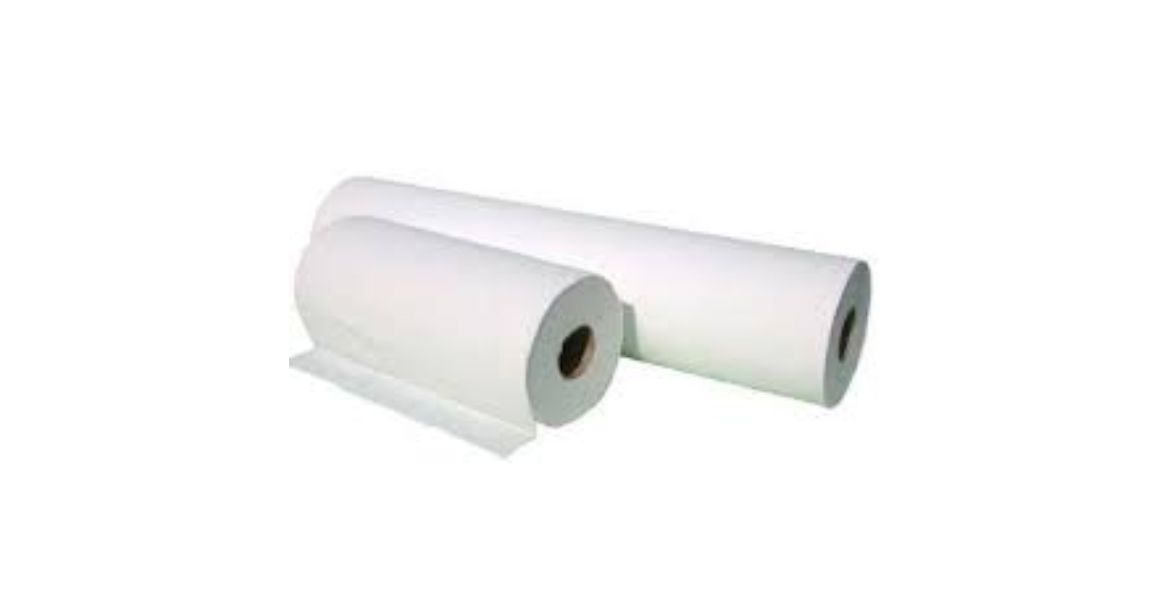
A filter paper roll is essentially a continuous sheet of nonwoven filtration media engineered for coolant clarification in precision metalworking systems—think CNC machines, surface grinders, honing, or lapping units. In actual operation, it serves as a disposable barrier that captures suspended solids, oil sludge, and abrasive fines before they circulate back into the coolant system. The media advances automatically as it becomes saturated, maintaining a consistent flow rate and preventing process interruptions.
In most setups, the filter roll sits inside a paper filter coolant system, typically a gravity bed, compact paper band, or vacuum drum filter. Dirty coolant passes through the paper; particulates accumulate on its surface, forming a semi-permeable cake that boosts filtration efficiency over time. As differential pressure (ΔP) rises, the indexing mechanism triggers—feeding fresh media into position. This continuous cycle keeps the coolant clarity, flow rate, and ΔP stability within design limits. Typical flow capacities range from 20 to 300 L/min per 100 mm of bed width, depending on the GSM and micron grade of the paper.
Material-wise, coolant filter paper rolls are made from cellulose, viscose, or polyester (PET) media—each chosen based on coolant chemistry and temperature profile. Available grades range from 30–120 GSM and 1–100 µm nominal rating, covering applications from rough grinding to ultra-fine finishing. When used correctly, these rolls can extend tool and coolant life by up to 50 percent, while stabilizing temperature and reducing tramp oil formation.
Common System Types
Simple, low-pressure filtration for fine grinding and moderate flow rates.
Designed for tight floor spaces and medium solids loading.
Ideal for high-flow, sub-10 µm clarity applications such as honing and superfinishing.
Now, here’s the practical takeaway: maintaining coolant cleanliness isn’t just about filtration—it directly impacts surface finish (Ra), dimensional accuracy, and machine uptime. In real-world grinding cells, operators often notice that consistent coolant quality can make the difference between a batch rework and a perfect run.
By continuously removing contaminants, filter paper rolls help prevent pump wear, thermal imbalance, and tool edge rounding, which are all common pain points in high-precision machining environments. For industries where tolerances matter—like automotive, bearings, and aerospace—these rolls are indispensable for stable, repeatable production quality.
Filter Paper Roll Technical Specifications (Sizes, GSM, Micron, Temperature, ΔP)
Every filter paper roll used in coolant filtration systems is defined by a combination of width, GSM (basis weight), micron rating, permeability, and thermal stability—parameters that together determine its overall efficiency and operating life. Choosing the right combination isn’t just a matter of compatibility; it directly influences coolant clarity, filter change frequency, and surface finish consistency in grinding, honing, and CNC machining environments.
In actual practice, engineers typically balance these variables based on system design, solids loading, and the required clarity level. For example, a 30 µm filter paper roll can handle fine grinding, while a 50 µm roll performs better for high-flow or rough machining applications.
Typical Technical Specifications
| Parameter | Specification Range | Typical Values / Notes |
|---|---|---|
| Width (mm) | 100 – 2,000 mm | Standard widths include 300, 500, 600, 750, and 1,000 mm. |
| Roll Length (m) | 25 – 200 m | Commonly supplied in 50 m or 100 m lengths (custom options available). |
| Core ID (mm) | 25 / 50 / 75 mm | Available with paper or plastic cores for quick mounting. |
| Basis Weight (GSM) | 20 – 150 GSM | Popular grades: 30, 50, 80, 100, 120 GSM. |
| Thickness (mm) | 0.1 – 0.4 mm | Varies with GSM and fiber density. |
| Filtration Rating (µm) | 1 – 100 µm nominal | 30 µm and 50 µm rolls are most common for CNC and surface grinding. |
| Air Permeability (L/m²·s) | 50 – 350 | Indicates flow rate through clean media. |
| Operating Temperature (°C) | Up to 90°C (Cellulose) / 120°C (Polyester) | For continuous duty in coolant service. |
| Permissible ΔP (mm H₂O) | 100 – 200 mm | Typical indexing trigger point. |
| pH Compatibility | 5 – 9 | Safe for water-soluble and synthetic coolants. |
| Recommended Flow | 20 – 300 L/min per 100 mm bed width | Depends on GSM, micron grade, and bed geometry. |
Engineering Notes & Application Insights
- 30 Micron Filter Paper Roll – Preferred for fine surface grinding or superfinishing lines where sub-10 µm solids removal is critical.
- 50 Micron Filter Paper Roll – Common for general-purpose grinding, turning, and coolant systems with moderate contamination.
- Media Compatibility – Works seamlessly with gravity bed filters, compact band filters, and vacuum drum systems, especially when paired with magnetic separators for ferrous pre-filtration.
- Material Options – Available in cellulose, viscose, or polyester (PET) blends that ensure high wet tensile strength and minimal elongation during extended wet operation.
- Quality Assurance – Each roll is batch-tested for GSM, tensile strength, permeability, and thickness uniformity. Certifications can be issued in accordance with ISO 9001:2015 standards.
In day-to-day operation, technicians often note that higher-GSM rolls maintain a more stable ΔP and require fewer changeovers—especially when used with automatic indexing. That’s one small adjustment that can significantly improve uptime in high-precision coolant filtration systems.
Performance & Curves — Flow vs Pressure Drop (Gravity, Compact Band, Vacuum)
The performance of a filter paper roll in a coolant filtration system can be visualized most effectively through its flow versus pressure drop (ΔP) behavior. This relationship defines how efficiently the media passes coolant, retains contaminants, and maintains a stable operating condition throughout its service cycle. In practice, every filtration setup—gravity bed, compact band, or vacuum drum—develops its own characteristic curve based on GSM, fiber density, and media permeability.
At startup, clean media offers minimal resistance, allowing the coolant to pass freely. Typical clean-media permeability falls in the range of 100–350 L/m²·min at 50 mm H₂O, depending on the paper’s basis weight and composition. As solids begin to accumulate, a semi-permeable “filter cake” forms, improving the capture of fine particles but also increasing ΔP. The head-rise knee point, usually around 120–200 mm H₂O, marks when the media is considered loaded. At this stage, float switches or vacuum sensors trigger the automatic indexing system, feeding fresh paper into place and restoring optimal flow.
Clean Media Permeability & Flow Characteristics
| Filter Grade | Micron (Nominal) | Permeability (L/m²·min) | Typical ΔP (mm H₂O) | Application |
|---|---|---|---|---|
| Coarse | 80–100 µm | 300–350 | 80–120 | Milling, rough turning |
| Medium | 40–60 µm | 200–250 | 100–150 | Surface / cylindrical grinding |
| Fine | 10–30 µm | 100–150 | 150–200 | Honing, super-finishing, EDM |
System-Specific Performance Insights
These rely purely on hydrostatic head pressure, making them the simplest and most maintenance-free option. They perform best in fine grinding or low solids-load conditions, typically handling 40–150 L/min per 100 mm bed width.
Designed for centralized systems or limited floor space, they use a controlled head pressure to boost throughput while maintaining clarity. A practical upgrade over gravity types for multi-machine coolant loops.
The workhorses of high-precision finishing lines. By applying vacuum assist (–0.2 to –0.6 bar), they achieve 30–50% higher flow rates and sub-10 µm clarity—ideal for EDM or honing where coolant purity directly affects surface finish (Ra).
When properly sized and configured, filter paper rolls maintain a nominal filtration efficiency of ≥98%, ensuring coolant clarity levels below 50 mg/L of suspended solids. Stable ΔP curves not only indicate consistent performance but also protect downstream pumps, seals, and heat exchangers from overload and abrasion.
In most production environments, engineers treat the ΔP graph as the “heartbeat” of the system—it tells you when your media is working at peak efficiency and when it’s time for a clean advance. Consistent monitoring of this curve can prevent unplanned stoppages and prolong overall coolant system reliability.
Materials & Types — Cellulose/Viscose, Polyester (PET), Polypropylene (PP), SMS Composites, Activated Carbon, Needlefelt
The material composition of a filter paper roll determines far more than just its filtration precision — it governs how the media behaves under mechanical stress, coolant chemistry, and thermal load. Each media type brings a unique balance of strength, permeability, pH tolerance, and particle retention, which directly affects roll life, ΔP stability, and coolant clarity. In most coolant filtration systems, choosing the right media can mean the difference between an 8-hour shift and a full week of uninterrupted operation.
Operators often learn that cellulose paper might perform perfectly on a small grinder but fail prematurely in an EDM line running synthetic coolant at elevated temperatures. This is why Praimo Industrial Filters & Spares Manufacturing Company provides a diversified range of media compositions to match both the fluid chemistry and mechanical duty cycle of every installation.
Common Media Types & Technical Properties
| Material Type | Composition & Structure | Temperature Limit (°C) | pH Range | Wet Tensile Strength (N/50mm) | Micron Range (Nominal) | Applications |
|---|---|---|---|---|---|---|
| Cellulose / Viscose | 100% natural fiber, tightly bonded web | 80–90 | 5–9 | 25–35 | 10–100 µm | General-purpose grinding, honing, CNC machining |
| Polyester (PET) | Synthetic fiber, high strength and chemical resistance | 120–130 | 4–10 | 40–55 | 5–60 µm | High-temp coolants, cutting oils, EDM fluids |
| Polypropylene (PP) | Nonwoven thermoplastic fiber with oleophilic surface | 100–110 | 1–13 | 35–45 | 10–80 µm | Coolant & oil filtration, chemical fluids |
| SMS Composite (Spunbond–Meltblown–Spunbond) | 3-layer media for gradient filtration | 120 | 4–9 | 50–60 | 1–50 µm | Fine polishing, EDM, precision grinding |
| Activated Carbon Media | Cellulose or PET base impregnated with carbon | 90–100 | 5–9 | 25–40 | 5–30 µm | Odor & oil vapor removal, coolant deodorizing |
| Needlefelt (Polyester/PP) | Mechanically bonded felt with depth-loading capacity | 150 | 2–12 | 50–70 | 5–50 µm | Heavy particulate load, oil mist recovery |
Engineering Notes & Media Selection Insights
- Cellulose / Viscose — The most economical option, favored for water-based coolants in moderate-load grinding. Fully biodegradable and easily disposable.
- Polyester (PET) — Offers high dimensional stability and chemical resistance, even in warm, alkaline environments. Performs reliably where cellulose may swell or lose strength.
- Polypropylene (PP) — Known for its oleophilic nature and broad pH compatibility, making it ideal for oil-based or synthetic coolant systems.
- SMS Composite Media — A technically advanced, multilayer medium combining mechanical strength (spunbond) with fine particle capture (meltblown) — delivering multi-stage filtration in one roll.
- Activated Carbon Media — Designed for odor removal and volatile oil adsorption, often used in EDM fluid conditioning or reclamation circuits.
- Needlefelt Media — High dirt-holding capacity (4–5× greater than standard papers), suited for continuous-duty or high-particulate operations.
For high-temperature or chemically aggressive systems, Praimo typically recommends PET or SMS-based coolant filter paper rolls. These materials exhibit permeability of 200–300 L/m²·min and maintain tensile integrity even at elevated temperatures.
All Praimo media are manufactured under ISO 9001-certified quality systems and tested as per ISO 9073 nonwoven standards, ensuring uniform GSM, thickness, and tensile strength.
In practice, engineers often notice that upgrading from cellulose to PET immediately improves both coolant life and ΔP stability—especially in centralized filtration systems handling multiple machines. That small material shift often translates into measurable savings over the course of a production quarter.
Micron & GSM Selection Guide — 1–100 µm (Application-Mapped)
Selecting the right GSM (grams per square meter) and micron rating for a filter paper roll is one of those practical engineering decisions that directly defines how well a coolant filtration system performs over time. The goal is to strike a balance between flow rate, filtration precision, and media consumption. A roll that’s too fine will clog prematurely, while one that’s too coarse allows contaminants to pass through — both leading to downtime and extra cost.
At Praimo Industrial Filters & Spares Manufacturing Company, each GSM grade is precision-matched to a nominal micron range, ensuring predictable ΔP behavior and consistent coolant clarity across different machining environments. The table below simplifies selection for OEMs, maintenance teams, and plant engineers.
Filter Paper Roll GSM-to-Micron Selection Table
| GSM (Basis Weight) | Nominal Micron Rating (µm) | Thickness (mm) | Filtration Efficiency (% Nominal) | Typical Application | Recommended System Type |
|---|---|---|---|---|---|
| 30 GSM | 80–100 µm | 0.10–0.15 | 80–85 % | Rough grinding, milling, chip removal | Gravity bed / Compact band |
| 40 GSM | 60–80 µm | 0.15–0.18 | 85–88 % | Surface grinding, lapping | Gravity bed |
| 50 GSM | 40–60 µm | 0.18–0.22 | 88–90 % | Cylindrical grinding, turning | Compact band filter |
| 70 GSM | 30–40 µm | 0.22–0.25 | 90–93 % | Fine surface grinding, honing | Compact band / Vacuum drum |
| 90 GSM | 20–30 µm | 0.25–0.28 | 93–95 % | Precision machining, honing | Vacuum drum filter |
| 120 GSM | 10–20 µm | 0.30–0.35 | 95–98 % | EDM, polishing, micro-finishing | Vacuum drum filter |
| 150 GSM (Needlefelt) | 1–10 µm | 0.35–0.40 | 98–99 % | Ultra-fine or coolant reconditioning | Vacuum drum / High-solids filter |
Engineering Insights
- 30 Micron Filter Paper Roll – Favored for surface and cylindrical grinding, it balances flow and clarity for moderate dirt loads.
- 50 Micron Filter Paper Roll – The most widely used in CNC coolant filtration, combining steady permeability with economical media usage.
- High-GSM Rolls (90–150 GSM) – Designed for ultra-fine polishing, EDM, and micro-finishing where even trace particles can short circuits or mark surfaces.
- Lower-GSM Rolls provide faster flow but require more frequent indexing, while higher-GSM rolls trade a slight flow reduction for much longer service intervals.
In daily operations, engineers often monitor ΔP versus media advance rate to fine-tune GSM choice — a 10 GSM adjustment can alter media life by as much as 15–20 %.
Ordering Guidance
When placing an order or preparing RFQs, specify parameters in the following format:
Width × Length × Core ID × GSM × Micron × Material Type
(Example: 600 mm × 100 m × 50 mm core × 50 GSM × 40 µm × PET)
All standard rolls are supplied with ± 5 % GSM tolerance and verified porosity as per ISO 9073-17 air permeability standards.
In practice, technicians often start with a mid-range 50 GSM, observe the system’s ΔP curve over a few shifts, and then fine-tune toward 70 or 90 GSM based on coolant load and flow stability — a hands-on optimization that only experience, not charts, can perfect.
System Configurations — Gravity Flat-Bed, Compact Band, Vacuum Drum (Simplex/Duplex)
A paper filter coolant system can be built in several mechanical configurations depending on space, flow rate, and the level of coolant clarity required. While all systems rely on the same filter paper roll principle, their hydraulic behavior and dirt-handling efficiency vary. Understanding these distinctions helps engineers choose the right setup for throughput, media consumption, and maintenance frequency.
In practice, engineers often weigh three variables—hydraulic head (ΔH), filtration area, and automatic indexing logic—before finalizing a configuration. Below is a practical comparison that aligns each system type with its expected performance envelope.
Comparison of System Configurations
| System Type | Flow Capacity (L/min per 100 mm bed width) | Filtration Fineness (µm) | Media Type (GSM / Material) | Recommended Duty Cycle | Typical Applications |
|---|---|---|---|---|---|
| Gravity Flat-Bed Filter | 40–150 | 20–80 | 30–70 GSM Cellulose / PET | 8–16 hr | Surface grinding, tool grinding, honing |
| Compact Paper Band Filter | 80–250 | 10–60 | 40–90 GSM PET / PP | 16–24 hr | CNC machining centers, centralized coolant tanks |
| Vacuum Drum Filter | 120–350 (+30–50 % higher via suction assist) | 1–40 | 70–150 GSM PET / SMS Composite | Continuous | Precision machining, EDM, polishing |
| Duplex Arrangement | As above × 2 (with isolation valves) | — | Any | Continuous (no shutdown) | High-duty plants, 24×7 operation |
Engineering Notes & System Insights
- Gravity Flat-Bed Filters rely solely on hydrostatic head pressure to draw coolant through the media. Their simplicity and low maintenance make them ideal for surface grinders and individual machine sumps where flow demand is moderate.
- Compact Band Filters feature a tensioned support mesh or inclined conveyor, effectively increasing flow per unit area. They deliver consistent performance in CNC coolant systems using 50 GSM / 40 µm PET media and fit well in space-restricted setups.
- Vacuum Drum Filters employ negative pressure (–0.3 to –0.6 bar) beneath the media to enhance flow and achieve sub-10 µm clarity. These systems are preferred for EDM, honing, and super-finishing lines where microscopic contamination affects surface quality.
- Duplex Configurations (two beds or twin drums) allow continuous operation—one side filters while the other indexes or undergoes maintenance—ensuring zero downtime in round-the-clock production.
A properly sized coolant filter paper roll system maintains suspended solids below 40 mg/L, minimizes tramp-oil accumulation, and protects pumps, valves, and precision tooling from abrasive wear. In many modern plants, combining a magnetic pre-separator with a vacuum-assisted band filter achieves the best balance between filtration fineness, energy efficiency, and media longevity.
Compliance & Standards — ISO 9001, CE/PED (Equipment), FDA/EU Options (Materials), REACH/RoHS
At Praimo Industrial Filters & Spares Manufacturing Company, compliance isn’t just a formality — it’s a core part of how every filter paper roll and coolant filtration system is engineered, tested, and documented. Each roll and filtration assembly is designed to meet or exceed global quality, safety, and environmental standards, making Praimo a trusted choice for OEMs, EPC contractors, and export buyers alike.
Understanding which directives apply to the filter media (nonwoven paper) and which apply to the equipment (housings, drums, skids) is essential, especially in regulated industries such as pharma, food processing, and aerospace manufacturing.
Compliance Matrix — Media vs Equipment
| Standard / Directive | Applies To | Scope & Description | Praimo Compliance |
|---|---|---|---|
| ISO 9001:2015 | All manufacturing processes | Quality Management System ensuring uniform production, documentation, and inspection procedures. | Certified manufacturing facility. |
| CE / PED 2014/68/EU | Filtration equipment (housings, frames, skids) | Pressure Equipment Directive ensuring mechanical integrity and safety under pressure. | Available for equipment exports. |
| FDA 21 CFR 177.1520 | Filter media (food/pharma variants) | Regulates polymeric materials used in food-contact environments. | Optional for PET / PP grades. |
| EU Regulation (EC) No. 1935/2004 | Filter paper rolls for food & beverage filtration | Ensures safety and migration control of contact materials. | Optional for export projects. |
| REACH (EC 1907/2006) | Filter media and coatings | Restricts hazardous substances (lead, cadmium, formaldehyde, etc.). | Fully compliant — no SVHCs used. |
| RoHS 3 (EU 2015/863) | Filter equipment and electrical accessories | Limits hazardous elements in powered units and controllers. | Compliant for all powered filter assemblies. |
| EN 10204 – Type 3.1 Certificates | Filter media & metal components | Material test certificates providing traceability and verification. | Supplied upon request. |
Engineering & Documentation Notes
- Filter Paper Rolls (Media): Manufactured under an ISO 9001-certified QMS, each roll carries a traceable batch number and corresponding COA (Certificate of Analysis). Optional FDA / EU 1935 compliance is available for PET, PP, and SMS composite rolls used in food or pharmaceutical coolant systems.
- Filtration Equipment: For housings, drums, and skids operating under pressure, Praimo offers optional CE/PED certification and pressure test documentation for international exports.
- Environmental & Safety Compliance: All filter media are REACH-registered and RoHS-compliant, ensuring that no restricted substances are present and that used rolls can be safely disposed of or incinerated under standard waste handling codes.
- Documentation & Traceability: Every export shipment includes QA release papers, batch test data, COA/COC, and, if required, EN 10204 Type 3.1 material certificates. Export packaging conforms to ISPM-15 standards for wooden pallets.
By maintaining rigorous adherence to global compliance frameworks, Praimo Industrial Filters & Spares Manufacturing Company ensures that every product — from filter paper rolls to complete coolant filtration skids — is ready for international audit, documentation review, and end-user acceptance.
In effect, compliance is built into the product’s DNA, not retrofitted afterward — a philosophy that has earned Praimo long-term trust from both domestic and export partners.
Benefits & KPIs — Tool Life, Coolant Life, Surface Finish (Ra), Downtime Reduction
The introduction of coolant filter paper rolls into CNC and grinding filtration systems consistently delivers measurable, engineering-grade improvements in productivity, quality, and cost efficiency. When coolant clarity is maintained within tight limits, fine particles are prevented from re-entering the cutting zone — leading to smoother tool engagement, reduced wear, and stable thermal control. The result is a cleaner process, fewer stoppages, and extended life for both tools and machines.
In field installations, operators often remark that after switching to high-GSM filter paper, their coolant “stays visibly clear for weeks,” and parts show less micro-scoring even under magnification. These small operational gains accumulate into significant plant-wide KPIs.
Key Performance Improvements
| Performance Metric | Typical Improvement | Measurement Basis | Notes / Impact |
|---|---|---|---|
| Tool Life Extension | +20 – 50 % | Comparative wear tests on carbide and PCD tools | Reduced abrasive particle recirculation minimizes edge wear and chipping. |
| Coolant Life | 2 – 4× longer service interval | Coolant replacement cycle | Lower bacterial load and less sludge formation cut disposal and recharge frequency. |
| Surface Finish (Ra) | 10 – 20 % improvement | µm Ra comparison before vs. after filtration upgrade | Finer filtration eliminates scratches, drag marks, and embedded grit. |
| Machine Downtime | 15 – 30 % reduction | Planned vs. unplanned stoppages | Automatic roll indexing ensures uninterrupted operation and faster media change. |
| Coolant Savings | 25 – 40 % reduction in consumption | Annual coolant usage audit | Cleaner coolant lowers top-up volume, disposal, and waste-treatment cost. |
| Pump & Seal Life | +30 % | Maintenance logs | Abrasion-free coolant extends mechanical seal and pump reliability. |
Operational Advantages
- Stable Process Control: Consistent ΔP and flow rates deliver uniform coolant pressure — crucial for tolerance-critical machining.
- Cleaner Machine Environment: Lower carry-over of fines reduces sump cleaning frequency and sludge handling.
- Improved Energy Efficiency: Clearer coolant enhances heat transfer, trimming pump load by 5–10 %.
- Predictable Maintenance: Automatic media indexing minimizes manual involvement, allowing longer unattended shifts.
In real-world applications documented by Praimo Industrial Filters & Spares Manufacturing Company, upgrading to high-GSM polyester media resulted in a 38 % increase in tool life and stretched coolant change intervals from 30 days to 90 days — achieving full payback in less than six months.
Ultimately, integrating a properly specified coolant filter paper roll translates to more than cleaner coolant; it means measurable ROI through longer tool performance, lower consumable usage, and improved equipment uptime — tangible metrics every plant manager can track.
Alternatives & Comparisons — Filter Paper Roll vs Bag, Cartridge, Centrifuge, Backwash Belt
While the filter paper roll system remains one of the most versatile and cost-efficient filtration methods for CNC, grinding, and honing operations, several other technologies—such as bag filters, cartridge filters, centrifuges, and automatic backwash belts—are available for different plant conditions. Each has unique advantages depending on clarity target, flow volume, media handling, and maintenance philosophy. Selecting the right system requires balancing both capital (CAPEX) and operational (OPEX) costs across the expected lifecycle.
Filtration Technology Comparison Matrix
| Technology | Filtration Range (µm) | Clarity Level | CAPEX | OPEX | Maintenance | Best Suited For |
|---|---|---|---|---|---|---|
| Filter Paper Roll System | 1 – 100 µm | Excellent (≤50 mg/L solids) | Low | Low | Low (automatic indexing) | CNCs, grinders, honing, EDM, centralized coolant tanks |
| Bag Filter Housing | 1 – 200 µm | Good | Medium | Medium | Medium (manual bag change) | High-flow lines, coolant polishing, oil circuits |
| Cartridge Filter Housing | 0.2 – 100 µm | Excellent | Medium | High | Medium (manual cartridge change) | Precision filtration, hydraulic oils, pharma/chemical fluids |
| Centrifugal Separator | 10 – 50 µm | Moderate | High | Medium | Low | Heavy particulate removal, oil-water separation |
| Automatic Backwash / Belt Filter | 10 – 200 µm | Good | High | Low | Low | Continuous duty with large sludge volumes, power plants, rolling mills |
Key Engineering Insights
- Filter Paper Roll vs. Cartridge Filters: Paper roll systems enable continuous operation with automatic media indexing, reducing downtime and labor. Cartridge systems, though capable of absolute filtration, require manual changeouts and carry higher replacement costs.
- Paper Roll vs. Bag Filters: Bag housings are better for large single-line flows or coolant polishing applications. However, they lack automation—ideal for batch or offline setups rather than inline CNC filtration.
- Paper Roll vs. Centrifuge: Centrifuges excel at removing dense metallic fines but cannot achieve fine-micron clarity. Combining a magnetic separator + filter paper roll often provides the best hybrid performance, capturing both coarse and fine solids.
- Backwash Belt Filters: These offer media-free operation and continuous cleaning but demand higher upfront investment and larger footprint. They are commonly used in centralized filtration plants serving multiple machining cells or rolling mills.
Lifecycle & ROI Perspective
From an engineering cost analysis standpoint, filter paper roll systems provide a compelling operational advantage:
- 40–60 % lower OPEX compared to cartridge or bag filtration systems.
- Payback period under 12 months in continuous-duty CNC or grinding operations.
- 50–70 % smaller footprint relative to automatic backwash or vacuum belt systems.
For most precision machining, surface grinding, and EDM lines, the filter paper roll remains the preferred balance between clarity, automation, and total cost of ownership. When configured properly with PET or SMS media, it offers the best combination of fine filtration (<10 µm), low maintenance, and high uptime, making it the go-to solution for both standalone and centralized coolant management systems.
Applications — Surface Grinder, Cylindrical/OD-ID, Gear Grinding, Honing, EDM, Aluminum Machining
Filter paper rolls play a vital role across precision metalworking operations where coolant purity dictates machining accuracy, tool longevity, and process uptime. By maintaining consistent ΔP and sub-micron clarity, they act as the backbone of grinding machine coolant filtration systems—whether used in standalone sumps or integrated centralized filtration plants.
In practice, the media selection (micron + GSM) must match each operation’s solids load, flow profile, and finish requirement. The table below provides a clear mapping of process type vs. filtration grade, helping engineers specify the optimal configuration for efficiency and consistency.
Application-to-Micron Performance Table
| Application | Typical Micron Rating (µm) | Recommended GSM / Media | System Type | Result / Performance Outcome |
|---|---|---|---|---|
| Surface Grinding | 20–40 µm | 50–70 GSM Cellulose / PET | Gravity Flat-Bed | Achieves < 0.4 µm Ra; prevents wheel glazing and extends coolant life ×3 |
| Cylindrical / OD-ID Grinding | 30–50 µm | 50 GSM PET | Compact Band Filter | Maintains dimensional accuracy; eliminates scoring during extended runs |
| Gear Grinding / Hobbing | 15–30 µm | 70–90 GSM PET / PP | Compact Band / Vacuum Drum | Controls particulate carry-over; increases tool life by ≈35% |
| Honing / Super-Finishing | 5–20 µm | 90–120 GSM SMS Composite | Vacuum Drum | Delivers mirror finish (< 0.1 µm Ra); stable continuous polishing |
| EDM (Electrical Discharge Machining) | 1–10 µm | 120–150 GSM PET / Needlefelt | Vacuum Drum | Prevents short-circuiting; maintains coolant clarity < 10 mg/L |
| Aluminum / Non-Ferrous Machining | 40–60 µm | 40–60 GSM PP | Compact Band Filter | Avoids sludge accumulation, corrosion, and coolant foaming |
Process-Specific Engineering Insights
- Surface & Cylindrical Grinding: Fine abrasive grit and metallic fines accumulate rapidly. Using 30–50 µm surface grinder coolant filter paper rolls maintains steady flow and reduces wheel dressing frequency.
- Gear Grinding & Honing: High-load finishing demands sub-20 µm clarity. PET or SMS composite rolls prevent edge burrs and preserve profile accuracy.
- EDM & Micro-Finishing: Ultra-fine (≤ 10 µm) media capture dielectric-borne carbon residues, ensuring spark stability and consistent part geometry.
- Aluminum Machining: Non-ferrous swarf tends to smear or clog coarse papers; PP-based rolls resist oil absorption and maintain smooth, uniform indexing intervals.
Integrating magnetic separators ahead of the paper bed removes ferrous contaminants and typically extends filter roll life by 3–5 times. Coupling the system with tramp-oil coalescers further stabilizes coolant chemistry, suppressing bacterial growth and odor formation—an often-overlooked factor in maintaining long-term machining precision and operator comfort.
Industries Served — Automotive, Bearings, Aerospace, Hydraulics, Tool Rooms, PCB
As one of India’s leading coolant filter paper roll manufacturers, Praimo Industrial Filters & Spares Manufacturing Company supports a wide range of industries that depend on precision, reliability, and coolant stability. Each sector operates under distinct cleanliness and performance criteria, and Praimo’s engineered filtration media are tailored to meet these exacting demands—from bearing superfinishing lines to aerospace machining and PCB manufacturing.
In every case, the right filter paper roll ensures consistent surface finish, reduced tool wear, and extended coolant service life—critical parameters that directly affect production economics and product quality.
Sector-Wise Applications & Key Performance Indicators
| Industry | Typical Process / Equipment | Coolant Type | Micron Range (µm) | Measured Benefit / KPI |
|---|---|---|---|---|
| Automotive Manufacturing | Engine block honing, crankshaft grinding, gear hobbing | Water-based synthetic | 20–50 µm | +40% tool life, 2× coolant service interval |
| Bearing Industry | ID/OD grinding, superfinishing | Low-viscosity honing oil | 10–30 µm | < 0.1 µm Ra finish, ±2 µm dimensional consistency |
| Aerospace & Defence | Titanium & Inconel machining, EDM | Dielectric oil / water-glycol | 1–20 µm | Stable spark discharge, zero surface micro-pitting |
| Hydraulics & Precision Components | Hydraulic valve & spool grinding | Soluble oil / synthetic coolant | 5–30 µm | 35% reduction in rework due to cleaner fluid |
| Tool Rooms & Machine Builders | Surface & jig grinding, coolant test rigs | Water-soluble | 30–60 µm | Reduced maintenance frequency, cleaner sump |
| Electronics / PCB | Copper drilling, plating bath clarification | Chemical / acid compatible | 5–10 µm | 25% fewer rejects, 3× longer bath life |
Engineering Perspective
- Automotive & Bearing Industries: High-volume operations rely on automatic indexing filter systems fitted with PET-based filter paper rolls, maintaining consistent coolant clarity and tight dimensional control throughout multi-shift production.
- Aerospace & Defence: For exotic alloys like titanium or Inconel, SMS composite or needlefelt media provide the sub-10 µm clarity necessary to prevent micro-pitting or spark instability in EDM and fine milling applications.
- Hydraulics & Tool Rooms: Cellulose-based papers offer an economical, disposable solution for single-machine systems, while centralized facilities prefer duplex or vacuum-assisted configurations for continuous duty.
- Electronics & PCB Fabrication: Processes involving copper, acid, or alkaline baths require chemically resistant polypropylene (PP) rolls, ensuring stable pH performance and no fiber leaching.
All filter paper rolls from Praimo Industrial Filters & Spares Manufacturing Company are produced under ISO 9001:2015-certified systems and may be supplied with FDA, REACH, and RoHS compliance documentation for export readiness.
Praimo’s application engineers collaborate directly with OEMs and EPC contractors to standardize filter specifications across multiple sites—delivering measurable OEE (Overall Equipment Efficiency) gains, reduced consumable variation, and simplified maintenance protocols across entire production networks.
Industries Served — Automotive, Bearings, Aerospace, Hydraulics, Tool Rooms, PCB
As one of India’s most trusted coolant filter paper roll manufacturers, Praimo Industrial Filters & Spares Manufacturing Company supplies precision-engineered filtration media across multiple industrial sectors—each with its own cleanliness, process reliability, and chemical compatibility standards. From automotive powertrain production to aerospace machining and PCB plating lines, Praimo’s solutions are engineered for consistency, durability, and compliance in both domestic and export markets.
These rolls are designed to integrate seamlessly into diverse coolant management systems, maintaining the optimal balance between filtration fineness, flow rate, and roll life.
Sector-Wise Applications & Key Performance Indicators
| Industry | Typical Process / Equipment | Coolant Type | Micron Range (µm) | Measured Benefit / KPI |
|---|---|---|---|---|
| Automotive Manufacturing | Engine block honing, crankshaft grinding, gear hobbing | Water-based synthetic | 20–50 µm | +40% tool life, 2× coolant service interval |
| Bearing Industry | ID/OD grinding, superfinishing | Low-viscosity honing oil | 10–30 µm | < 0.1 µm Ra finish; tolerance consistency within ±2 µm |
| Aerospace & Defence | Titanium & Inconel machining, EDM | Dielectric oil / water-glycol | 1–20 µm | Stable spark discharge, no surface micro-pitting |
| Hydraulics & Precision Components | Hydraulic valve & spool grinding | Soluble oil / synthetic coolant | 5–30 µm | 35% fewer reworks due to cleaner fluid |
| Tool Rooms & Machine Builders | Surface & jig grinding, coolant test rigs | Water-soluble | 30–60 µm | Reduced maintenance; cleaner machine environment |
| Electronics / PCB | Copper drilling, plating bath clarification | Chemical / acid compatible | 5–10 µm | 25% reject reduction, 3× longer bath life |
Engineering Perspective
- Automotive & Bearings: High-output production lines require automatic indexing filter systems using PET-based filter paper rolls to sustain uniform coolant clarity and precision dimensional control over extended production runs.
- Aerospace & Defence: Fine-tolerance applications such as Inconel or titanium machining demand SMS composite or needlefelt media for sub-10 µm clarity. These materials eliminate micro-pitting and minimize thermal distortion, protecting part geometry.
- Hydraulics & Tool Rooms: Cellulose-based filter rolls provide an economical, disposable option for smaller systems, while centralized hydraulic filtration setups often integrate duplex or vacuum-assisted configurations for uninterrupted operation.
- Electronics & PCB Fabrication: Specialized PP-based filter paper rolls ensure chemical resistance and dimensional stability even in acidic or alkaline environments used in plating baths or chemical etching lines.
All Praimo filter paper rolls are manufactured under ISO 9001:2015 certification, with optional FDA, REACH, and RoHS compliance for regulated industries and export markets.
By working directly with OEMs and EPC contractors, Praimo Industrial Filters & Spares Manufacturing Company helps standardize coolant filtration specifications across plants—resulting in predictable OEE (Overall Equipment Efficiency) improvements, reduced maintenance variation, and globally consistent quality performance.
Lifecycle Cost & ROI Model — Media Consumption, Savings in Tools/Coolant, Payback
A well-designed filter paper roll system does more than just enhance coolant clarity — it directly translates into measurable cost savings across the production lifecycle. When assessed through a Lifecycle Cost (LCC) framework, these systems consistently outperform alternative coolant filtration technologies by reducing consumable use, extending coolant and tool life, and minimizing unplanned downtime. Over time, the combined effect is a significant improvement in ROI and operational predictability.
In most plants, engineers notice the ROI not in theory, but in daily practice: fewer roll changes, clearer coolant, longer tool intervals, and stable surface finishes that reduce rework.
Lifecycle Cost Components
| Cost Element | Baseline (Unfiltered / Coarse Filtration) | With Filter Paper Roll System | % Reduction / Improvement |
|---|---|---|---|
| Tool Wear & Replacement | ₹100,000 / month (avg.) | ₹60,000 / month | ↓ 40% tool wear cost |
| Coolant Consumption | 500 L / month (replacement) | 150–200 L / month | ↓ 60–70% coolant cost |
| Downtime (Maintenance / Clogging) | 8–10 hrs / month | 3–4 hrs / month | ↓ 50–60% downtime |
| Media Consumption (Rolls) | — | 1 roll per 15–20 days (avg.) | Predictable consumption rate |
| Waste Disposal / Sludge Handling | ₹15,000 / month | ₹8,000 / month | ↓ 45% waste handling cost |
ROI Calculation Example — Typical CNC Grinding Line
System Configuration:
- 10 machines at 100 L/min each
- 50 GSM PET filter media
- Roll cost: ₹1,800 per roll
- Replacement interval: every 20 days
Annual ROI Estimate:
- Annual Filter Media Cost: ₹33,000 (≈20 rolls per year)
- Total Annual Savings: ₹420,000 (tooling + coolant + reduced downtime)
- Net ROI: 11–12× in Year 1
- Payback Period: Under 2 months
Engineering & Operational Insight
In high-throughput grinding or honing facilities, the use of high-GSM polyester media reduces filtration-related OPEX by 40–60 %, factoring in lower coolant top-ups, fewer pump failures, and reduced labor time. Plants running centralized coolant systems with automatic indexing achieve even greater returns due to consistent roll utilization and minimal operator intervention.
A good rule of thumb many Praimo clients follow: “one roll per machine per month” — a predictable pattern that simplifies budgeting and supply planning.
Procurement Optimization Tip
Establishing blanket purchase orders (POs) for the full year’s filter roll requirement allows manufacturers to:
- Lock in bulk-rate pricing, reducing per-roll cost by 8–12 %.
- Maintain steady supply continuity aligned with production cycles.
- Simplify inventory management and minimize stockouts.
By adopting this structured Lifecycle Cost & ROI model, Praimo Industrial Filters & Spares Manufacturing Company helps manufacturers transition from reactive coolant maintenance to a planned, data-driven filtration strategy — one that not only sustains precision but delivers tangible, trackable financial returns.
HS/HSN Codes, Export Readiness & Documentation
As an ISO-certified coolant filter paper roll manufacturer and exporter, Praimo Industrial Filters & Spares Manufacturing Company ensures complete compliance with global export and trade regulations. Every shipment is backed by accurate HS/HSN classification, traceable documentation, and certified packaging, ensuring smooth customs clearance and acceptance in international EPC and OEM supply chains.
These export-readiness protocols reflect Praimo’s commitment to technical transparency, material traceability, and international logistics reliability — essential for maintaining client confidence and regulatory alignment across multiple trade zones.
Harmonized System (HS/HSN) Classification
| Product Type | Indicative HS / HSN Code | Description | Applicable Regulatory Notes |
|---|---|---|---|
| Cellulose / Paper-Based Filter Roll | 4811.59.90 | Paper and paperboard coated, impregnated, or covered with other substances; used for filtration | Standard code for cellulose or viscose filter paper rolls |
| Synthetic Fiber (PET / PP / SMS) Filter Roll | 5603.94.00 / 5603.95.00 | Nonwoven fabrics of man-made fibers, laminated or reinforced; used for liquid filtration | Typical for polyester and polypropylene-based filter paper rolls |
| Activated Carbon / Composite Filter Media | 6815.99.90 | Articles of mineral or carbonaceous materials not elsewhere specified | Applied to specialty grades for adsorption and coolant deodorizing |
Note: HS codes may differ slightly depending on the importing country’s customs regulations. Praimo’s logistics and export team provides commodity code confirmation and HS alignment during quotation or proforma invoice preparation to prevent clearance delays.
Export Documentation & Quality Compliance
Every export shipment from Praimo Industrial Filters & Spares Manufacturing Company includes:
- Certificate of Analysis (COA) and Certificate of Conformance (COC) for each production batch.
- REACH and RoHS declarations, confirming that all materials are free from restricted or hazardous substances.
- EN 10204 Type 3.1 Material Certificates for traceable QA documentation, when specified by EPC or OEM clients.
- ISPM-15 certified wooden pallets and fumigation stamps to comply with international logistics regulations.
- Detailed packing list and labeling including batch number, GSM, micron rating, origin, and material type.
- Optional FDA 21 CFR and EU 1935/2004 documentation available for food-grade or hygienic filtration media.
Export Readiness Highlights
- Global Logistics Support: Proven export capability across GCC, European Union, and Southeast Asia, complete with multi-format documentation and harmonized labeling.
- Packaging Assurance: Every shipment is protected with multi-layer moisture barrier wrapping, reinforced edge guards, and palletized stacking, minimizing transit damage and ensuring arrival in ready-to-use condition.
- Traceability: Each roll is batch-printed with a unique ID, linking directly to in-plant test records under Praimo’s ISO 9001:2015 Quality Management System.
- Regulatory Assurance: All media types are REACH and RoHS compliant, ensuring environmental safety and regulatory conformity for global imports.
By maintaining transparent documentation, standardized coding, and export-grade packaging, Praimo Industrial Filters & Spares Manufacturing Company guarantees that every filter paper roll shipment arrives inspection-ready, compliant, and damage-free — enabling seamless integration into global supply chains and long-term trust with international clients.
Pricing Guide — Filter Paper Roll Price (By Width × Length × GSM × Micron)
The price of a filter paper roll depends on a combination of engineering, material, and procurement parameters. Each factor—from roll width and GSM to micron rating and fiber composition—affects both material cost and manufacturing precision. At Praimo Industrial Filters & Spares Manufacturing Company, pricing is determined through a transparent, data-driven structure that aligns with ISO-certified production costs, material utilization, and international export logistics.
This approach ensures consistent quality while maintaining competitiveness across both domestic and export markets.
Key Pricing Factors
| Parameter | Before (Conventional Mesh Bags) | After (Praimo Absolute Filter Bags, 5 µm PP Felt) |
|---|---|---|
| System Flow Rate | 180 m³/hr | 180 m³/hr |
| Operating Pressure | 6 bar | 6 bar |
| Media Type | Nylon monofilament, nominal 10 µm | Polypropylene felt, absolute-rated 5 µm |
| Average ΔP (Across Cycle) | 0.3–1.1 bar | 0.2–0.8 bar |
| Surface Defect Rate | 4.5% of panels | 1.9% of panels |
| Maintenance Downtime | 6 hours/week | 2 hours/week |
| Consumable Cost / Month | ₹ 1.25 lakh | ₹ 0.85 lakh |
| Annual Savings | — | ~₹ 4.8 lakh (32%) |
Typical Procurement Metrics
- MOQ (Minimum Order Quantity): 5–10 rolls per GSM/micron variant for domestic supply; 50–100 rolls for export container loads.
- Lead Time: 7–10 working days for standard rolls; 2–3 weeks for customized GSM or width specifications.
- Packaging: Polyfilm wrapping, corrugated cartons, and ISPM-15 certified pallets for export compliance.
- Price Validity: Standard quotation validity of 30 days, with extended terms available for annual or blanket contracts.
Cost Optimization Tips
- Standardize GSM/Micron: Consolidating common variants across multiple machines minimizes conversion cost and simplifies stocking.
- Baseline Selection: For general-purpose CNC or grinding applications, 50 GSM / 40 µm PET rolls offer the best cost-to-performance ratio.
- Bulk & Blanket Orders: Annual contracts for centralized systems can lower per-roll cost by 10–15 % through economies of scale.
The engineering and procurement team at Praimo Industrial Filters & Spares Manufacturing Company provides detailed, dimension-wise cost breakdowns—including GSM, micron, and media composition—so buyers can model the total cost per machine or per plant accurately.
This transparent pricing structure ensures that every quotation reflects the true technical and operational value delivered by each Praimo filter paper roll.
Ordering Codes & How to Specify (Width, Length, Core ID, GSM, Micron, Material)
To maintain specification accuracy and streamline procurement, Praimo Industrial Filters & Spares Manufacturing Company has developed a standardized ordering code system for all filter paper rolls. This structured coding ensures traceability across production, documentation, and logistics—particularly vital for OEM, EPC, and export projects that demand consistency between batches.
A uniform specification system like this minimizes purchase ambiguity, supports repeat orders, and aligns with Praimo’s ISO 9001 quality documentation and COA traceability standards.
Standard Ordering Code Format
Each filter paper roll follows the SKU format below:
FPR – [Width(mm)] × [Length(m)] × [Core(mm)] × [GSM] × [Micron(µm)] × [Material]
Example:
FPR–600×100×50×50GSM×40µm–PET
This code defines a Filter Paper Roll with:
- 600 mm width
- 100 m length
- 50 mm core
- 50 GSM basis weight
- 40 µm nominal filtration rating
- Polyester (PET) media
Specification Parameters
| Parameter | Available Options | Tolerance / Notes |
|---|---|---|
| Width (mm) | 100 – 2,000 mm | ±5 mm (custom-cut widths available) |
| Length (m) | 25 – 200 m | ±2 % |
| Core ID (mm) | 25 / 50 / 75 | Paper or plastic; standard: 50 mm |
| GSM (Basis Weight) | 30 / 40 / 50 / 70 / 90 / 120 / 150 | ±5 % per ISO 536 |
| Micron Rating (µm) | 1 – 100 (nominal) | Verified via test report (ISO 16889 equivalent) |
| Material | Cellulose, PET, PP, SMS, Needlefelt | Select per coolant chemistry |
| Packaging | Shrink wrap + carton + pallet | ISPM-15 export compliant |
Engineering & Procurement Guidance
- Always specify GSM and Micron together to ensure filtration consistency — for example, “70 GSM / 30 µm PET roll.”
- For vacuum drum systems, choose PET or SMS composite media rated for ≥ 120°C to prevent elongation or shrinkage under heat.
- Include COA/COC or EN 10204-3.1 certification requests for traceability or EPC project documentation.
- Custom cut-to-width rolls can be supplied for centralized filtration skids or duplex bed configurations.
This consistent specification method ensures that both the mechanical dimensions and filtration characteristics align with system requirements.
Quick Reference — Common Stock Options
| Code | Width (mm) | Length (m) | GSM | Micron (µm) | Material | Typical Use Case |
|---|---|---|---|---|---|---|
| FPR–500×100×50×40GSM×60µm–Cell | 500 | 100 | 40 | 60 | Cellulose | Surface grinding |
| FPR–600×100×50×50GSM×40µm–PET | 600 | 100 | 50 | 40 | PET | CNC coolant systems |
| FPR–750×100×50×70GSM×30µm–PET | 750 | 100 | 70 | 30 | PET | Fine grinding / honing |
| FPR–1000×100×50×90GSM×20µm–SMS | 1000 | 100 | 90 | 20 | SMS | Precision machining |
| FPR–1000×100×50×120GSM×10µm–Need | 1000 | 100 | 120 | 10 | Needlefelt | EDM, ultra-fine polishing |
By following this standardized ordering and specification format, buyers, engineers, and procurement teams can guarantee consistent quality, repeatability, and documentation alignment across both domestic installations and export-ready coolant filtration systems.
This clarity in coding reduces errors during quotation, ensures faster turnaround during manufacturing, and simplifies stock management and reordering across multiple plants or OEM projects.
Installation & Setup — Threading, Edge Sealing, Indexing Calibration
Correct installation of a filter paper roll plays a decisive role in coolant filtration performance. Even a minor misalignment or loose seal can cause bypass, uneven indexing, or reduced media life. For this reason, Praimo Industrial Filters & Spares Manufacturing Company provides clear installation guidelines to ensure every roll performs at its rated efficiency and maintains consistent coolant clarity.
A properly fitted roll sustains steady flow, balanced ΔP (pressure differential), and smooth indexing—vital parameters for maximizing filter longevity and coolant stability in CNC, grinding, and honing systems.
Step-by-Step Installation Procedure
1. Preparation & Inspection
- Make sure the filter bed, drum, or conveyor mesh is clean, dry, and free from leftover sludge or damaged media.
- Inspect the new roll visually for edge damage, dents, or deformation.
- Cross-check that the specifications (width, GSM, micron rating, and core ID) match your system’s design data.
2. Mounting the Roll
- Position the filter paper roll on the feed spindle with the unrolling direction correct (typically top to bottom).
- Secure the roll using locking collars or retaining discs to avoid lateral movement.
- In duplex systems, mount both rolls simultaneously for seamless media transition during operation.
3. Threading & Alignment
- Guide the leading edge of the paper across the support mesh or conveyor bed, keeping it perfectly flat.
- Feed the sheet under the distributor plate (or vacuum drum) and then route it through the take-up roller.
- Center the roll carefully—an edge offset greater than 5 mm can cause tracking errors and coolant bypass.
4. Edge Sealing & Calibration
- Apply side seals or magnetic edge strips (as per system design) to eliminate lateral coolant leakage.
- Verify seals are flush, continuous, and properly seated along both filter bed edges.
- Adjust the float switch or ΔP sensor to the correct trigger threshold—typically 120–150 mm H₂O—to ensure automatic indexing when required.
5. Initial Indexing & Testing
- Start the coolant flow and observe the first pass to confirm smooth filtration and proper seating.
- Watch the float rise and media advance; typical feed per cycle is 100–150 mm of new paper.
- Ensure the used paper exits evenly into the waste bin without tearing, slippage, or curling.
Best Practices for Operators
- Maintain moderate paper tension (around 20–25 N) to avoid tearing during indexing.
- Avoid overtightening take-up rollers; spring-loaded tension arms help keep feed pressure consistent.
- Inspect seals and edge strips weekly to confirm proper seating and prevent coolant bypass.
- Replace drive belts, rollers, or seals showing wear to maintain indexing accuracy and tension balance.
A correctly installed filter paper roll can extend service life by 20–30 %, stabilize pressure differentials, and deliver uniform coolant clarity.
For new installations or startup optimization, Praimo Industrial Filters & Spares Manufacturing Company provides on-site operator training, calibration support, and documentation to ensure every filtration system runs at maximum efficiency from day one.
Maintenance Schedule — Daily / Weekly / Monthly + Spare Roll Planning
A well-structured maintenance schedule is essential to keep coolant filter paper roll systems running efficiently and reliably. Routine preventive checks ensure stable flow, long media life, and consistent filtration performance. Regular inspection minimizes bypass, clogging, and premature blinding—issues that often lead to unplanned downtime in grinding and machining lines.
Below is a maintenance and inspection schedule recommended by Praimo Industrial Filters & Spares Manufacturing Company for gravity beds, compact paper bands, and vacuum drum filters.
Maintenance Checklist
| Frequency | Activity | Purpose / Action | Recommended Practice |
|---|---|---|---|
| Daily | Inspect coolant clarity and paper feed | Verify steady flow and absence of overflow | Observe ΔP gauge or float level (target 120–150 mm H₂O). |
| Daily | Check media advancement | Ensure roll indexes smoothly as head pressure rises | Adjust float switch or pressure sensor if delayed. |
| Daily | Clean surface mesh / support screen | Prevent buildup and clogging under the paper bed | Rinse gently with low-pressure water or compressed air. |
| Daily | Check coolant inlet distribution | Maintain even flow across the bed | Ensure uniform spread to avoid localized blinding. |
| Weekly | Inspect edge seals and rollers | Preserve proper sealing and paper tracking | Replace worn seals and re-align side edges. |
| Weekly | Clean float chamber / pressure tube | Prevent false triggers or indexing faults | Flush thoroughly with water or coolant. |
| Weekly | Lubricate moving parts | Reduce friction and belt wear | Use coolant-compatible lubricants only. |
| Weekly | Verify vacuum line integrity (if applicable) | Maintain consistent suction | Check for minor leaks or hose blockages. |
| Monthly | Inspect full housing and drive system | Confirm mechanical and electrical reliability | Conduct dry-run testing and replace worn belts or sensors. |
| Monthly | Review media usage logs | Track roll life and consumption rate | Helps optimize GSM/micron selection based on dirt load. |
| Monthly | Calibrate ΔP sensors | Maintain accurate indexing control | Record calibration data in maintenance logbook. |
| Monthly | Plan spare roll inventory | Prevent production delays | Maintain at least 2–3 rolls per system in stock. |
Spare Roll Planning
- Average Media Consumption: Approximately 1 roll every 15–20 operational days for a 600 mm-wide bed, depending on dirt load and coolant condition.
- Storage Guidelines: Store rolls in a dry, covered area, away from direct sunlight or coolant splash. Maintain relative humidity below 70% to prevent fiber expansion or stiffness.
- Inventory Control: Use the FIFO (First In, First Out) method to prevent long-term storage deterioration.
- Batch Tracking: Record batch numbers and COA references for performance traceability and QA compliance.
Engineering Insight
Regular cleaning, seal checks, and ΔP sensor calibration can extend filter paper roll life by 30–40 %, while also reducing coolant system downtime. Plants running continuous-duty operations benefit from scheduling maintenance during planned tool changes to avoid production interruptions.
For large installations or centralized coolant systems, Praimo Industrial Filters & Spares Manufacturing Company also offers preventive maintenance contracts (PMCs) and on-site training modules, ensuring that your filtration system continues to operate at peak efficiency.
Troubleshooting — Premature Blinding, Tears, Overflow, Bypass
Even well-designed coolant filter paper roll systems can develop operational issues if setup, calibration, or media selection is slightly off. Understanding how to interpret these symptoms and apply engineering corrections helps operators maintain consistent coolant clarity, avoid process interruptions, and extend filter roll life.
The following table—developed from field data by Praimo Industrial Filters & Spares Manufacturing Company—summarizes the most common problems encountered in gravity beds, compact bands, and vacuum drum filtration systems, along with their likely causes and proven corrective actions.
Common Coolant Filter Paper Roll Issues & Solutions
| Symptom | Possible Root Cause | Corrective Action / Engineering Fix |
|---|---|---|
| Premature Blinding (rapid clogging) |
• Micron rating too fine for dirt load • Excessive solids concentration in coolant • Uneven wetting or high paper tension |
→ Switch to coarser media (e.g., 50–70 µm instead of 20 µm). → Use magnetic pre-filtration or settling tanks. → Ensure uniform wetting to prevent localized clogging. |
| Paper Tears or Breakage |
• Vacuum suction too high • Over-tension on take-up roll • Poor media quality or aged paper |
→ Reduce vacuum to ≤ 250 mm H₂O. → Recalibrate spring-loaded tension arms. → Replace with PET or SMS media (high wet tensile strength). |
| Coolant Overflow / Spillage |
• Float switch malfunction • Indexing motor jammed • Paper not advancing at set ΔP |
→ Clean and test float chamber. → Inspect wiring and relays. → Manually advance media to verify automatic indexing. |
| Coolant Bypass (dirty outlet coolant) |
• Damaged or misaligned side seals • Filter bed uneven or warped • Overlapping or folded paper edges |
→ Reseat or replace side seals. → Level bed within ±2 mm. → Flatten and correctly re-thread paper. |
| Low Filtration Efficiency |
• Incorrect GSM or micron grade • Flow exceeding design capacity • Media installed upside-down (coated types) |
→ Use correct GSM/micron combination per application. → Verify flow < design L/min·m² rating. → Check orientation—coarse layer should face inlet. |
| High Paper Consumption |
• ΔP setpoint too low • Sensor drift causing continuous indexing • Excessive contamination in coolant |
→ Increase trigger threshold to 130–150 mm H₂O. → Calibrate sensor weekly. → Add tramp oil separator or magnetic pre-filter. |
| Vacuum Loss in Drum Systems |
• Leaking gasket or cracked line • Pump wear or clogged condensate trap |
→ Replace seals, inspect vacuum lines. → Clean or service vacuum pump filter. |
Engineering Insight
- Premature blinding in fine grinding often points to media mismatch—it’s better to adjust GSM and micron pairing than to simply enlarge the bed area.
- Tears or bypass usually result from misalignment or worn seals; even minor mechanical deviations can reduce filtration efficiency by up to 20 %.
- Overflow issues often trace back to neglected float chambers—these should be manually lifted and checked every 7–10 days to prevent sludge buildup.
- In vacuum-assisted systems, gradual suction loss usually indicates condensate blockage or seal wear, both of which can be corrected through monthly inspection.
By systematically reviewing these parameters, maintenance teams can quickly restore ΔP stability, maintain coolant clarity below 50 mg/L, and extend filter roll life—without the cost or delay of unplanned downtime.
Praimo Industrial Filters & Spares Manufacturing Company provides on-site diagnostics and media optimization audits to help clients resolve such issues efficiently across both domestic and export installations.
Case Studies — Automotive Grinding, Precision Bearings, Central Coolant Systems
Nothing validates a filtration solution better than field performance data. Over years of industrial deployments, Praimo Industrial Filters & Spares Manufacturing Company has documented measurable, repeatable improvements in coolant life, surface finish, tool longevity, and operational uptime across automotive, bearing, and centralized coolant systems. The following three case studies highlight these results with real-world operating metrics.
Case Study 1 — Automotive Component Grinding (CNC & Camshaft Lines)
Industry: Automotive OEM
System Type: Compact band filter with PET 50 GSM / 40 µm media
Flow Rate: 80 L/min per machine
Problem: Frequent coolant changeouts (every 15 days) and accelerated tool wear caused by recirculating abrasive fines.
Solution: Retrofitted compact paper band filter equipped with high-permeability PET media, and recalibrated float indexing for more stable differential pressure.
Results:
- Tool life increased: +42 % (480 → 680 parts/tool)
- Coolant life extended: 3× (15 → 45 days)
- ΔP stability: Maintained ± 10 mm H₂O throughout the roll cycle
- Annual OPEX savings: ≈ ₹ 3.6 lakh per line
Key Insight: Matching GSM and micron rating to solids loading ensures balanced flow and roll longevity, lowering total filtration cost.
Case Study 2 — Precision Bearing Super-Finishing (Honing Oil Filtration)
Industry: Bearing Manufacturing
System Type: Vacuum drum filter with SMS composite 90 GSM / 20 µm media
Flow Rate: 150 L/min (total)
Problem: Ultra-fine metallic debris (< 5 µm) clouding honing oil and degrading surface finish beyond Ra 0.15 µm.
Solution: Upgraded to multi-layer SMS filter paper providing gradient pore structure and vacuum-assisted dewatering for oil-based coolants.
Results:
- Surface finish: Improved from Ra 0.15 → 0.08 µm
- Oil life: Tripled (20 → 60 days)
- Paper usage: Reduced by 25 %
- Rework rate: Down 30 % due to consistent dimensional control
Key Insight: Switching from cellulose to synthetic composite media markedly enhances fine-particle retention while resisting thermal deformation in oil service.
Case Study 3 — Centralized Coolant Filtration (20-Machine Grinding Line)
Industry: General Engineering / Toolroom
System Type: Duplex gravity flat-bed using polypropylene 70 GSM / 30 µm media
Flow Rate: 1 ,800 L/min (aggregate)
Problem: Uneven coolant distribution and overflow under heavy sludge load during multi-machine operation.
Solution: Implemented a wider 1 ,200 mm media roll, reinforced side seals, and automatic roll changeover to balance flow and maintain uptime.
Results:
- Downtime reduced: 56 → 18 hours/month
- Coolant clarity: < 40 ppm suspended solids
- System uptime: 98 % sustained
- ROI: Payback within 2 months through coolant + tooling savings
Key Insight: In centralized plants, duplex or vacuum systems with optimized roll width deliver economies of scale, cutting per-machine filtration cost by up to 60 %.
Performance Summary
| Metric | Automotive | Bearings | Centralized System |
|---|---|---|---|
| Tool Life Improvement | +42 % | +35 % | +28 % |
| Coolant Life Extension | 3× | 3× | 2.5× |
| Surface Finish (Ra) | ↓ 20 % | ↓ 47 % | ↓ 15 % |
| Downtime Reduction | ↓ 55 % | ↓ 40 % | ↓ 68 % |
| ROI (Months) | 2.5 | 3.0 | 2.0 |
Engineering Reflection
In real-world shop conditions, results like these rarely happen by chance—they’re the outcome of proper media selection, ΔP calibration, and upstream tramp-oil or magnetic pre-filtration. Praimo’s application engineering team works with plant managers and OEM integrators to validate every installation through on-site performance audits and KPI tracking.
The takeaway is clear: when correctly specified and maintained, Praimo filter paper rolls can transform coolant systems from reactive maintenance items into predictable, data-driven productivity assets.
Environmental & Waste Handling — Dewatering, Disposal, MSDS Alignment
Responsible handling of spent coolant filter paper rolls is an integral part of sustainable industrial operations. Once saturated with metal fines, tramp oil, and coolant residues, the used media becomes a regulated waste stream that must be managed under EHS (Environment, Health & Safety) and pollution control board guidelines. Praimo Industrial Filters & Spares Manufacturing Company ensures that all filter media and associated waste processes align with ISO 14001 environmental management standards, ensuring compliance, traceability, and environmental responsibility.
Handling of Spent Filter Paper Rolls
Dewatering / Draining Stage
- After removal, used rolls should be placed in an inclined drain bin or perforated tray to allow residual coolant to drain naturally for 12–24 hours.
- Recovered coolant can be returned to the main sump or routed for oil-water separation and reconditioning, often reducing liquid waste volume by 25–30 %.
- Avoid direct incineration of wet media — trapped oils can release volatile organic compounds (VOCs) or unburned particulates.
- Drained rolls should be weighed and logged to track waste generation rate per batch for compliance audits.
Segregation & Collection
- Separate metal-laden rolls (iron, aluminum, copper fines) from general cellulose or synthetic media waste to simplify recycling.
- Rolls can typically be classified as non-hazardous when residual oil content is below 10 % by weight, verified through an oil/moisture content test.
- Use color-coded, labeled bins marked “Used Filter Media — Coolant Contaminated” for safe onsite storage and easy traceability during inspection.
Disposal & Recycling Pathways
- Cellulose Media: Sent for controlled incineration or cement kiln co-processing per SPCB (State Pollution Control Board) regulations.
- PET / PP / SMS Composites: Treated as non-hazardous industrial plastic waste, recyclable through authorized plastic recyclers or waste-to-energy facilities.
- Metal Sludge Residue: Recovered under Hazardous Waste Management Rules, Category 12.2 (India) or EU Waste Code 12 01 21, allowing scrap reclamation.
Documentation & Compliance
| Requirement | Applicable Standard / Reference | Praimo Compliance Practice |
|---|---|---|
| Material Safety Data Sheet (MSDS) | ISO 11014 / OSHA 29 CFR 1910.1200 | MSDS provided for all filter media types (Cellulose, PET, PP). |
| Hazardous Waste Classification | CPCB / EU Directive 2008/98/EC | Classified as “Industrial non-hazardous solid waste”. |
| RoHS / REACH Declarations | EU 2011/65/EU, EC 1907/2006 | All filter papers free of restricted or SVHC substances. |
| Packaging Disposal | ISPM-15 / UN 3480 | Wooden pallets and wraps handled per ISPM-15 and local recycling codes. |
| Waste Tracking | HW Manifest System (Form 10) | Traceable documentation provided for each disposal batch. |
Praimo Industrial Filters & Spares Manufacturing Company provides all relevant documentation — including MSDS, COA/COC, and waste manifests — for regulatory and third-party audits.
Sustainability Insight
- Dewatering efficiency: Reducing coolant saturation lowers waste weight by up to 35 %, directly cutting disposal and transport costs.
- Recyclable media: PET and PP filter papers can be reprocessed into secondary polymer applications, supporting closed-loop manufacturing.
- Compliance assurance: Working with authorized recyclers and maintaining traceable waste documentation strengthens sustainability reporting and ESG audits.
By embedding these practices into coolant filtration workflows, Praimo Industrial Filters & Spares Manufacturing Company enables its clients to achieve not only cleaner machining operations but also environmentally responsible waste management — a key factor for global export readiness and long-term sustainability.
Integration with Magnetic Separators & Tramp Oil Removal (Coalescers)
In industrial coolant management, integrating magnetic separators and tramp oil coalescers with filter paper roll systems can dramatically improve efficiency and operating life. By removing contaminants in stages—ferrous particles, fine solids, and floating oils—the overall solids load on the paper media is reduced, extending roll life by 3–5× and maintaining long-term coolant clarity.
Praimo Industrial Filters & Spares Manufacturing Company designs and supplies complete multi-stage coolant filtration systems that combine these elements into one cohesive process line, delivering consistent ΔP stability, reduced OPEX, and improved machining precision.
Typical Process Flow Sequence
Magnetic Separator → Filter Paper Roll → Coalescer / Oil Skimmer → Clean Coolant Return
| Stage | Function | Key Benefits |
|---|---|---|
| 1. Magnetic Separator | Captures ferromagnetic fines (grinding swarf, Fe dust) before reaching paper filtration. | Reduces solids load by 60–80 %, minimizing premature blinding and roll consumption. |
| 2. Filter Paper Roll (Primary Filtration) | Removes non-magnetic solids in the 5–100 µm range. | Achieves coolant clarity below 40 ppm, improving surface finish (Ra) and tool life. |
| 3. Tramp Oil Coalescer / Skimmer | Separates free and emulsified oils from the coolant surface. | Extends coolant life 2–4×, stabilizes pH, prevents bacterial growth and odor. |
This progressive separation design ensures that each contaminant class—metal fines, particulates, and oils—is addressed at the correct stage, resulting in cleaner, more stable coolant and longer media life.
Engineering Benefits
- Extended Filter Roll Life: 3–5× longer due to reduced solids loading and balanced ΔP rise.
- Improved Coolant Stability: Oil-free, particulate-free coolant prevents microbial growth and emulsion breakdown.
- Reduced Maintenance: Less frequent indexing and sump cleaning lower operator intervention.
- Energy Efficiency: Lower ΔP across the paper bed means reduced vacuum load and pump energy consumption.
- Enhanced Tool & Surface Finish Quality: Achieves up to 25 % improvement in Ra and better dimensional consistency.
Integration Design Notes
| Component | Position in System | Flow Rate Range | Maintenance Interval |
|---|---|---|---|
| Magnetic Separator | Upstream of paper filter (gravity feed) | 20–2,000 L/min | Clean drum weekly |
| Filter Paper Roll System | Mid-stage (gravity, compact band, or vacuum type) | 10–3,000 L/min | Replace roll every 15–30 days |
| Coalescer / Oil Separator | Downstream in clean coolant return line | 20–1,000 L/min | Drain sludge and oil tank weekly |
Design Tip: For CNC grinding or centralized coolant systems, mount the magnetic separator directly above the paper bed for gravity-fed ferrous removal. The tramp oil coalescer should be installed on the clean coolant tank, ensuring continuous oil extraction during operation.
Example Configuration
Application: 10-machine automotive grinding cell
- System Components:
- 1 × Neodymium magnetic drum separator (60 L/min per machine)
- 1 × PET 50 GSM / 40 µm paper filter bed
- 1 × Polypropylene media pack coalescing oil separator
Results Achieved:
- Filter paper roll consumption reduced by 65 %
- Coolant life extended from 15 → 60 days
- Maintained coolant clarity: < 30 ppm solids / < 0.5 % oil content
By combining magnetic, paper, and coalescing technologies, Praimo Industrial Filters & Spares Manufacturing Company delivers a complete coolant purification ecosystem—engineered for both standalone machines and centralized filtration systems. The outcome: longer component life, cleaner coolant, and a measurable reduction in maintenance effort and total operating cost.
Quality Assurance & Testing — GSM, Thickness, Wet Tensile, Micron Verification
Praimo Industrial Filters & Spares Manufacturing Company maintains a rigorous quality control framework for every filter paper roll produced. Each roll is tested and certified to ensure dimensional accuracy, mechanical integrity, and filtration consistency, complying with ISO, ASTM, TAPPI, and internal QA protocols. Whether destined for domestic plants or export markets, every batch is backed by complete traceability through COA (Certificate of Analysis) and laboratory reports.
In-House Quality Testing Parameters
| Test Parameter | Standard / Method | Typical Range | Purpose / Acceptance Criteria |
|---|---|---|---|
| GSM (Basis Weight) | ISO 536 / TAPPI T410 | 30 – 150 GSM | ±5 % tolerance; confirms mass uniformity and solids loading capacity. |
| Thickness (Caliper) | ISO 534 / TAPPI T411 | 0.25 – 1.20 mm | Ensures consistent permeability and proper roll indexing performance. |
| Micron Retention | ISO 16889 / Bubble Point | 1 – 100 µm (nominal) | Verifies pore size distribution and filtration accuracy. |
| Wet Tensile Strength (MD/CD) | TAPPI T456 | 15–60 N/15 mm (PET); 10–40 N/15 mm (Cellulose) | Prevents tearing or rupture during wet operation. |
| Filtration Efficiency | Gravimetric / Turbidity | ≥ 95 % (nominal); ≥ 99 % (fine grades) | Confirms solids removal and flow stability. |
| pH & Chemical Compatibility | Internal Soak Test (24 hr) | pH 5 – 10 stable | Ensures chemical resistance in coolant contact. |
| Absorbency & Wettability | ASTM D 461 | ≤ 5 s wet-out time | Measures wetting speed for immediate filtration start-up. |
Each batch is evaluated in both machine direction (MD) and cross direction (CD) to verify balanced tensile behavior and uniform indexing under load.
Batch Certification & Traceability
- Certificate of Analysis (COA): Includes GSM, thickness, tensile strength, and micron retention data verified by internal QA lab.
- Certificate of Conformance (COC): Confirms compliance with Praimo’s internal Quality Assurance Plan (QAP) and customer specifications.
- Sampling Plan: Follows MIL-STD-105E / ISO 2859 (Level II) with AQL 1.0 % for dimensional and strength checks.
- Test Frequency: One sample per two rolls in standard production; 100 % inspection for OEM or export orders.
- Calibration Records: All testing equipment traceable to NABL-certified master instruments.
Engineering & QA Insights
- Fine-grade media (≤ 30 µm) undergo bubble-point testing to confirm pore uniformity and consistent micron retention across the roll.
- Synthetic grades (PET, PP, SMS) are tested under thermal aging at 120 °C to ensure dimensional and tensile stability under warm coolant conditions.
- Every roll carries a printed batch ID and QA inspection mark, linking it to internal lab data and production logs for full traceability.
- Export consignments include COA + EN 10204 Type 3.1 certificates, complete with test data and inspector sign-off.
Maintaining this disciplined approach to quality verification ensures that every Praimo filter paper roll delivers repeatable performance, predictable media life, and international compliance. This level of QA transparency builds trust with OEMs, EPC contractors, and end-users—ensuring consistency across installations, from single-machine coolant beds to multi-line centralized filtration systems.
Packaging, Storage & Shelf Life — Moisture Protection, Palletization
Praimo Industrial Filters & Spares Manufacturing Company employs controlled packaging, climate-managed storage, and certified palletization to ensure every filter paper roll reaches the end user in perfect condition. Proper environmental handling protects against moisture absorption, deformation, and loss of tensile or filtration integrity—especially during long-distance export and warehouse storage.
Standard Packaging Specifications
| Packaging Layer | Material / Type | Purpose / Description |
|---|---|---|
| Primary Wrapping | Polyethylene shrink film (100–150 µm) | Moisture- and dust-proof barrier; vacuum-sealed for humidity protection. |
| Secondary Wrapping | 5-ply corrugated carton with corner guards | Prevents deformation and impact damage during handling or stacking. |
| Labeling | Printed label with batch ID, GSM, micron, and material type | Enables complete traceability and technical identification for QA inspection. |
| Palletization | ISPM-15 certified wooden pallets | Export-compliant, fumigated, and stamped for customs acceptance. |
| Overwrap | Stretch film with cross-strapping | Maintains pallet stability and vibration resistance during transport. |
| Optional Export Crate | Wooden or FRP enclosure | Recommended for high-humidity destinations or oversize rolls. |
Each pallet typically accommodates 10–20 rolls, depending on roll width, GSM, and core diameter, and is reinforced with edge and corner guards to avoid mechanical distortion.
Storage & Handling Guidelines
- Environment: Store in a cool, dry, shaded area (RH < 65 %) to prevent fiber swelling or adhesion between layers.
- Temperature Range: Maintain 10–35 °C to preserve tensile strength and prevent curling or adhesive softening.
- Stacking Limit: Do not exceed two pallets in height to prevent compression damage.
- FIFO Practice: Always follow the First-In, First-Out principle to maintain media freshness.
- Pre-Use Inspection: Check for edge waviness, moisture condensation, or core deformation before installation.
- Extended Storage (>6 months): Employ desiccant packs or a dehumidified room for long-term storage.
Shelf Life & Quality Retention
| Material Type | Recommended Shelf Life | Storage Condition | Remarks |
|---|---|---|---|
| Cellulose / Viscose | 6–9 months | Low humidity, shaded | More moisture-sensitive; recheck GSM before use. |
| Polyester (PET) / Polypropylene (PP) | 12–18 months | Normal warehouse | Excellent humidity resistance and dimensional stability. |
| SMS / Needlefelt Composites | 18–24 months | Controlled storage | Retains wet tensile strength and permeability over time. |
All packaging materials are recyclable, and Praimo offers returnable pallet programs for repeat clients to minimize waste and lower carbon footprint.
Export Readiness & Logistics
- ISPM-15 certified pallets approved for all international destinations.
- Individual roll barcoding for digital traceability and batch tracking.
- Optional container desiccant systems for tropical or marine routes.
- QA-sealed pallets include batch verification tags for inspection transparency.
By enforcing strict packaging, handling, and climate-control procedures, Praimo Industrial Filters & Spares Manufacturing Company guarantees that every filter paper roll retains its mechanical strength, GSM consistency, and micron filtration accuracy throughout its logistics cycle—ensuring reliability from manufacturing floor to final installation site.
Regional & Global Supply — Manufacturer, Supplier, Exporter
As a premier filter paper roll manufacturer, supplier, and exporter, Praimo Industrial Filters & Spares Manufacturing Company delivers engineered filtration media across domestic and global markets. Through a combination of in-house manufacturing, certified logistics, and region-specific distribution partnerships, Praimo ensures consistent availability, rapid dispatch, and technical support for both OEM and end-user applications.
Domestic Supply Network
Praimo operates a structured national distribution system supported by regional hubs, authorized dealers, and OEM supply chains. The company’s central manufacturing base in Gujarat facilitates efficient road, rail, and air freight dispatch across India with real-time shipment tracking.
| Region | Primary Supply Hubs | Lead Time (Standard Rolls) | Support Services |
|---|---|---|---|
| West India | Ahmedabad, Pune, Mumbai | 3–5 working days | Regional warehouse dispatch and on-site technical support |
| North India | Delhi NCR, Chandigarh, Ludhiana | 5–7 working days | Dealer stocking and rapid logistics channels |
| South India | Chennai, Bengaluru, Hyderabad, Coimbatore | 5–7 working days | Local stock availability and engineering coordination |
| East India | Kolkata, Jamshedpur, Bhubaneswar | 7–9 working days | Scheduled batch shipments through freight partners |
Key Advantages:
- Centralized QA and dispatch system ensuring material traceability.
- Ready stock of standard GSM/micron grades for coolant and grinding applications.
- Priority handling for OEM production schedules and MRO contracts.
Global Export Reach
Praimo exports coolant filter paper rolls and filtration media to multiple industrial regions, supported by full export documentation, ISPM-15 certified packaging, and compliance with REACH, RoHS, and FDA/EU material standards.
| Region | Key Destinations | Export Mode | Typical Transit Time |
|---|---|---|---|
| Middle East (GCC) | UAE, Saudi Arabia, Oman, Qatar | Sea / Air | 12–18 days |
| Africa | Kenya, South Africa, Nigeria, Egypt | Sea | 18–25 days |
| Europe | Germany, Italy, Spain, Poland | Sea / Air | 20–28 days |
| Asia-Pacific | Thailand, Malaysia, Singapore, Indonesia | Sea / Air | 10–15 days |
Export Compliance:
- ISPM-15 fumigated pallets and reinforced export packaging.
- COA (Certificate of Analysis) and COC (Certificate of Conformance) included with every shipment.
- REACH/RoHS declarations and EN 10204 Type 3.1 traceability for regulated industries.
- Optional FDA 21 CFR 177.1520 / EU 1935/2004 documentation for food-grade applications.
Service & Technical Support
- Standard Lead Time: 1–2 weeks for standard specifications; 2–3 weeks for customized GSM or width configurations.
- Order Flexibility: Supply available from single-roll MOQ for domestic users to FCL (Full Container Load) for export distributors.
- After-Sales Support: Technical consultation available remotely or on-site—covering system integration, filter media selection, and troubleshooting.
- Distributor Partnerships: Exclusive regional representation offered to partners with proven experience in industrial consumables and filtration solutions.
By combining centralized production, decentralized logistics, and technical field support, Praimo Industrial Filters & Spares Manufacturing Company provides a fully integrated supply framework—ensuring that each filter paper roll reaches its destination on time, fully certified, and performance-verified for its intended industrial application.
FAQs — Filter Paper Roll (Schema-Ready)
Below are schema-optimized, rich-snippet-ready FAQs about filter paper rolls, crafted specifically for engineers, plant maintenance teams, and procurement professionals. Each answer is concise, technically accurate, and aligned with high-intent industrial search queries.
A filter paper roll removes fine metal dust, grinding sludge, and suspended solids from coolants, oils, and cutting fluids in CNC machining, grinding, honing, and polishing operations. It keeps coolant clean, stabilizes temperature, extends tool life, and improves surface finish quality while protecting pumps and nozzles from clogging.
The price of a coolant filter paper roll depends on parameters such as width (300–2000 mm), GSM (30–150), micron rating (10–100 µm), and material type (Cellulose, PET, or PP). Bulk or annual procurement contracts typically lower per-roll cost by 10–15 %.
For surface grinding, select a 40–60 µm filter paper roll (usually 40–50 GSM PET). This range ensures stable permeability and high solids retention. For bearing or precision grinding, use 20–30 µm grades to achieve higher clarity and finer Ra finishes (<0.3 µm).
For oil-based or high-temperature coolant systems, polyester (PET) media is superior. It retains wet tensile strength up to 120 °C, resists swelling, and provides chemical stability. Cellulose rolls are cost-effective for water-based or ambient-temperature operations.
Check that the roll is center-aligned and that side seals are intact. Misalignment, worn seals, or uneven filter beds can cause coolant bypass. Keep the bed level within ± 2 mm and replace magnetic or polyurethane edge seals periodically for a tight seal.
Automatic systems trigger media indexing when ΔP reaches 120–150 mm H₂O. Replacement frequency depends on dirt load—typically every 15–30 days in continuous-duty lines. Plants using magnetic separators or tramp-oil coalescers often extend roll life 3–5×.
Yes. Filter paper rolls work effectively with vacuum drum filters, especially in fine grinding, honing, or EDM processes. Use synthetic PET, PP, or SMS composites for high wet-tensile strength and resistance to vacuum suction or tearing.
Typical export classifications include:
- Cellulose / Paper media: HSN 4811.59.90
- Synthetic (PET / PP / SMS) media: HSN 5603.94.00 or 5603.95.00
Exact code confirmation should match the destination country’s customs classification.
Sizing depends on coolant flow rate, dirt load, and system footprint. A general design rule:
0.05–0.08 m² filter area per L/min flow.
Application | Recommended Micron | GSM | System Type |
Rough / Surface Grinding | 60–80 µm | 40 GSM | Gravity / Band |
Precision Grinding | 30–40 µm | 50 GSM | Compact Band |
Honing / EDM | 10–20 µm | 90–120 GSM | Vacuum Drum |
Alternatives include bag filters, cartridge filters, centrifuges, and automatic backwash belts. While these serve specific process niches, filter paper rolls remain the most cost-efficient and low-maintenance solution—offering easy replacement, continuous operation, and consistent coolant clarity (< 50 mg/L solids).
Call-to-Action — Request Technical Consultation / Download Datasheet / Get a Quote
Partner with a trusted coolant filter paper roll manufacturer and supplier committed to engineering precision, reliability, and export-ready documentation. Praimo Industrial Filters & Spares Manufacturing Company delivers end-to-end filtration support — from media selection and system design to QA documentation and international logistics.
Whether optimizing a single-machine coolant setup or standardizing rolls for a centralized filtration system, Praimo’s technical experts ensure you receive the correct GSM, micron rating, and roll configuration for your process conditions.
Request a Technical Consultation
Get personalized engineering support for your coolant filtration requirements. Our specialists will assist you in:
- Selecting the right GSM and micron rating based on coolant type, temperature, and solids load.
- Verifying media compatibility with gravity, compact band, or vacuum filtration systems.
- Assessing flow rate (L/min or m³/h) and dirt-holding capacity for optimum media life.
- Recommending pre-filtration options (e.g., magnetic separator or coalescing stage) to extend roll longevity.
Information to Provide:
- Coolant Flow Rate (m³/h or L/min)
- Coolant Type (Water-based / Oil / Synthetic)
- Target Micron Rating (Nominal µm)
- Filtration System Type (Gravity / Compact / Vacuum Drum)
- Sump Volume or Circulation Capacity
- Operating Temperature Range
Request Technical Consultation — Connect with our engineering team for expert sizing and material selection.
Download Datasheet & Technical Documentation
Access comprehensive engineering documentation designed for OEMs, EPC contractors, and maintenance teams:
- GSM vs. Micron selection tables
- Dimensional and core ID specifications
- Recommended ΔP range for automatic indexing systems
- Material compatibility, temperature, and pH limits
- ISO, REACH, and RoHS compliance data
All datasheets are export-ready, provided in PDF format with EN 10204 Type 3.1 certification, suitable for inclusion in QA submittals and tender documentation.Download Datasheet — Obtain complete technical specifications and certification details.
Get a Quote / Place an Inquiry
Receive a transparent, technically validated quotation from Praimo’s sales and engineering team. Pricing is tailored by roll width, GSM, micron rating, and quantity, with flexible options for annual or blanket purchase orders.
- Competitive OEM and distributor pricing
- Typical lead time: 1–2 weeks for standard rolls
- Volume discounts for export and centralized system supply
- QA-verified and logistics-ready delivery
Get a Quote — Request your customized quotation today.
By partnering with Praimo Industrial Filters & Spares Manufacturing Company, you gain access to a reliable filtration partner that delivers not only high-performance filter paper rolls but also the technical assurance, documentation, and consistency needed to maintain continuous uptime and coolant clarity across all industrial applications.
Brochure
Download our brochure for detailed technical data, product capabilities, and filtration system expertise.
Let’s Start Work
Together
Please feel free to contact us. We will get back to you with 1-2 business days. Or just call us now.