


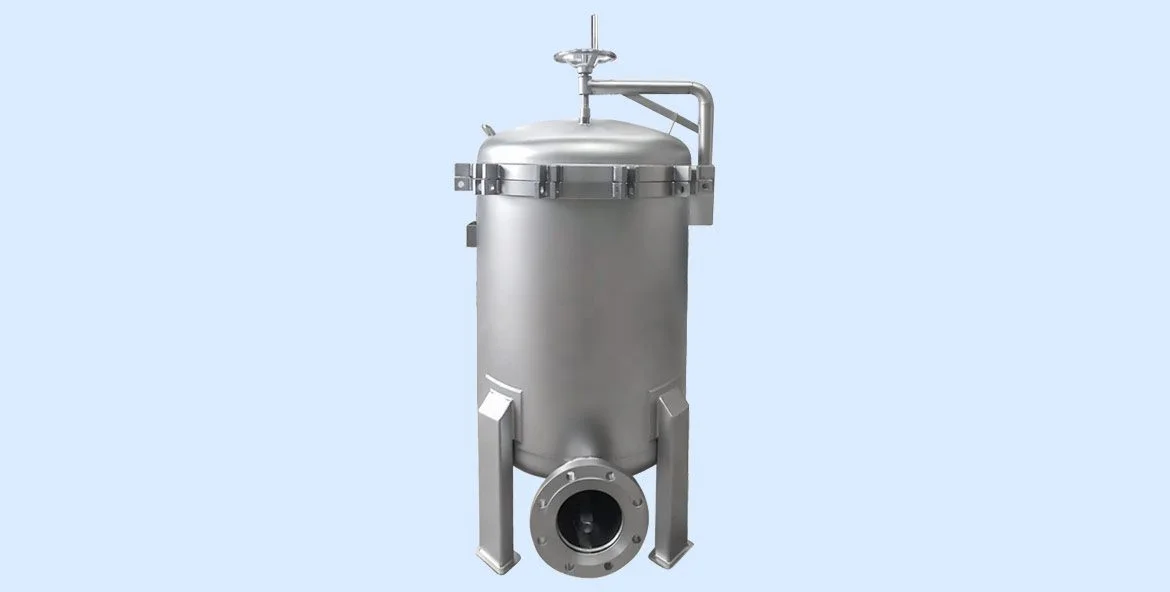
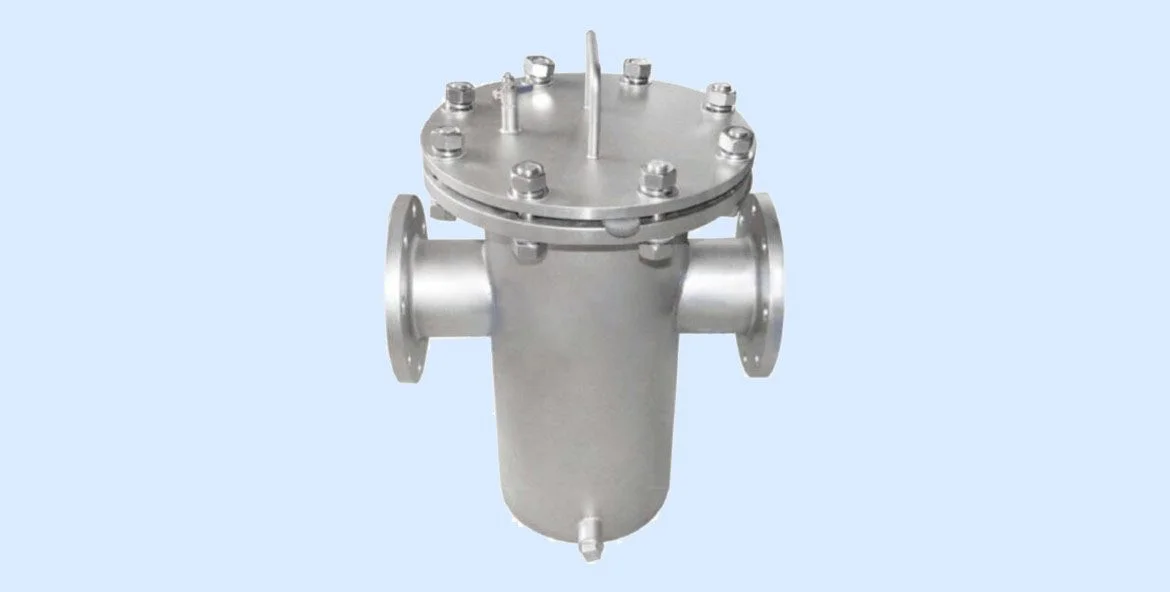
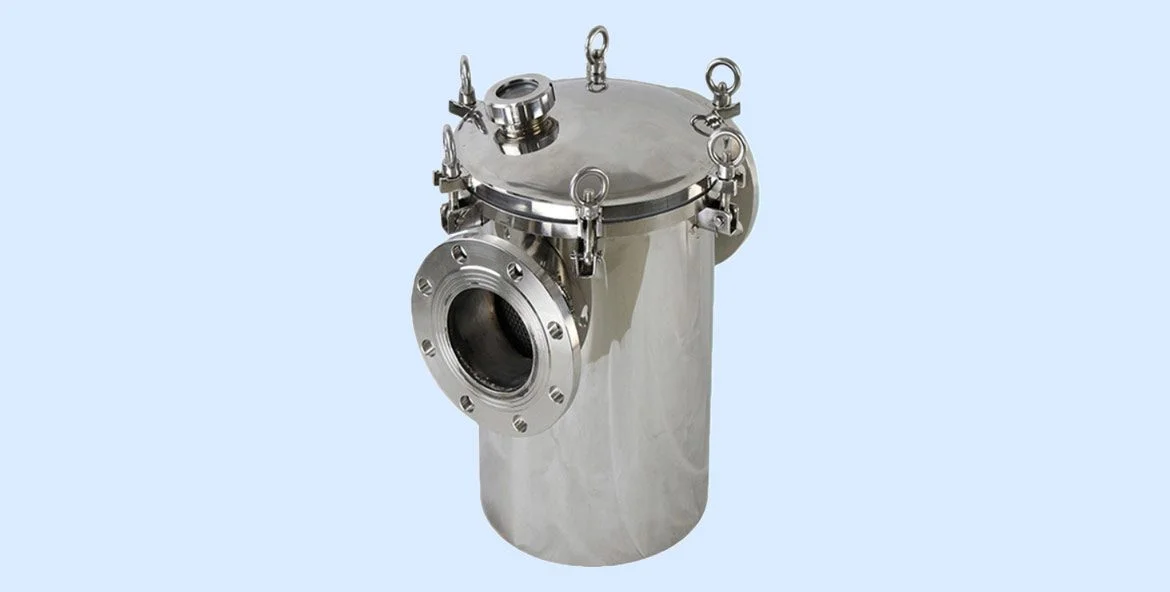
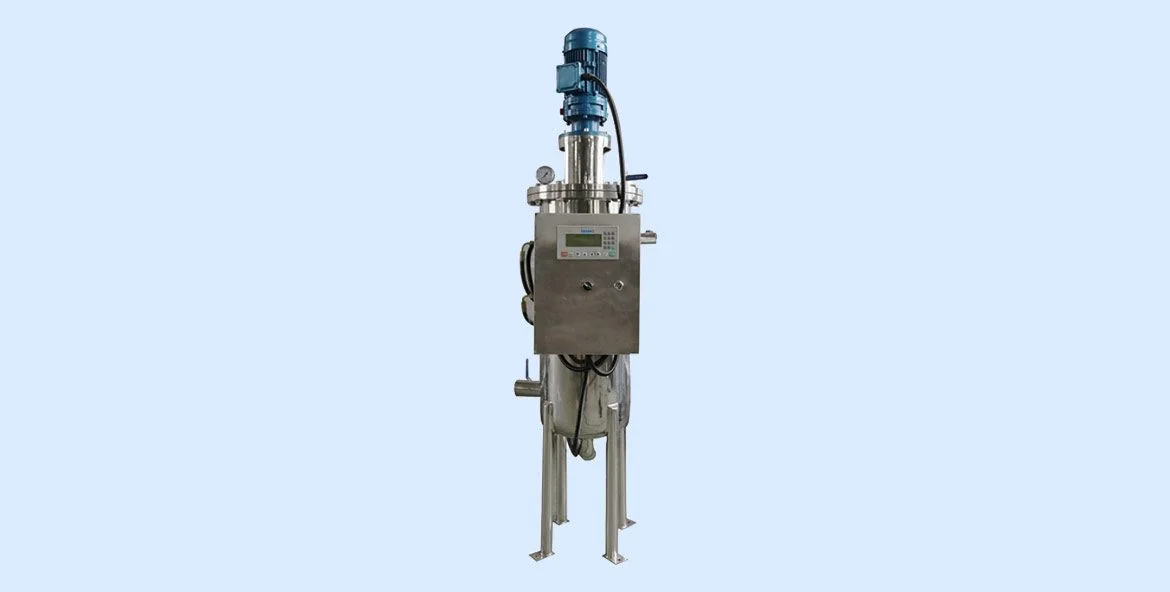
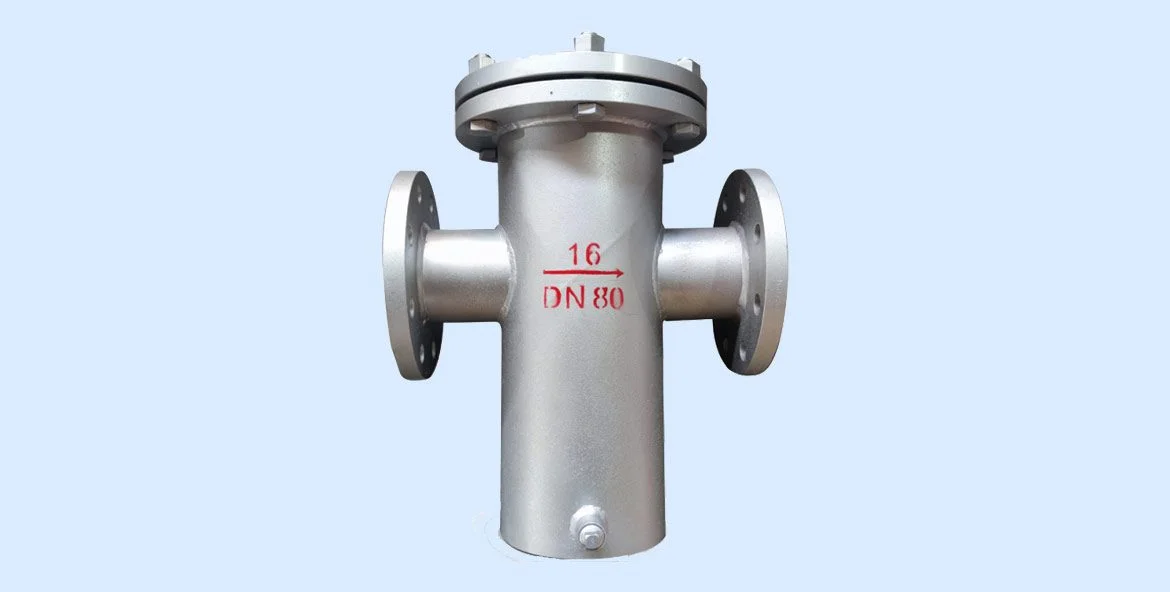
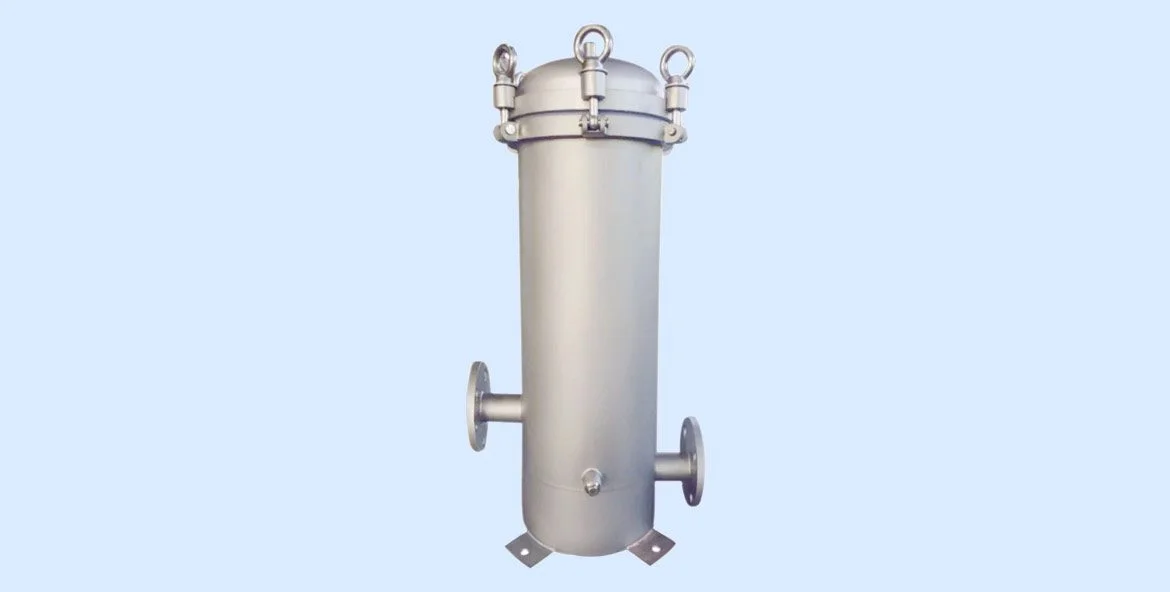
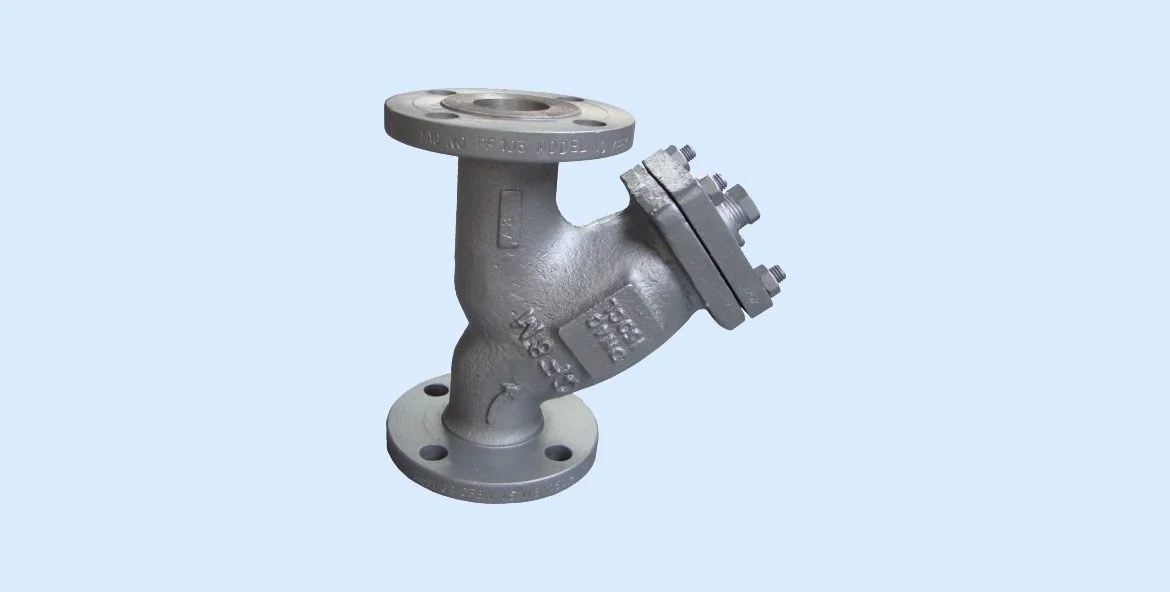
Duplex Strainer — Industrial Duplex Basket Strainer & Duplex Filter Housing Manufacturer in India
Duplex Strainer Overview — Industrial Duplex Filters for Continuous Operation
In most industrial plants, shutting down a line just to clean a filter is not an option — and that’s exactly where a duplex strainer proves its worth. This twin-chamber filtration assembly is engineered for continuous operation, allowing one housing to stay online while the other is serviced. It’s a design built around uptime — protecting pumps, valves, turbines, and downstream equipment in oil and gas, power generation, chemical, and water processing systems where uninterrupted flow is critical.
At its core, a duplex strainer consists of two interconnected housings joined by a precision-machined changeover valve. The operator can divert flow between the chambers with a simple turn of the handle — no shutdown, no pressure surge, no process interruption. Inside each housing sits a filter basket, typically fabricated from perforated stainless-steel plate lined with wire mesh to trap rust, scale, and particulates. As one basket loads up, flow is instantly switched to the clean side while maintenance crews pull, rinse, or backflush the fouled basket offline.
In actual operation, operators often notice that a well-sized duplex unit maintains steady differential pressure (ΔP) even at peak flow — a sign of proper media selection and flow geometry. These strainers are available in stainless steel, carbon steel, PVC, or FRP constructions, each suited to specific temperature, pressure, and corrosion conditions. Stainless steel models (SS304, SS316L) dominate in chemical and high-temperature service, while PVC and FRP variants perform best in corrosive or seawater environments.
Praimo Industrial Filters & Spares Manufacturing Company manufactures duplex strainers in full accordance with ASME and PED/CE design standards, incorporating hydrotest validation and material traceability (EN 10204 3.1). Every model is optimized for compact footprint, long service intervals, and robust mechanical reliability. For OEMs and EPC contractors, the result is a continuous-duty filtration solution with documented compliance, global export readiness, and proven lifecycle cost efficiency.
Internal Links: Industrial Strainer Overview | Basket Strainer | Duplex Filter Housing
How a Duplex Strainer Works — Working Principle
In everyday operation, a duplex strainer performs a simple but highly efficient function — maintaining continuous filtration through a twin-chamber design. The system consists of two parallel filter housings connected by a three-way or six-port valve. During normal operation, fluid flows through one chamber, where contaminants such as rust flakes, silt, or metal debris are trapped by the internal filter basket.
When that basket reaches its dirt-holding capacity, pressure differential begins to rise — typically the first sign for operators to switch chambers. By rotating the valve handle, flow is instantly diverted to the clean chamber while the loaded basket is removed, cleaned, or replaced. The switch takes only seconds, with zero process interruption. In continuous-duty systems such as hydraulic power packs, marine fuel loops, or cooling water networks, this design ensures uninterrupted protection of downstream components.
In some modern installations, the changeover valve is automated or pneumatically actuated, allowing remote operation or integration into control systems. This adds a further layer of safety, especially in high-pressure or hazardous fluid environments. The design fully complies with international codes such as ISO, ASME, and PED, maintaining operational reliability, safety, and fluid cleanliness standards across industries.
Internal Links: Duplex Filter Housing | Basket Strainer
Duplex vs. Simplex Strainer — Key Difference
The fundamental difference between a duplex strainer and a simplex strainer lies in continuity of operation. A simplex strainer, as the name suggests, has just one filtration chamber — when it’s time for cleaning, the system must be shut down. This setup works well in batch operations, auxiliary lines, or applications where occasional downtime is acceptable.
A duplex strainer, on the other hand, incorporates two filtration chambers connected by a switching valve, allowing one side to operate while the other is serviced. This capability keeps systems online continuously, avoiding the costly downtime associated with cleaning cycles.
Although duplex strainers have a higher initial investment, they deliver significant long-term savings through reduced maintenance frequency, extended service life, and stable process uptime. In high-availability environments — such as refineries, marine propulsion systems, and power generation plants — the duplex configuration is almost always the preferred choice.
Operators often note that once installed, these systems quickly pay for themselves through fewer shutdowns, stable ΔP performance, and lower total lifecycle costs.
Duplex Basket Strainer — Types, Materials, and Sizes
A duplex basket strainer is built for continuous-duty liquid filtration in demanding industrial systems. Each chamber holds a precision-fabricated basket that captures suspended solids, rust, and particulates from process fluids such as water, oil, or chemicals. When one basket reaches its dirt-holding capacity, the flow is diverted to the clean chamber, allowing operators to clean or replace the clogged basket without halting the process — a design that keeps production running smoothly around the clock.
In most installations, these strainers appear in inline, offset, right-angle, or compact twin-basket configurations, each suited to specific layout and pressure conditions. Inline models are favored in high-flow cooling water loops; right-angle or offset versions are common in tight mechanical rooms. Baskets are typically made from perforated metal sheets or multilayer wire mesh, chosen according to particle load and required micron rating. Pressure classes generally range from 10 to 25 bar, while large-diameter systems can handle flows exceeding 1000 m³/h.
Every duplex basket strainer manufactured by Praimo Industrial Filters & Spares Manufacturing Company is engineered to conform with ASME and PED/CE codes, complete with hydrostatic testing, weld verification, and full QA documentation for EPC or OEM submission. Built to deliver long service life and consistent pressure stability, these strainers combine mechanical strength with compact, operator-friendly design.
Materials and Surface Finish
Selecting the right material for a duplex basket strainer is crucial to long-term performance. Stainless steel grades SS304 and SS316L are standard choices for handling corrosive or high-temperature fluids, offering durability and cleanability in critical operations. Carbon steel remains a cost-efficient option for cooling water and general industrial service. For aggressive or non-metallic applications, PVC and FRP strainers provide exceptional resistance to acids, alkalis, and saline water — often outperforming metal alternatives in corrosive coastal or marine environments.
Each housing undergoes advanced surface treatments such as pickling, passivation, or electropolishing, which enhance corrosion resistance and cleanliness. For food, beverage, and pharmaceutical applications, mirror-polished finishes (Ra ≤ 0.8 µm) comply with FDA and 3-A sanitary standards. Where extra protection is needed, epoxy or PTFE coatings are applied to internal surfaces to extend service life under harsh conditions. In practice, operators often note that these surface finishes make a tangible difference in cleaning speed and residual buildup between cycles.
Size and Connection Standards
Duplex basket strainers are available in a wide range of standard sizes — typically from 2 inches to 12 inches (DN50–DN300) — with larger diameters supplied upon request. Flanged connections (ANSI, DIN, or JIS) are the most common for industrial service, while threaded and tri-clamp ends are popular in low-pressure or hygienic environments.
The filtration area and basket volume scale proportionally with size, maintaining low differential pressure (ΔP) even at high flow rates. Engineers can specify right-angle, top-entry, or jacketed configurations when thermal control or space optimization is required. Each strainer is hydrostatically tested and certified to meet customer specifications, ensuring reliable sealing, robust mechanical strength, and stable operation under continuous duty.
Duplex Filter Housing — Design Codes and Ratings
The duplex filter housing forms the structural heart of any continuous-duty filtration assembly. It’s where all the design precision, pressure integrity, and mechanical safety converge. Each housing consists of two robust pressure vessels interconnected by a changeover valve that directs flow between chambers—allowing one side to operate while the other undergoes maintenance.
These housings are built to perform reliably under sustained pressure and temperature cycling. Every unit is designed according to ASME Section VIII, Division 1 and PED 2014/68/EU standards, ensuring compliance for both domestic and export applications. The design incorporates corrosion allowances, radiographic weld inspection (when required), and proof testing. For operators and EPC engineers alike, these parameters translate directly into predictable performance, safety assurance, and documentation traceability.
Typical construction materials include stainless steel (SS304 or SS316L) for corrosion resistance, carbon steel for utility service, and Duplex SS for high-pressure, chloride-rich environments. Depending on the medium and location, non-metallic options such as PVC and FRP are also used. Praimo Industrial Filters & Spares Manufacturing Company applies pickled, passivated, or epoxy-coated finishes, tailoring corrosion protection to each process condition.
Each housing undergoes a hydrostatic test at 1.5× the design pressure, verifying weld and shell integrity before delivery. Optional third-party inspection (TÜV, Lloyd’s, or BV) can be provided for projects requiring independent certification. The result is a pressure-rated duplex housing with full traceability, compliance, and long-term operational safety—ready for industrial, marine, or offshore duty.
Pressure and Temperature Ratings
Duplex filter housings are available in multiple pressure classes, most commonly 10 bar and 25 bar, with special designs reaching beyond 40 bar for hydraulic or fuel systems. Operating temperatures range from -20°C to 180°C for metallic housings, and up to 60°C for PVC or FRP models.
Each unit is subjected to hydrotesting at 1.5 times the design pressure, confirming leak-free performance under real-world conditions. Gasket materials are chosen to suit the medium—EPDM for water and mild chemicals, Viton for hydrocarbons, and PTFE where aggressive chemicals or high heat are involved. These choices help maintain sealing integrity even during temperature fluctuations or extended service cycles.
In actual plant environments, operators often observe that properly matched gasket and material combinations significantly reduce unplanned maintenance and leakage incidents—a small detail that carries major reliability benefits over years of operation.
End Connections and Changeover Mechanisms
End connection design has a direct impact on installation flexibility and flow alignment. Most duplex filter housings come with flanged connections (ANSI, DIN, or JIS) for industrial duty. Smaller units for compact systems may use threaded BSP/NPT ends, while tri-clamp or sanitary ferrule connections are applied in hygienic environments.
The changeover mechanism—a three-way ball valve, butterfly valve, or six-port plug valve—is the defining component that enables uninterrupted operation. In larger assemblies, Praimo integrates davit arms and quick-open covers to facilitate maintenance without lifting gear. For automation-driven systems, the housings can be supplied with actuated valve assemblies that integrate into plant PLC controls for remote switching and alarm signaling.
Engineers who maintain these systems often emphasize one practical truth: a well-designed valve assembly is what separates a smooth-running duplex unit from one that frequently leaks or jams. Praimo’s housings are engineered with tight valve tolerances, ensuring effortless actuation and long-term sealing performance even under fluctuating loads.
Stainless Steel Duplex Strainer — Hygienic and Industrial Grades
A stainless steel duplex strainer is purpose-built for industries where both hygiene and durability are non-negotiable. In food, pharma, and biotech lines—where the smallest impurity can halt production—these strainers deliver continuous filtration without sacrificing sanitation. Constructed from SS304 or SS316L, they combine the mechanical strength needed for industrial duty with the surface purity required for hygienic processing.
The two-chamber layout allows one housing to remain online while the other is serviced, which is particularly valuable in beverage filling lines, clean-in-place (CIP) systems, and solvent recovery circuits that run around the clock. Operators can switch flow instantly between chambers without opening pipework or risking contamination—a major benefit in validated production environments.
Each stainless-steel duplex strainer produced by Praimo Industrial Filters & Spares Manufacturing Company undergoes a sequence of pickling, passivation, and electropolishing steps. These treatments not only enhance corrosion resistance but also create a smooth, contamination-free surface that resists microbial growth and fouling. For sanitary installations, finishes as fine as Ra ≤ 0.8 μm are standard, enabling full compatibility with CIP (Clean-in-Place) and SIP (Steam-in-Place) cycles.
In actual plant operation, engineers often note that properly finished internal surfaces significantly reduce cleaning time and detergent consumption—small gains that compound over hundreds of production cycles.
Each unit is manufactured to ASME, PED/CE, and FDA 21 CFR requirements, and every material trace is documented through EN 10204 3.1 certificates. Optional upgrades include mirror-polished interiors, PTFE or fluoropolymer coatings, and validation-ready QA documentation packages. Designed for both hygienic and heavy industrial duty, Praimo’s stainless steel duplex strainers consistently maintain low differential pressure, stable flow, and long service intervals, even in aggressive process conditions.
Duplex Oil Strainer — Fuel and Lube Systems
In oil-handling systems, reliability starts with clean fluid. A duplex oil strainer is designed precisely for that purpose—providing continuous filtration in fuel and lubricating oil circuits where viscosity, temperature, and cleanliness directly influence mechanical performance. The dual-chamber layout allows one filter to stay online while the other is serviced, keeping pumps, turbines, compressors, and hydraulic actuators running without interruption.
This configuration is indispensable in power plants, marine propulsion systems, and oil & gas installations, where a momentary lapse in filtration can result in costly equipment wear or shutdowns. Each unit is engineered to handle oils of varying viscosities and temperatures—typically up to 150°C and 25 bar pressure—without compromising flow stability or filtration accuracy.
The filter baskets are built from stainless steel or carbon steel perforated cores lined with fine wire mesh, offering precise particle retention between 25 µm and 500 µm, depending on the system’s cleanliness target. The internal flow path is optimized to minimize differential pressure (ΔP), maintaining stable ISO 4406 cleanliness levels across lubricating and hydraulic systems. In practice, this translates to fewer filter cleanouts, more predictable maintenance intervals, and longer bearing and seal life.
Each duplex oil strainer manufactured by Praimo Industrial Filters & Spares Manufacturing Company adheres to ASME and PED/CE design standards, ensuring both safety and documentation readiness for EPC and OEM integration. Optional features include magnetic inserts for ferrous particle capture, heating jackets for high-viscosity fluids, and differential pressure gauges for real-time monitoring.
Operators often remark that these add-ons transform a basic oil strainer into a diagnostic tool—providing early warning before varnish buildup or pump cavitation can occur. The result: extended oil service life, reduced OPEX, and smoother system operation across demanding industrial and marine environments.
Duplex Y Strainer — When and Why to Specify
A duplex Y strainer is the go-to solution for installations where space is limited or where line geometry demands a compact filtration body. It merges the continuous-operation function of a duplex system with the angled-body design of a Y-type filter, creating a hybrid well suited for cooling water, condensate, fuel oil, and chemical feed lines—especially where debris load is moderate and footprint is tight.
The Y-pattern housing promotes a smooth, tangential flow path that reduces pressure drop (ΔP) and turbulence compared with inline basket strainers. In duplex form, one chamber remains online while the other is cleaned, providing non-stop filtration even in confined vertical or skid-mounted systems. Because of its smaller dirt-holding capacity, the Y configuration is typically installed upstream of sensitive equipment or downstream of coarse filters as a secondary safeguard.
From a design standpoint, engineers weigh the debris load, available maintenance clearance, and permissible ΔP when choosing between a duplex Y and a duplex basket strainer. Y-type units excel where compactness and self-draining geometry are priorities—such as condensate return loops or high-velocity cooling lines—while basket strainers dominate in viscous or heavy-solid services. Both designs can be built in stainless steel, carbon steel, or bronze, with each pressure-tested to ASME Section VIII and PED/CE requirements before dispatch.
In practice, operators often prefer the duplex Y strainer for systems that can’t afford downtime but also can’t accommodate bulky housings. It’s a compact, maintenance-friendly compromise that delivers continuous protection without compromising flow dynamics or accessibility.
Technical Performance and Curves — ΔP vs Flow | Filtration Efficiency
The true measure of a duplex strainer’s performance lies not in its appearance but in how it handles flow, pressure, and particle retention under real operating conditions. Engineers pay close attention to three parameters above all: differential pressure (ΔP), flow coefficient (Cv), and filtration efficiency. Together, these determine how effectively the system balances clean flow with minimal energy loss.
At the heart of performance analysis is the ΔP vs flow curve. As liquid passes through the filter basket, contaminants accumulate on the mesh, increasing resistance and causing a gradual rise in differential pressure. A well-engineered duplex strainer is designed to maintain a stable ΔP across its duty cycle, preventing pump overload or cavitation. In clean-basket conditions, pressure drops typically fall within 0.03–0.05 bar, climbing to about 0.3 bar when baskets reach full dirt load. In practice, this slow pressure increase allows operators ample time to switch chambers and clean the fouled basket without process interruption.
Praimo Industrial Filters & Spares Manufacturing Company optimizes this behavior by designing large-volume baskets with smooth internal transitions, which reduce turbulence and maintain laminar flow through both chambers. This geometry improves hydraulic efficiency and helps the strainer sustain consistent ΔP values even under varying flow conditions.
Filtration performance depends heavily on mesh or micron selection.
- Coarse baskets (500–1000 µm) are used for cooling water, utilities, and seawater intake lines.
- Medium meshes (100–250 µm) serve general process duties in oil and gas systems.
- Fine filtration (25–100 µm) targets hydraulic and lube oil circuits.
- For high-purity or precision applications, multilayer wire mesh or sintered media inserts can achieve ≤5 µm filtration.
To extend service life, Praimo reinforces its baskets with rigid support rings and deep-body construction—an approach that maximizes dirt-holding capacity and reduces maintenance frequency. Each model undergoes validation on in-house test rigs, where performance curves are plotted under controlled flow, viscosity, and contamination conditions. These empirical ΔP–flow charts give design engineers dependable data for sizing, selection, and energy optimization.
In most real-world applications, this level of predictability translates directly to lower operating costs, smoother system dynamics, and fewer unplanned shutdowns—a small engineering detail that makes a substantial operational difference.
Screens, Baskets, and Media — Mesh, Perforation, and Wedge Wire
In any duplex strainer, the baskets are far more than just consumable inserts—they are precision-engineered components that directly determine how efficiently the system performs over time. Each basket acts as the first line of defense against particulate contamination, and its construction defines both filtration accuracy and mechanical durability.
Typically, each basket consists of a perforated metal core—often stainless steel—lined with a secondary wire mesh or wedge wire screen. This layered approach combines rigidity and precision: the perforated core provides structural strength, while the mesh layer captures finer particulates that would otherwise bypass through the perforations. In properly designed systems, this configuration maintains steady flow and differential pressure (ΔP) over extended service intervals, even under high solids loading.
For general-purpose duties—cooling water, oil, or chemical streams—the baskets commonly use 2–6 mm perforations reinforced with mesh liners rated between 25 and 1000 microns. This range accommodates both coarse and fine filtration without compromising flow rate. For high-viscosity fluids or heavy solids applications, wedge wire baskets are the preferred choice. Their V-shaped wire profile minimizes clogging, resists deformation, and allows for backwashing or ultrasonic cleaning, significantly extending basket life.
Engineers often note that even minor design refinements—such as smooth weld transitions or deeper basket geometry—can reduce turbulence and extend cleaning intervals substantially. For specialized duties, baskets can be fitted with magnetic inserts for ferrous debris removal or double-layer mesh assemblies for precision filtration under dynamic loading.
Praimo Industrial Filters & Spares Manufacturing Company fabricates both standard and custom replacement baskets suitable for most global duplex strainer brands. Units can be manufactured in SS304, SS316L, Duplex stainless steel, or Monel, with optional epoxy or PTFE coatings for aggressive or seawater environments. Each basket is subject to weld integrity testing, visual inspection, and dimensional verification to ensure leak-free fitment and consistent mechanical strength.
In short, while the duplex strainer body provides structure, it’s the basket design and media selection that dictate real-world filtration performance, uptime, and maintenance cost over the equipment’s lifecycle.
Materials Selection — SS304/316L, Duplex SS, PVC/UPVC, and FRP
Choosing the right material of construction is one of the most important engineering decisions in duplex strainer design. The material directly impacts corrosion resistance, temperature tolerance, mechanical strength, and overall service life. No single alloy or polymer fits all conditions — the goal is always to balance cost, durability, and compatibility with the process fluid.
Stainless steels (SS304 and SS316L) remain the workhorses of industrial filtration. They combine strength and weldability with reliable resistance to oxidation and most process chemicals. SS304 performs well in neutral media, while SS316L, with added molybdenum, excels in chloride-rich, acidic, or solvent-bearing environments. Its superior pitting resistance makes it the go-to choice for marine systems, chemical plants, and high-purity processes. These materials also retain mechanical stability up to 180 °C, providing confidence under both temperature and pressure fluctuations.
For more aggressive duties, Duplex stainless steels (grades 2205 and 2507) offer a step change in performance. Their dual-phase microstructure provides high tensile strength along with exceptional resistance to stress corrosion cracking and seawater attack. In real installations—like offshore oil platforms and desalination skids—Duplex alloys routinely outperform standard stainless steels, especially where cyclic pressure and chloride exposure are constant.
When metal isn’t ideal, PVC and UPVC provide an economical and lightweight alternative. They perform best in ambient-temperature, low-pressure systems such as cooling water loops, RO pre-filtration, and chemical dosing lines. Non-conductive and inherently corrosion-proof, these plastics simplify installation and maintenance. For harsher conditions, FRP (Fiberglass Reinforced Plastic) delivers an impressive blend of chemical resistance, dimensional stability, and long-term mechanical strength. FRP housings thrive in acidic or seawater service, often outlasting metal units at a fraction of the maintenance cost.
Praimo Industrial Filters & Spares Manufacturing Company helps engineers navigate this selection process through detailed material compatibility matrices and regulatory mapping. Every duplex strainer can be supplied with ASME or PED/CE compliance documentation and EN 10204 3.1 material certificates, ensuring that the final build meets both the technical and safety standards demanded by EPCs and global operators.
In the field, correct material pairing is more than a design checkbox — it’s what determines whether a filtration system runs reliably for ten years or fails prematurely under corrosion stress.
Regulatory and Compliance Standards — ASME, PED/CE, ISO, and FDA
Every duplex strainer produced by Praimo Industrial Filters & Spares Manufacturing Company is built to meet internationally recognized pressure vessel and hygienic design codes. Compliance isn’t just a checkbox—it ensures that each unit leaving the factory can operate safely, be traced across its service life, and pass inspection in global markets without revalidation.
All pressure-retaining parts are designed and tested in line with ASME Section VIII, Division 1, which governs wall thickness, weld quality, and hydrostatic proof testing. For European clients, Praimo conforms to PED 2014/68/EU, ensuring full compatibility with CE-marked systems. Depending on the risk category, each unit is either manufactured under SEP (Sound Engineering Practice) or formally CE-certified, complete with a Declaration of Conformity and engraved identification nameplate. Supporting documentation includes EN 10204 3.1 material test certificates, verifying that all wetted components match specified alloy grades and heat numbers.
In regulated process industries—such as pharmaceuticals, biotechnology, and food & beverage—Praimo’s hygienic-grade duplex strainers also comply with FDA 21 CFR 177 material requirements. Systems can be supplied with ISO 9001:2015 quality management and GMP-compliant documentation, covering material traceability, surface roughness validation, and elastomer compatibility. For customers requiring deep sanitation assurance, surfaces and seals may be tested for extractables and leachables to verify purity in contact with product streams.
For more complex or hazardous installations, optional third-party and regional certifications are offered:
- CE/PED Category II & III (with notified-body approval)
- ATEX Zone 2 compliance for explosive atmospheres
- Marine classification certificates (TÜV, Lloyd’s Register, Bureau Veritas)
All these compliance elements are backed by complete design, inspection, and hydrotest records, enabling traceability throughout the strainer’s lifecycle. This documentation package simplifies QA audits and provides peace of mind to EPCs, OEMs, and end-users operating in tightly regulated global markets.
Applications and Industries — Water, Fuel, Chemicals, and Utilities
Duplex strainers are integral components across industries that demand continuous operation, equipment protection, and minimal maintenance. Their dual-chamber configuration—allowing one side to filter while the other is cleaned—makes them essential in water treatment, fuel oil, chemical, and general utility systems where uptime and reliability drive productivity.
In water treatment and cooling water loops, duplex water strainers remove sand, rust, algae, and suspended solids before they reach pumps, valves, or heat exchangers. These systems typically operate between 6–10 bar and handle high flow rates with minimal pressure loss. Housings are often constructed from stainless steel or FRP, using 100–500 µm baskets to ensure smooth operation in open- or closed-loop cooling circuits. Field technicians often note that properly sized strainers reduce descaling frequency and extend exchanger cleaning intervals significantly.
In fuel oil and lubrication systems, continuous filtration ensures a clean, stable supply to engines, turbines, and compressors. Duplex strainers in this category are commonly built from SS316L or carbon steel, capable of handling temperatures up to 150°C. Fine-mesh baskets in the 25–100 µm range help control varnish, soot, and abrasive particles—maintaining target ISO 4406 cleanliness levels and extending component life.
Within chemical and process plants, duplex strainers protect reactors, instrumentation, and control valves from scaling, catalyst dust, or polymeric residue. The use of SS316L, Duplex stainless steel, or PTFE-lined carbon steel ensures compatibility with solvents, acids, and corrosive process fluids. For systems with aggressive chemical profiles, engineers often specify electropolished internals or fluoropolymer linings for additional protection.
Finally, in utility and general service lines—including condensate, chilled water, and process return circuits—compact duplex units provide high flow efficiency with minimal differential pressure. These installations benefit from quick-change covers and integrated drain/vent assemblies for easy maintenance.
Each strainer manufactured by Praimo Industrial Filters & Spares Manufacturing Company is application-engineered to optimize reliability, minimize energy losses, and meet customer-specific duty parameters. Every design is validated through in-house CFD modeling and pressure testing, ensuring the ideal balance between filtration efficiency and flow performance across industrial, commercial, and export applications.
Selection Guide — Sizing, Micron Rating, and ΔP Budget
Correct sizing and selection of a duplex strainer determine not just its filtration performance but also its energy efficiency and maintenance frequency. An undersized or mismatched strainer can increase differential pressure (ΔP), cause pump strain, and shorten basket life. Praimo Industrial Filters & Spares Manufacturing Company follows a structured engineering process that helps design teams specify the ideal configuration for every process condition.
Step 1 — Determine Flow Rate and Line Size
Begin with the maximum continuous flow rate (Q), expressed in m³/h or L/min. The selected strainer should typically operate at 60–80% of its rated capacity to maintain a safety margin and allow for dirt accumulation without excessive pressure rise. As a rule of thumb, the line size should match or slightly exceed the pipeline’s internal diameter to minimize velocity-induced losses.
In practice, engineers often find that keeping fluid velocity below 1.5–2.0 m/s through the basket section helps maintain laminar flow and avoids early fouling—particularly in viscous or oil-based systems.
Step 2 — Select Micron Rating
The micron rating defines how fine the strainer’s filtration will be, depending on both contaminant size and downstream equipment sensitivity.
- Coarse filtration (200–1000 µm) → For cooling water, general service, and utility systems.
- Medium filtration (50–200 µm) → For lubricating oil, hydraulic circuits, and general process streams.
- Fine filtration (5–50 µm) → For chemical, solvent, and high-purity applications.
Praimo offers baskets in multilayer wire mesh, sintered media, and pleated insert designs to achieve these ratings with stable ΔP–flow curves. In the field, operators often observe that shifting from single-layer to multilayer baskets doubles run time before the first cleaning interval—a small change that greatly improves system uptime.
Step 3 — Evaluate Pressure Drop (ΔP)
Once flow and micron rating are defined, evaluate the pressure drop. Manufacturers typically supply performance curves, but the following relationship can be used for quick estimation:
ΔP=K×(QCv)2\Delta P = K \times \left(\frac{Q}{C_v}\right)^2ΔP=K×(CvQ)2
Where:
- ΔP = differential pressure (bar)
- Q = flow rate
- Cᵥ = flow coefficient (depends on basket geometry)
- K = correction factor for viscosity and media density
A clean basket should exhibit an initial ΔP below 0.05 bar, increasing to 0.3 bar at full dirt load. To reduce losses further, engineers may select oversized baskets, tapered inlets, or wedge wire elements, which promote smoother flow through the chamber.
Step 4 — Confirm Operating Parameters
Finally, confirm that all materials and sealing components align with the system’s pressure, temperature, and viscosity limits. Duplex models equipped with three-way or butterfly valves allow true continuous operation—one chamber filtering while the other is cleaned.
Every system designed by Praimo Industrial Filters & Spares Manufacturing Company undergoes CFD-based ΔP simulation and is validated for compliance with ASME and PED standards. This ensures the chosen configuration provides optimal filtration efficiency, minimal energy loss, and zero unplanned downtime over its operational life.
Comparisons — Duplex Strainer vs Self-Cleaning, Cartridge, and Bag Filters
Selecting between a duplex strainer, a self-cleaning filter, or cartridge/bag filtration systems isn’t simply about initial cost — it’s about balancing solids load, uptime demands, maintenance complexity, and lifecycle cost (OPEX). Each technology excels under different operating conditions, and choosing the right one determines long-term process reliability.
A duplex strainer suits medium-to-high flow systems that must run continuously but don’t require the automation cost of a self-cleaning unit. Its dual-chamber design allows one side to stay online while the other is cleaned, with no electrical or pneumatic actuation required. This makes it an excellent choice for cooling water, lubricating oil, and chemical transfer circuits, where debris levels are moderate and maintenance crews are available to switch chambers periodically.
By contrast, a self-cleaning filter operates autonomously. It uses mechanical scraping or reverse backwashing to remove collected solids while staying online. It’s the preferred option for high-contamination streams, critical utilities, or unmanned installations where downtime is unacceptable. However, its higher CAPEX and energy use can be difficult to justify in low-solid or intermittent service.
Cartridge and bag filters provide fine or absolute filtration down to 1 µm, making them ideal for final polishing after coarse filtration. These are standard in pharmaceutical, food & beverage, and ultrapure water systems, where high purity matters more than continuous duty. The trade-off is higher consumable costs due to regular element replacements and downtime during changeout.
Here’s a simplified comparison often used during design reviews:
| Parameter | Duplex Strainer | Self-Cleaning Filter | Cartridge / Bag Filter |
|---|---|---|---|
| Flow Continuity | Continuous (manual switch) | Fully automatic | Intermittent (requires shutdown) |
| Filtration Range | 25–1000 µm | 25–1000 µm | 0.2–100 µm |
| Maintenance | Manual basket cleaning | Automatic backwash | Element replacement |
| CAPEX | Low to Medium | High | Low |
| OPEX | Low | Low to Medium | High (consumables) |
| Ideal For | Cooling water, lube oil, utilities | High-solids, critical duty | Final filtration, polishing |
In real-world applications, maintenance teams often prefer duplex strainers for their simplicity, ease of inspection, and predictable service intervals, while automation-heavy plants lean toward self-cleaning filters for zero-touch operation.
Praimo Industrial Filters & Spares Manufacturing Company manufactures all three technologies — duplex, self-cleaning, and cartridge/bag systems — under one roof. This enables engineers and procurement teams to evaluate lifecycle costs, compliance requirements, and process integration side-by-side, ensuring the filtration solution is not only effective but optimized for long-term plant economics.
Lifecycle Cost and ROI — Downtime, Media, and Maintenance
When engineers evaluate filtration systems, the conversation often shifts from price tags to total cost of ownership (TCO). A duplex strainer, while modest in its initial investment, delivers exceptional long-term value by reducing downtime, lowering maintenance overhead, and maintaining stable flow efficiency throughout its service life.
Unlike single-basket or simplex filters that require full system shutdowns for cleaning, a duplex strainer’s dual-chamber design allows operators to keep one side filtering while the other is serviced. In continuous-duty environments—such as cooling water loops, lube oil circuits, and process feed lines—this means uninterrupted operation. Even avoiding a few minutes of downtime per cycle can translate into tens of thousands of rupees or dollars saved annually. Over several years, that difference compounds into measurable ROI.
Maintenance efficiency adds another dimension to the cost advantage. The reusable stainless-steel baskets employed in most duplex units can last for years with proper cleaning and inspection. Unlike cartridge or bag filters that require regular replacements, these baskets are simply removed, rinsed, and reinstalled—cutting consumable expenses and minimizing waste. Quick-open covers and accessible valve layouts also allow in-house maintenance teams to complete servicing within minutes instead of hours, further reducing labor costs.
Energy efficiency is the third component of lifecycle value. Because a well-designed duplex strainer maintains an initial ΔP below 0.05 bar, pump energy consumption remains minimal. Lower resistance across the filter means less motor load, less heat generation, and ultimately, lower electricity use. Over time, this consistent hydraulic efficiency contributes directly to operational savings and sustainability metrics.
Praimo Industrial Filters & Spares Manufacturing Company provides ROI assessment tools and lifecycle cost analysis models to help procurement and project teams evaluate the long-term economic benefits of duplex strainers. These analyses typically reveal that, despite slightly higher upfront costs, the combination of continuous uptime, reusable media, and low power consumption makes the duplex configuration one of the most cost-effective and environmentally responsible filtration solutions for large-scale industrial systems.
Installation and Commissioning — P&ID, Orientation, and Bypass
The installation and commissioning phase of a duplex strainer has a direct impact on its operational reliability and maintenance life. Even the most precisely fabricated unit will underperform if poorly oriented or incorrectly piped. Following best engineering practices during layout, alignment, and instrumentation setup ensures steady flow, predictable ΔP readings, and long-term mechanical integrity.
In a standard P&ID (Piping and Instrumentation Diagram), the duplex strainer is symbolized by two parallel filter housings joined through a three-way or six-port changeover valve. It’s positioned upstream of pumps, control valves, heat exchangers, or metering instruments to capture debris before it reaches critical equipment. To facilitate safe maintenance and startup/shutdown operations, the installation should include inlet and outlet isolation valves, along with vent and drain points for basket cleaning and air removal.
Orientation is another key design factor. Most systems adopt horizontal flow configurations, which simplify basket removal and valve access in large-diameter lines. Vertical installations are chosen when floor space is limited or where gravity-assisted draining is required—common in compact skid systems or shipboard setups. Regardless of orientation, the strainer assembly must be well supported to prevent mechanical strain on the valve assembly and precisely aligned with the piping flanges to avoid gasket misalignment or long-term fatigue.
For process monitoring, engineers typically specify differential pressure gauges or transmitters across the inlet and outlet ports. These instruments provide real-time visibility into basket condition, allowing operators to plan cleaning intervals before reaching the maximum allowable ΔP. In high-availability circuits, a bypass line can be included to maintain temporary flow during service or valve maintenance—ensuring no process interruption even in emergency situations.
Praimo Industrial Filters & Spares Manufacturing Company supplies detailed installation manuals, P&ID templates, and orientation diagrams to guide EPC engineers, OEMs, and maintenance teams through commissioning. By adhering to these guidelines, operators can achieve consistent filtration performance, safer maintenance cycles, and longer service intervals from the very first day of operation.
Maintenance and Troubleshooting — ΔP, Leakage, and Bypass
Long-term performance of a duplex strainer depends heavily on consistent maintenance practices and early detection of issues that can compromise flow or sealing integrity. Regular inspection, cleaning, and gasket replacement not only prevent unplanned shutdowns but also preserve the unit’s hydraulic efficiency and service life.
The most reliable maintenance indicator is differential pressure (ΔP). Under normal operation, clean baskets maintain a ΔP below 0.05 bar; once readings rise above 0.25–0.3 bar, it signals partial clogging. At this point, the operator should switch the changeover valve to isolate the fouled chamber, remove the basket, and clean it using compressed air, backflushing, or ultrasonic cleaning, depending on the contaminant profile. Regular monitoring of ΔP trends also helps identify process upsets such as sudden contamination surges or incorrect basket ratings.
Valve condition plays an equally critical role in performance. A sluggish or misaligned valve can cause internal leakage or bypass, allowing unfiltered media to reach downstream equipment. Periodic checks ensure smooth actuation and confirm that the sealing ports are properly aligned. Technicians are encouraged to lubricate valve stems, hinge bolts, and handles at regular intervals to minimize wear and prevent galling—especially in stainless-steel assemblies exposed to temperature cycling.
Leakage is most commonly linked to worn or incompatible gasket materials. Replacing seals with the correct compound—EPDM for water service, Viton for hydrocarbons, and PTFE for corrosive or high-temperature fluids—restores full tightness and prevents cross-contamination. It’s also good practice to inspect the basket seating edges and sealing grooves for pitting or debris buildup before reassembly.
For systems that operate under continuous or variable load, installing a bypass loop allows uninterrupted flow even while both chambers are being serviced. This arrangement is particularly valuable in cooling, lubrication, and fuel circuits where flow continuity is mission-critical.
Praimo Industrial Filters & Spares Manufacturing Company advises maintaining a documented preventive maintenance schedule that includes:
- ΔP log sheets for trend analysis
- Routine seal and gasket replacement intervals
- Valve inspection and lubrication records
Following this structured maintenance approach ensures stable operation, compliance with ISO and ASME maintenance standards, and reduced life-cycle costs through predictable service planning.
Spares and Replacements — Baskets, Seals, and Valves
In continuous-duty operations, spares management isn’t just a maintenance practice—it’s part of the reliability strategy. A well-stocked inventory of baskets, seals, and valve components ensures that duplex strainers remain fully operational even during unscheduled service intervals. For industries such as power generation, marine, petrochemical, and chemical processing, quick access to spares can mean the difference between a smooth restart and hours of costly downtime.
Filter baskets are the components most frequently serviced or replaced. Over time, repeated cleaning, thermal cycling, and exposure to abrasive particulates can weaken weld seams or deform mesh layers. Replacement baskets are available in stainless steel (SS304 or SS316L) and Duplex alloys, fabricated in perforated, wire mesh, or wedge wire constructions. Each basket is precision-built to match the original geometry, flow profile, and pressure class, ensuring seamless integration into the existing housing. Praimo Industrial Filters & Spares Manufacturing Company supplies both standard and custom-engineered replacements compatible with most OEM designs—eliminating the need for full housing replacement when only the basket is worn or damaged.
Next come seals and gaskets, which safeguard the strainer’s leak-tight integrity. Over time, these elastomers degrade under temperature cycling or chemical attack, leading to bypass or minor leakage. The correct material choice prevents premature failure:
- EPDM for water and mild chemicals
- Viton (FKM) for hydrocarbon and fuel systems
- PTFE for corrosive or high-temperature service
Maintaining a ready inventory of gasket sets, valve O-rings, and sealing kits ensures quick turnaround during shutdowns or preventive maintenance.
Valves and actuation assemblies—including butterfly, ball, and plug valves—also require routine inspection. Internal seals, bearings, and seating rings eventually wear and can be easily replaced using OEM-compatible kits. Praimo provides complete valve assemblies, spare part kits, and rapid-dispatch MRO support to minimize downtime and maintain consistent operational performance.
By standardizing spare inventories and using components with interchangeable part numbers, operators streamline procurement, reduce storage complexity, and significantly extend system life. In practice, this approach transforms reactive maintenance into a predictive one—keeping filtration systems ready, reliable, and compliant with plant availability targets.
Quality Assurance — Inspection, Hydrotest, and Traceability
Quality assurance is at the heart of Praimo Industrial Filters & Spares Manufacturing Company’s engineering philosophy. Every duplex strainer undergoes a rigorous, multi-stage inspection process designed to guarantee safety, compliance, and consistent performance under demanding industrial conditions. From the first material certificate to the final dispatch, each stage is documented and traceable—ensuring total transparency for EPC contractors, OEMs, and plant operators alike.
All pressure-retaining components are hydrostatically tested at 1.5× the design pressure to confirm weld integrity, joint strength, and shell soundness. During testing, certified QA inspectors monitor each unit to verify that no deformation, leakage, or pressure decay occurs. Test results are recorded and archived as part of the equipment’s permanent QA dossier, with hydrotest certificates included in the final documentation package.
Where critical applications demand deeper inspection, non-destructive testing (NDT) techniques—such as radiography (RT), dye penetrant inspection (DPI), or ultrasonic testing (UT)—are employed. These methods confirm weld soundness, dimensional accuracy, and material uniformity, ensuring the strainer’s pressure envelope meets ASME, PED/CE, and ISO 9001:2015 compliance standards.
Every component used in the fabrication process is fully traceable through EN 10204 3.1 material certificates, which detail chemical composition, mechanical properties, and heat numbers. For stainless steel and alloy components, Positive Material Identification (PMI) is performed to verify alloy grade before fabrication and assembly—an essential step for process-critical and export-bound units.
Prior to shipment, a Factory Acceptance Test (FAT) validates operational readiness. This includes pressure verification, valve alignment checks, dimensional inspection, and surface finish review. For large-scale or international projects, third-party witness testing (TÜV, Lloyd’s Register, Bureau Veritas) can be arranged to independently confirm compliance with global engineering standards.
These layered QA processes underscore Praimo’s reputation for engineering integrity and documentation excellence. Customers receive not just a product but a complete certification portfolio that satisfies both internal QA departments and external regulatory audits—ensuring every duplex strainer performs precisely as designed, safely and reliably, from day one.
Case Studies — Duplex Strainer Use Cases and Performance Metrics
The performance of Praimo Industrial Filters & Spares Manufacturing Company’s duplex strainers is best illustrated through real-world field data. Across power, marine, and petrochemical sectors, these systems have consistently delivered measurable gains in uptime, energy efficiency, and process stability. Each case below demonstrates how correct sizing, material selection, and engineering design translate directly into operational improvements.
Case Study 1 — Cooling Water System, Power Generation Plant
A 10,000 m³/h cooling water circuit in a combined-cycle power plant was facing frequent pump cavitation and fouling due to high rust and algae load. Routine shutdowns every 24 hours caused both production loss and energy inefficiency.
Solution:
Praimo engineered and supplied SS316L duplex strainers equipped with 200 µm baskets, designed for high-flow, low-ΔP performance. After installation, the system maintained a stable differential pressure below 0.08 bar, with cleaning intervals extended from 24 hours to more than 10 days.
Results:
- 95% reduction in unscheduled maintenance
- Lower energy consumption from reduced pump load
- Improved heat exchanger performance and overall plant efficiency
Operators reported that the new strainers not only stabilized flow but also simplified cleaning cycles, cutting total OPEX significantly.
Case Study 2 — Fuel Oil Polishing Skid, Marine Engine Application
A marine diesel generator system on a bulk carrier was experiencing fuel injector wear and incomplete combustion caused by particulate contamination in the fuel loop. Frequent manual filtration was disrupting generator operation.
Solution:
Praimo supplied duplex fuel oil strainers featuring 50 µm wedge wire baskets with magnetic pre-filtration inserts for capturing ferrous debris. The installation was completed with Viton-sealed housings rated for marine operating temperatures and viscosity ranges.
Results:
- ISO 4406 cleanliness levels maintained at 18/16/13 over 12 months
- Zero unplanned downtime
- 30% reduction in lube oil consumption
- Extended filter service life by 40%
Marine operators noted that, beyond technical compliance, the system’s ease of switching between chambers at sea was a key reliability factor under variable load conditions.
Case Study 3 — Process Chemical Line, Petrochemical Plant
A petrochemical polymerization unit suffered from pressure surges and yield loss caused by resin fines in a solvent return stream. The existing simplex strainers required daily cleaning, disrupting product quality and batch consistency.
Solution:
Praimo replaced the old units with duplex basket strainers fitted with sintered-mesh baskets engineered for solvent compatibility and fine particulate capture.
Results:
- Stable ΔP throughout process cycles
- 8% increase in throughput
- Reduction in product rejection rate
- Shorter cleaning cycles with predictable maintenance intervals
Operators credited the continuous-duty design and durable mesh construction for eliminating pressure fluctuations and improving product uniformity.
Across all three installations, the outcomes were consistent: stable differential pressure, fewer cleanings, reduced energy consumption, and extended component life. These metrics reinforce why duplex strainers remain one of the most cost-effective and dependable filtration solutions for mission-critical process systems worldwide.
Compliance Matrix — ASME / PED-CE / ISO / FDA (Downloadable)
This compliance matrix summarizes typical design and documentation configurations available for Praimo Industrial Filters & Spares Manufacturing Company duplex strainers by model family, material, and service. It indicates common conformity pathways under ASME Section VIII, Div.1, PED 2014/68/EU (CE marking/SEP), ISO 9001:2015 quality management, and FDA 21 CFR material suitability for hygienic applications. Final conformity depends on the specific pressure/temperature rating, fluid group, volume, and customer QA plan; a model-specific Data Book (drawings, calculations, hydrotest record, EN 10204 3.1 MTCs) is supplied with each engineered order.
| Model Family | Typical Material | Service Category | Design Basis | PED Route | Nameplate / Marking | Documentation Pack |
|---|---|---|---|---|---|---|
| DB-S (Standard Duplex Basket) | CS / SS304 / SS316L | Water / Utility / Cooling | ASME VIII-1 calc + hydrotest | SEP or Cat. I* | Tag plate (SEP) or CE (Cat.) | GA/BOM, WPS/PQR, Hydrotest, 3.1 MTC |
| DB-H (High-Pressure) | SS316L / Duplex 2205 | Oil / Fuel / Hydraulic | ASME VIII-1 + NDT scope | Cat. I–II** | CE mark (where applicable) | Calcs, NDT (DPI/UT), Hydrotest, 3.1 MTC |
| DB-HYG (Hygienic) | SS316L (EP), Hastelloy (opt.) | Food / Pharma / Biotech | ASME VIII-1 + hygienic finish spec | SEP or Cat. I | Tag plate / CE | Surface finish report, FDA/EC declarations, 3.1 MTC |
| DB-C (Corrosion-Resistant) | FRP / UPVC / PVC | Corrosive / Seawater | Manufacturer code rules + test plan | SEP | Tag plate | Layout spec, Hydrotest/Leak test, Resin certs |
| DB-AT (Automated) | SS316L / Duplex 2205 | Continuous duty with actuated valve | ASME VIII-1 + valve integration dossier | Cat. I–II** | CE mark (where applicable) | PLC I/O list, FAT report, 3.1 MTC |
* SEP = Sound Engineering Practice (no CE mark, EU declaration provided).
** Category per PED Annex II is a function of fluid group (1/2), volume, and PS; Praimo selects the compliant module (A/A2, B+F, B+E, etc.) during order engineering.
Notes & Footnotes
- FDA 21 CFR / EU: Wetted polymers/elastomers can be specified with FDA 21 CFR 177 conformity; stainless surfaces for hygienic duty available to Ra ≤ 0.8 μm with pickling/passivation/electropolishing reports.
- Third-Party Inspection: TÜV/Lloyd’s/BV witness can be added to the ITP (Inspection & Test Plan).
- Traceability: All pressure parts furnished with EN 10204 3.1 certificates; PMI available on request.
- Marking: CE applied only where PED categorization and module require it; otherwise SEP nameplate is supplied.
A downloadable PDF Compliance Matrix and model-specific data sheets are available to streamline EPC submittals and QA audits.
Alternatives Matrix — When Not to Use Duplex Strainers
While duplex strainers are a proven solution for continuous-duty filtration, they are not universally ideal. Certain process conditions—especially those involving high solids loading, ultra-fine filtration, or automated operation—call for alternative technologies that deliver better efficiency and lower total cost of ownership. Recognizing these limits helps engineers specify the right equipment for each duty rather than overextending a single design.
A duplex strainer performs best in steady-flow systems with moderate solids content and predictable maintenance schedules. However, when contamination loads are heavy, particle sizes are extremely fine, or operating cycles demand zero manual intervention, other filter types—such as self-cleaning, cartridge, or bag filters—become more effective.
When to Consider Alternatives
High Solids or Abrasive Media:
For raw water intake, slurry handling, or cooling tower circuits, a self-cleaning filter is preferable. It continuously removes solids without process interruption through automatic purging or backwashing. This design minimizes manual labor, prevents clogging, and keeps ΔP consistent even under variable load.
Ultra-Fine Filtration (<25 µm):
When processes require high-purity or absolute filtration—common in pharmaceutical, semiconductor, and RO pre-treatment systems—a cartridge filter housing delivers superior clarity and control, achieving 0.2–25 µm precision.
Variable Flow or Remote Locations:
Automated self-cleaning filters are ideal for sites with fluctuating flow or unmanned operations, where manual valve switching or basket cleaning is impractical.
Batch or Disposable Systems:
In low-flow, cost-sensitive applications, bag filter housings offer a simple, disposable solution with minimal capital cost and quick element changeouts.
Export Readiness and Global Delivery — Documentation and Lead Times
Praimo Industrial Filters & Spares Manufacturing Company stands as a globally trusted, export-ready manufacturer of duplex strainers and industrial filtration systems. Supplying to EPC contractors, OEMs, and process plants across the Middle East, Europe, Africa, and Asia-Pacific, every system is engineered, tested, and packaged in full compliance with international quality and logistics standards. This ensures safe, on-time, and documentation-complete delivery to project sites worldwide.
Each export consignment includes a comprehensive, audit-ready documentation pack that typically covers:
- CE / PED Declaration of Conformity (for EU shipments)
- ASME design verification and EN 10204 3.1 material certificates
- Inspection and hydrotest reports, including Factory Acceptance Test (FAT) validation if required
- ISPM-15 heat-treated wooden export packaging certificates
- Commercial invoice, packing list, and country-of-origin certificate
All housings and strainers are individually sealed using vapor-barrier wrapping and desiccant protection to prevent corrosion during sea transit. For air shipments, reinforced palletized crating is used to minimize vibration and ensure quick customs clearance. Each crate is labeled with detailed shipping marks, model identifiers, and handling instructions for traceability.
Typical lead times:
- Standard models: 2–3 weeks
- Custom-engineered systems: 4–6 weeks (subject to material and testing scope) Urgent project requirements can be met through expedited manufacturing and air dispatch services, coordinated closely with project timelines.
As an export-ready supplier, Praimo maintains end-to-end traceability from order entry to final delivery under INCOTERMS 2020, including full coordination for inspection, documentation, and international logistics compliance.
This seamless process—spanning design verification, QA documentation, and certified export packaging—makes Praimo a preferred partner for global procurement teams seeking reliable, compliant, and technically validated filtration systems that meet both engineering and export regulations.
Buying Guide — RFQ Checklist and Sizing Data
To streamline the procurement process and eliminate costly rework cycles, Praimo Industrial Filters & Spares Manufacturing Company provides a detailed RFQ (Request for Quotation) checklist for duplex strainers and related filtration systems. This ensures that every technical and commercial parameter is properly defined before engineering review, resulting in faster quotations, accurate sizing, and documentation-ready submittals for EPC or OEM projects.
1. Process Parameters
When specifying a duplex strainer, the most critical inputs relate to process conditions. Providing complete operational data ensures correct sizing and avoids over- or under-specification:
- Flow rate: Specify in m³/h or L/min to determine housing diameter and basket area.
- Operating pressure: State design and working pressure in bar or psi.
- Fluid characteristics: Include type (water, oil, chemical, solvent) and viscosity at operating temperature.
- Temperature range: Define minimum and maximum service temperatures.
- Contaminant load: Describe solids concentration, particle size, and desired micron rating (nominal or absolute).
2. Construction and Material Details
Material and construction details directly affect corrosion resistance, pressure rating, and lifecycle performance.
- Housing material: SS304, SS316L, Carbon Steel, Duplex SS (2205/2507), PVC, or FRP.
- End connections: Flanged (ANSI/DIN/JIS), threaded (BSP/NPT), or tri-clamp for sanitary systems.
- Basket design: Perforated, wire mesh, or wedge wire, depending on duty and particle profile.
- Gasket and seal type: EPDM for water, Viton for oil and fuel, PTFE for corrosive media.
3. Design and Compliance Requirements
Engineering teams should clearly define applicable standards and QA documentation needs upfront.
- Design codes: ASME Section VIII Div. 1, PED 2014/68/EU, ISO 9001, or FDA 21 CFR (for hygienic systems).
- Documentation: EN 10204 3.1 certificates, FAT reports, P&ID drawings, inspection and hydrotest records.
- Surface finish or coating: Passivated, electropolished, epoxy-lined, or PTFE-coated as per fluid compatibility.
- Optional features: Magnetic inserts, ΔP gauges, heating jackets, or drain/vent extensions.
4. Logistical and Commercial Inputs
Accurate logistical details help align production and dispatch schedules with project milestones.
- Delivery timeline: Mention required completion or site delivery date.
- Shipping mode: Air, sea, or road (as per urgency and budget).
- Inspection requirements: Specify if third-party (TÜV, Lloyd’s, BV) witness testing is required.
- Destination details: Include consignee name, port, and tax jurisdiction (domestic/export).
Pricing and Sizing Guidance
Standard duplex strainer prices vary with size, material, and pressure class. Typical ranges cover 2” to 12” (DN50–DN300) line sizes with pressure ratings up to 25 bar. Special materials (Duplex SS, FRP) or high-temperature designs may carry additional cost due to extended fabrication and testing scope.
For buyers searching duplex strainer manufacturers in India or nearby suppliers, Praimo’s technical and sales teams offer direct consultation, region-specific pricing, and fully export-compliant documentation packages — ensuring every RFQ is complete, traceable, and ready for immediate engineering review.
Competitor and Brand Landscape — Eaton, Hayward, Keckley, Kraissl, and Plenty*
The global duplex strainer market is shaped by several long-standing manufacturers recognized for their engineering depth and field performance. Brands such as Eaton, Hayward, Keckley, Kraissl, and Plenty have earned strong reputations in industrial filtration, offering specialized duplex designs tailored for the marine, petrochemical, oil & gas, and power generation sectors.
Eaton and Hayward duplex strainers dominate in the U.S., Europe, and GCC regions, supplying modular, heavy-duty systems for process water and cooling circuits. Both focus on compact valve-integrated assemblies with cast-iron or stainless-steel housings that simplify installation and servicing.
Keckley and Kraissl, known for precision machining and tight valve tolerances, manufacture ASME-coded housings suited for high-pressure, high-viscosity, or fuel-handling applications. Their robust construction and alignment accuracy make them preferred in refineries, naval ships, and hydraulic plants.
Plenty, a UK-origin brand now part of SPX Flow, leads in refinery-grade duplex basket strainers, emphasizing cast-steel housings, automatic venting, and quick-release lids for rapid maintenance in continuous-duty systems.
Against this global backdrop, Praimo Industrial Filters & Spares Manufacturing Company competes through custom-engineered duplex strainers built to international design codes including ASME, PED/CE, and ISO 9001. Unlike catalog-only suppliers, Praimo offers complete material traceability, EN 10204 3.1 certification, third-party inspection (TÜV, Lloyd’s, BV), and fully customizable geometries for EPC and OEM specifications.
With in-house fabrication, flexible production schedules, and export-ready documentation (CE, ISPM-15, EN 10204 3.1), Praimo delivers performance equivalent to established Western brands—often with shorter lead times and globally competitive pricing.
Note: Brand names mentioned above are for technical comparison and reference purposes only.
FAQs — Duplex Strainer (Schema-Ready)
Below are concise, schema-optimized answers to the most frequently searched (“People Also Ask / Search For”) questions about duplex strainers. Each response is written to qualify for Google rich-snippet visibility, while delivering clear, factual insights for engineers, operators, and procurement teams.
A duplex filter, also called a duplex strainer, is a twin-chamber filtration system fitted with a changeover valve that allows one basket to remain in service while the other is cleaned. It enables continuous filtration without system shutdown—ideal for water, oil, and chemical handling applications.
A simplex strainer has a single basket and requires flow stoppage for cleaning.
A duplex strainer, on the other hand, uses two parallel housings linked by a switching valve, allowing uninterrupted operation during maintenance. The duplex configuration reduces downtime and enhances process reliability.
A Y strainer is a compact single-body filter used for low debris or light contamination, whereas a duplex strainer is a dual-basket system built for continuous duty. Duplex units suit critical process lines; Y strainers are more common in auxiliary or utility loops.
Common industrial types include:
- Y-type strainers
- T-type strainers
- Basket strainers (simplex and duplex)
- Automatic self-cleaning filters
Each type is selected based on solids load, flow rate, and cleaning requirements.
Two filter chambers are connected by a three-way or six-port valve. When one basket becomes clogged, the valve is rotated, diverting flow into the clean basket. This maintains constant flow and stabilizes differential pressure (ΔP) while the fouled basket is serviced.
In P&ID diagrams, a duplex strainer appears as two filter icons joined by a valve symbol, often labeled DS or DF. It represents a parallel filtration loop for continuous operation.
Among leading manufacturers, Praimo Industrial Filters & Spares Manufacturing Company produces ASME- and PED-compliant duplex basket strainers for the oil, power, chemical, and water sectors. All models are backed by EN 10204 3.1 documentation and ISO 9001 QA.
Buy directly from Praimo Industrial Filters & Spares Manufacturing Company, which supplies nationwide and globally. Customers can request technical consultation, RFQ assistance, and export documentation tailored to project needs.
Select a duplex basket strainer for high-flow or heavy-solid service.
Choose a duplex Y strainer for compact installations or lighter particulate duty. Basket types offer larger filtration area; Y configurations provide smaller footprints and reduced initial cost.
Micron rating depends on particle size and equipment sensitivity:
- 500–1000 µm: Cooling water, utilities
- 100–200 µm: Fuel and lubrication systems
- 5–50 µm: Fine chemicals and polishing stages
Praimo’s engineering team assists in sizing strainers to achieve stable ΔP, targeted cleanliness levels, and long basket life.
Call to Action — Duplex Strainer Quote, Technical Consultation, and Datasheets
Partner with a trusted duplex basket strainer manufacturer in India known for engineering precision, export-ready compliance, and end-to-end technical support.
Praimo Industrial Filters & Spares Manufacturing Company designs and fabricates fully ASME- and PED-compliant duplex strainers, meeting global standards for water, oil, chemical, and utility filtration systems.
Whether you are initiating a new project, upgrading an existing system, or standardizing filtration equipment across multiple facilities, Praimo’s engineering and procurement teams provide complete technical assistance from design to documentation.
Request a Technical Consultation
Speak directly with Praimo’s filtration specialists to receive tailored recommendations for your specific process conditions.
Topics covered include:
- Flow sizing, differential pressure (ΔP), and micron selection
- Material compatibility (SS304, SS316L, Duplex SS, PVC, FRP)
- Changeover valve configuration, sealing materials, and maintenance planning
The consultation ensures proper system sizing, long-term reliability, and optimized maintenance cycles.
Download Duplex Strainer Datasheets
Access detailed documentation to support engineering reviews and EPC submittals:
- Dimensional drawings and technical specifications
- Hydrotest certificates, PED/CE compliance data, and EN 10204 3.1 material traceability
- Recommended spare parts, gasket details, and maintenance intervals
These resources simplify project documentation and accelerate approval processes.
Get a Quote / Submit RFQ
Request a transparent quotation for standard or custom-engineered duplex strainers.
Provide essential process details—flow rate, pressure rating, media type, operating temperature, and preferred material—to receive an accurate proposal including lead time and certification scope.
Every Praimo duplex strainer is engineered for long-term reliability, dimensional precision, and documented compliance. The company’s integrated design, fabrication, and QA systems ensure consistent quality, supported by global logistics and responsive after-sales service.
Brochure
Download our brochure for detailed technical data, product capabilities, and filtration system expertise.
Let’s Start Work
Together
Please feel free to contact us. We will get back to you with 1-2 business days. Or just call us now.