


Introduction to Duplex Filter Housing
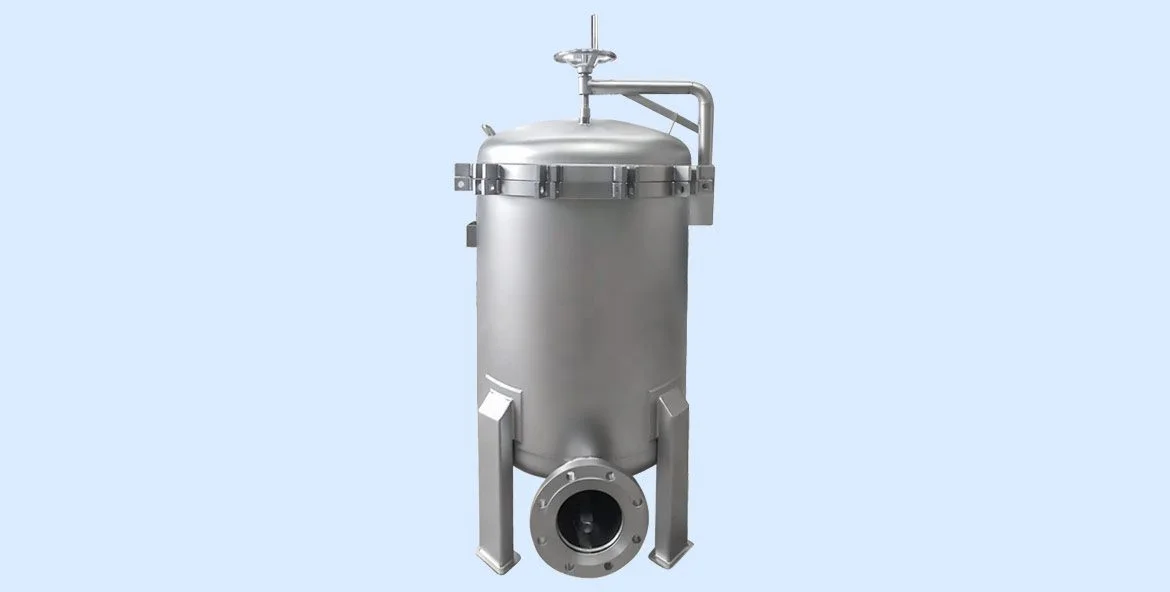
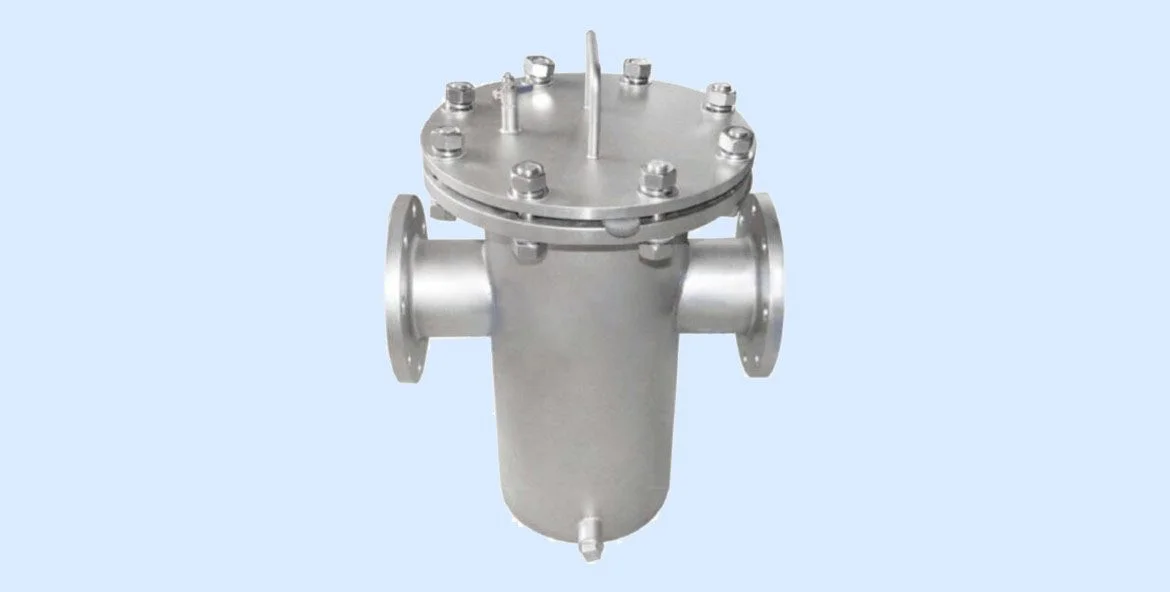
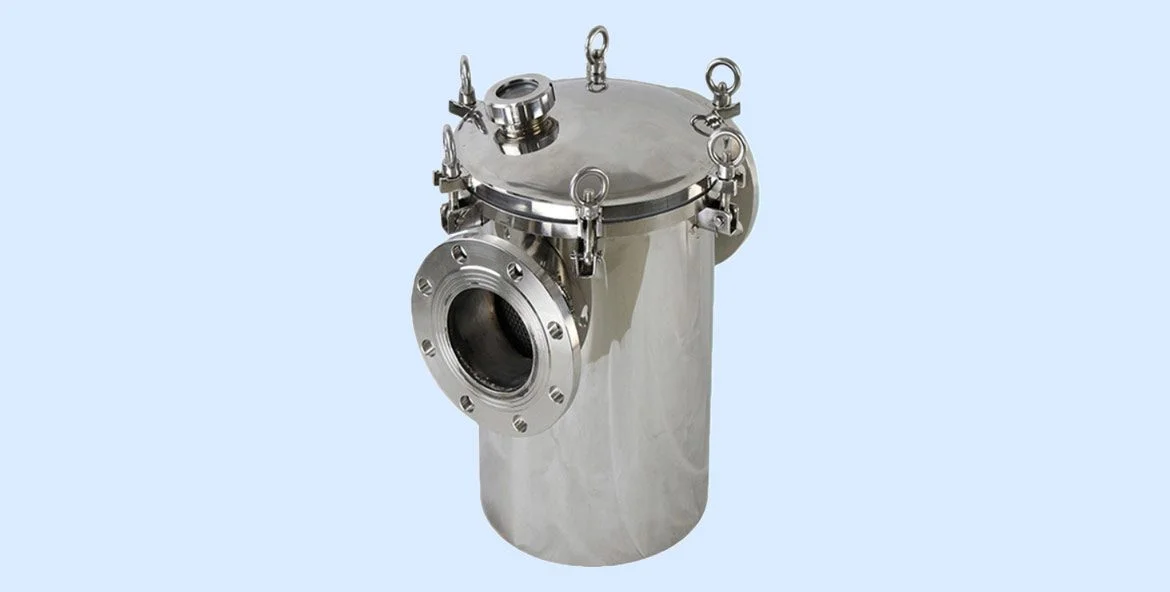
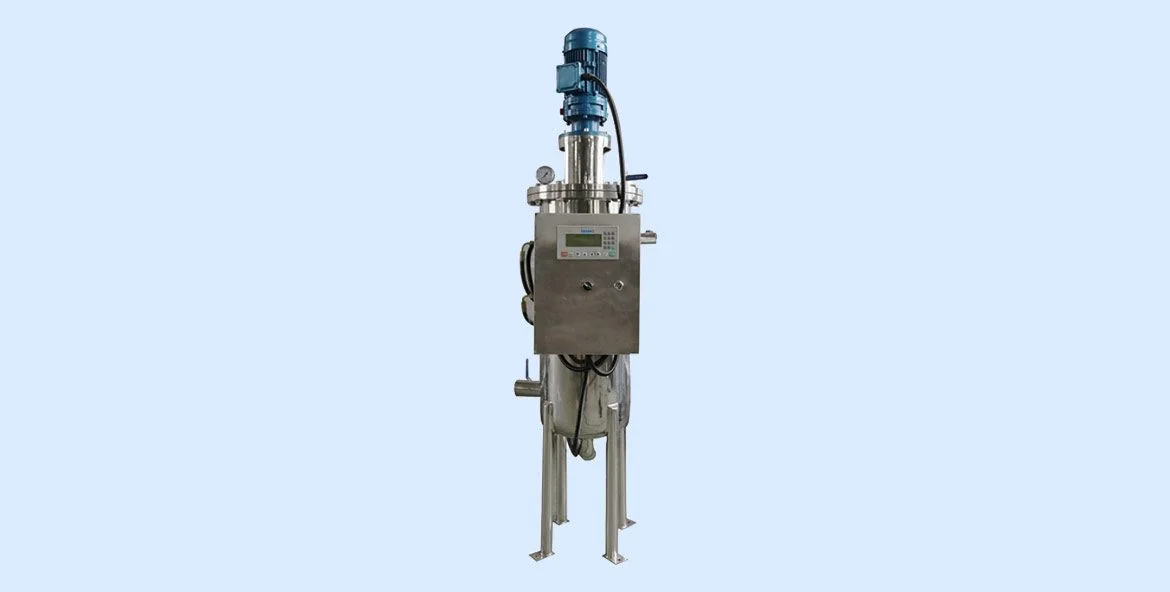
In most industrial plants, fluid systems run continuously—sometimes 24/7—with little room for stoppages. That’s where the duplex filter housing comes into play. At its core, it’s a two-chamber filtration system linked by a changeover valve assembly, designed to keep the line operating even when one chamber is offline. Each chamber can be fitted with basket strainers, filter bags, or cartridges, depending on the application. Instead of shutting down like a traditional simplex unit, operators simply divert flow to the standby chamber and service the other. It’s a simple principle with major operational impact.
Think about power plants, RO water treatment skids, chemical transfer lines, hydraulic circuits, or even marine cooling systems. In these settings, an unplanned stoppage doesn’t just interrupt production—it can cause membrane fouling, valve erosion, or pump cavitation, leading to expensive maintenance cycles. Duplex filter housings solve this by maintaining uninterrupted filtration, keeping pressure stable, and preventing contamination slugs during changeouts. In practice, this means fewer emergency shutdowns and longer service intervals.
Praimo Industrial Filters & Spares Manufacturing Company has refined this design for both domestic and export markets, building units to ASME Section VIII Div. 1 and PED standards. Housings are fabricated in SS304, SS316L, Duplex 2205, and other high-performance alloys, then customized to suit application-specific flow rates, micron ratings, and pressure classes. They’re not off-the-shelf utilities—they’re engineered assets.
Whether a duplex unit is placed upstream for RO pre-filtration or downstream as a polishing stage for lube oil and chemicals, the results are usually the same: high uptime, predictable ΔP behavior, and a filtration system that quietly keeps everything else running.
How Duplex Filter Housings Work
The duplex filter working principle is straightforward but extremely dependable. Imagine two identical filtration chambers arranged in parallel, both connected to a changeover valve manifold. This valve directs flow through either Chamber A or Chamber B, allowing one side to handle the process stream while the other is cleaned or serviced. The key idea is simple: keep one chamber online and the other on standby—so filtration never stops, even during maintenance.
In actual operation, the process fluid enters the active chamber, passing through the installed media. Depending on the filtration objective, this could be:
- A perforated basket with mesh liner for coarse straining (e.g., 500–5000 µm)
- A filter bag for high dirt-holding capacity (1–1000 µm nominal)
- A pleated or sintered cartridge for fine or absolute polishing (0.2–100 µm)
As contaminants accumulate, the differential pressure (ΔP) across the media rises. Operators typically monitor this through pressure gauges or DP transmitters mounted across the inlet and outlet. When ΔP reaches a defined threshold—around 0.3 bar for baskets, 1.0–1.5 bar for bags, or 1.5–2.5 bar for cartridges—it signals that the active chamber needs servicing.
At this point, the operator (or an automated control system) activates the changeover valve. Flow is smoothly diverted to the standby chamber, which is already primed and ready. The now-offline chamber can be opened safely for media cleaning or replacement, all without shutting down the line. Depending on the application, the valve mechanism may be manual (lever, butterfly) or automated (plug valves with pneumatic or electric actuators) for critical or remote systems.
This dual-chamber arrangement is why duplex filter housings are frequently installed in RO pretreatment systems, cooling water circuits, hydraulic oil loops, and other continuous-process lines where any flow interruption is unacceptable. It’s a simple mechanical setup—but in real-world applications, it can be the difference between smooth operations and costly downtime.
- Keywords layered: duplex filter working principle, duplex filter diagram
- Visual suggestion: Include a labeled P&ID schematic or animated flow diagram to clearly show the flow path and valve switching sequence.
Key Features and Advantages of Duplex Filter Systems
A duplex filter system blends engineering reliability, operational flexibility, and lifecycle cost efficiency into one unit. Instead of halting production every time filtration media needs servicing, the duplex arrangement allows flow to continue seamlessly through one chamber while the other is cleaned or maintained. For continuous or mission-critical industrial lines, that single design difference often translates into significant savings—both in time and money.
1. Continuous Filtration Without Shutdown
This is the defining advantage. In applications such as RO pretreatment, cooling water circuits, hydraulic oil loops, and chemical transfer systems, any unplanned stoppage can ripple through upstream and downstream processes. Duplex water filters maintain steady flow and pressure, even while a chamber is offline, delivering 99%+ uptime in typical installations. Over months or years of operation, that level of reliability directly reduces production losses, membrane fouling incidents, and emergency interventions.
2. Quick Changeover with Minimal Pressure Loss
Well-designed changeover valve assemblies—whether manual or automated—make switching between chambers a quick, clean operation. Operators can redirect flow in a matter of seconds. High-integrity manifolds and plug valve systems are engineered to minimize turbulence and pressure drop during changeover, preserving process stability and protecting sensitive downstream components such as pumps, membranes, or instrumentation.
3. Multi-Media Compatibility
Another overlooked strength is how versatile these housings are. Engineers can configure them with:
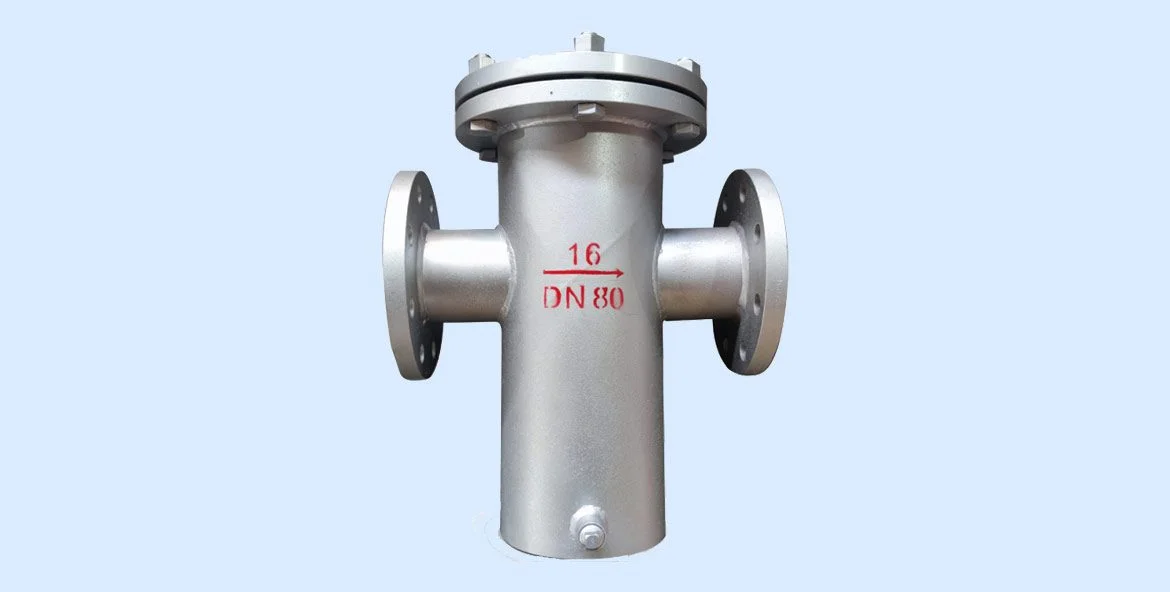
- Basket strainers for coarse filtration (e.g., cooling water or seawater intake)
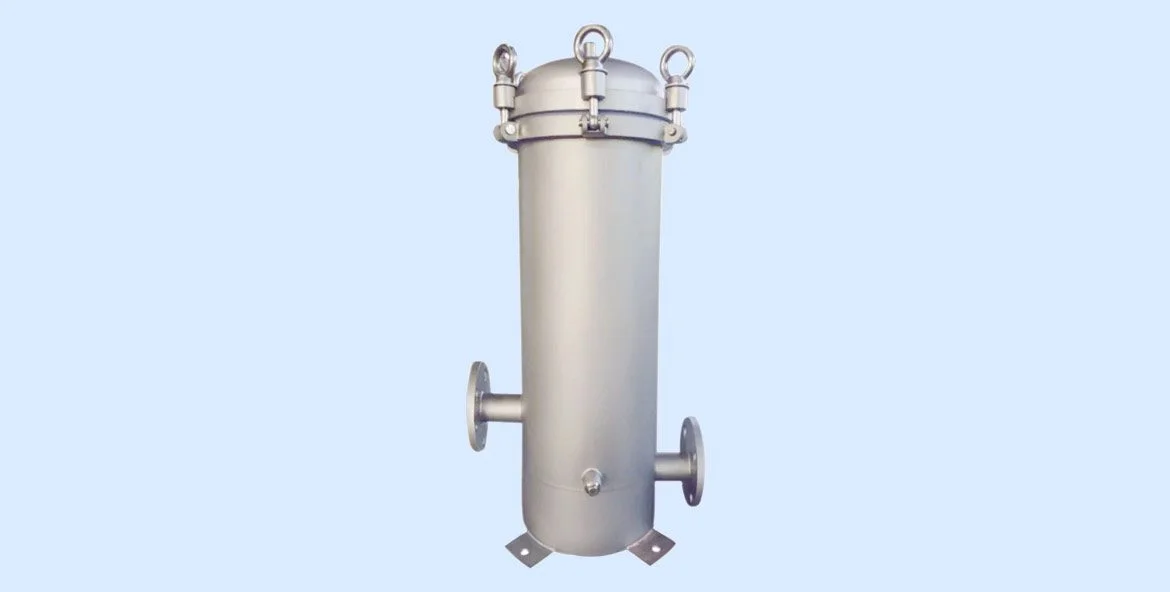
- Filter bags for high dirt-holding and cost-effective pre-filtration
- Pleated or sintered cartridges for fine or absolute polishing
This flexibility lets system designers tailor each duplex unit to specific fluid properties, contamination loads, and filtration targets—without redesigning the entire line.
4. Engineered for Compliance & Global Deployment
Praimo Industrial Filters & Spares Manufacturing Company designs every duplex housing to meet ASME Section VIII Div.1, PED 2014/68/EU, and other relevant international codes. Typical documentation packages include:
- EN 10204 3.1 material certificates
- Full hydrotest reports
- ISPM-15 compliant export packaging
These details may seem administrative, but for EPC contractors, OEMs, and export buyers, they’re crucial. They enable seamless integration into global projects, without delays caused by missing compliance paperwork or inspection hold points.
Technical Specifications Overview
Getting the technical details right is the foundation of a well-designed duplex filtration system. Proper sizing, integration, and compliance planning all hinge on understanding how the duplex filter housing is built and what it can handle. These systems are engineered to support a wide spectrum of line sizes, flow capacities, pressure classes, and micron ratings, which is why they’re equally at home in coarse seawater straining as they are in pharmaceutical liquid polishing.
Each unit is composed of two identical filter chambers linked by a high-integrity changeover valve manifold. This assembly is what enables continuous operation while meeting international pressure vessel standards—ensuring mechanical safety, consistent performance, and regulatory acceptance for both domestic and export projects. The designs cover everything from utility water loops to critical hygienic processes where documentation, traceability, and compliance are mandatory.
Below is a snapshot of the core engineering and operational parameters typically offered by Praimo Industrial Filters & Spares Manufacturing Company:
| Parameter | Specification Range | Notes |
|---|---|---|
| Line Sizes | 1" to 12" (DN25–DN300) | Custom options available for larger flows |
| Flow Capacity | 3 to 500 m³/hr | Based on media type, viscosity, and allowable ΔP |
| Pressure Rating (MAWP) | 10, 16, 25 bar standard; up to 40+ bar on request | ASME / PED design |
| Temperature | –20 °C to 120 °C standard; up to 200 °C with special seals | PTFE, FKM, or metal gaskets for high-temperature applications |
| Filtration Range | 0.2 µm (absolute) to 5000 µm (coarse) | Basket, bag, or cartridge configurations |
| Materials | CS, SS304, SS316L, Duplex 2205, 904L, Alloy 20, Hastelloy | Selected per fluid chemistry and export specifications |
| Standards & Compliance | ASME VIII Div.1, PED 2014/68/EU, EN 10204 3.1, NACE MR0175 | FDA, 3-A, EHEDG, ATEX available for hygienic or hazardous applications |
These numbers aren’t just theoretical—they’re what allow engineers to match the housing precisely to their process conditions. For example, a 6″ duplex unit handling cooling water might run comfortably at 250 m³/hr and 10 bar, whereas a smaller sanitary cartridge duplex for pharmaceutical liquids could operate at lower flow but tighter tolerances, meeting FDA and 3-A hygienic requirements.
When paired with the right basket, bag, or cartridge internals, these housings deliver high flow rates, stable differential pressure profiles, and long media service life even in demanding service conditions. This combination of flexibility, compliance, and performance is what makes duplex filter housings such a reliable backbone for critical filtration systems.
Flow Capacities, Pressure Ratings & Filtration Efficiency
When engineering a duplex filter housing, three parameters sit at the core of proper selection: flow capacity, pressure rating, and filtration efficiency. Get these wrong, and even the most expensive housing will underperform. Get them right, and you achieve stable hydraulic behavior, predictable service intervals, and consistent downstream equipment protection over years of operation.
Flow Capacity & Line Size Selection
Sizing typically begins with line diameter and the target flow velocity. Duplex housings are available across a wide range of line sizes, and performance is ultimately tied to both media type and fluid viscosity.
For example:
- A duplex filter housing 4 inch (DN100) is commonly selected for 40–70 m³/hr with water-like fluids (~1 cP).
- An 8 inch duplex basket filter (DN200) can comfortably handle 150–220 m³/hr, depending on the media and acceptable pressure drop.
- For higher viscosities or high flow rates, engineers often specify multi-round cartridge or multi-bag duplex systems, ensuring stable ΔP across the filtration train.
Performance is typically plotted as ΔP vs Flow curves at varying viscosities—1 cP for water, 10 cP for light oils, and 100 cP for viscous fluids. As viscosity increases, pressure drop rises proportionally. Maintaining efficiency under these conditions may require larger housings or increased filtration area to keep differential pressure within design limits.
| Viscosity | Typical Flow @ 4" DN100 | Clean ΔP (approx.) |
|---|---|---|
| 1 cP (Water) | 60–70 m³/hr | 0.08–0.12 bar |
| 10 cP (Light Oil) | 40–50 m³/hr | 0.15–0.25 bar |
| 100 cP (Viscous Fluids) | 15–25 m³/hr | 0.30–0.50+ bar |
Visual suggestion: Plotting ΔP vs Flow curves for different viscosities gives engineers a clear way to size housings and select media combinations that won’t choke under real-world conditions.
Micron Ratings & Filtration Efficiency
The filtration media is where the real performance happens. Duplex systems can be configured with baskets, filter bags, or cartridges, covering everything from 5000 µm coarse straining to 0.2 µm absolute polishing.
- Basket elements (500–5000 µm): Provide coarse straining with low ΔP—ideal for seawater intakes, cooling lines, or pump protection.
- Filter bags (1–1000 µm nominal): Offer high dirt-holding capacity, making them excellent for pre-filtration or high solids loading.
- Cartridge filters (0.2–100 µm absolute): Deliver 99.0–99.98% efficiency, suitable for protecting RO membranes, hydraulic valves, or precision nozzles.
Nominal ratings indicate approximate retention (typically 60–95% of particles), while absolute ratings are based on β-ratios (β ≥ 1000), meaning less than 0.1% of particles at the rated size pass through.
| Media Type | Micron Range | Efficiency |
|---|---|---|
| Basket (Perforated / Mesh) | 500–5000 µm | Low–Medium (Straining) |
| Bag (Felt / Mesh) | 1–1000 µm | 60–95% nominal |
| Cartridge (Pleated / Sintered) | 0.2–100 µm | 99.0–99.98% absolute (β ≥ 1000) |
This flexibility allows engineers to stage filtration effectively—for example:
- Basket duplex upstream for coarse debris
- Bag duplex midstream for bulk particulate removal
- Cartridge duplex downstream for final polishing
The result is extended media life, reduced operating costs, and smoother downstream operation without frequent shutdowns.
Materials of Construction
Material selection plays a decisive role in how a duplex filter housing performs over time. It impacts not only chemical compatibility and corrosion resistance, but also mechanical strength, maintenance frequency, and overall service life. In demanding environments—whether handling aggressive fluids, high-pressure seawater, or hygienic process media—the right combination of metallic housing and elastomeric seals can mean the difference between a 2-year replacement cycle and decades of uninterrupted operation.
1. Carbon Steel (CS) with Internal Lining
Ideal for non-corrosive or mildly corrosive fluids such as cooling water, lubricating oil, or glycol systems where a cost-effective, sturdy solution is needed.
Internally lined with epoxy phenolic or polyurethane coatings to prevent corrosion and scale buildup.
- Budget-friendly for large line sizes
- Excellent mechanical strength
- Simple fabrication and customization for higher flow rates
CS housings remain a practical choice for utilities and closed-loop systems where fluid chemistry is stable and aggressive contaminants are minimal.
2. Stainless Steel (SS304 / SS316L)
Use Case: The standard across process liquids, pharma utilities, food-grade applications, and most general chemical services.
- SS304 performs well in neutral fluids at ambient temperatures.
- SS316L offers improved resistance to chlorides, acids, and elevated temperatures, making it more suitable for challenging water chemistries or clean-in-place environments.
Applications: RO pre-filtration, beverage production lines, clean steam and water systems.
Advantages:
- Hygienic surface finishes suitable for sanitary environments
- Readily weldable and globally available
- Balanced cost vs. corrosion resistance for most industrial duties
Keyword targets: stainless steel duplex filter, ss duplex filter housing
3. Duplex 2205 / Super Duplex 2507
Use Case: Designed for high-chloride, high-pressure environments such as seawater filtration, desalination plants, and marine cooling water systems.
Advantages:
- Exceptional pitting and crevice corrosion resistance
- Superior mechanical strength compared to standard stainless steels
- Proven long operational life in coastal and offshore environments
Export Note: EPC contractors in MENA and offshore projects often specify Duplex/Super Duplex housings for their combination of corrosion resistance and pressure capability, making them a staple for export-ready systems.
4. 904L / Alloy 20 / Hastelloy
Use Case: For aggressive chemical services, such as streams containing sulfuric, phosphoric, or mixed industrial acids.
Advantages:
- Premium alloys engineered for maximum corrosion resistance
- Withstand prolonged exposure to acidic or oxidizing media without rapid degradation
- Extend maintenance intervals significantly in specialty chemical applications
Typical Uses: Fertilizer manufacturing, aggressive wastewater treatment, acid circulation loops, and specialty chemical polishing duties where standard stainless steels would fail prematurely.
5. Elastomers & Seals
Even the best housing will leak or degrade if the gasket and O-ring materials aren’t matched to the fluid and temperature. Seal material selection affects temperature limits, chemical compatibility, and long-term sealing reliability.
| Elastomer | Temperature Range | Typical Fluids | Notes |
|---|---|---|---|
| NBR (Buna-N) | –20 °C to 110 °C | Oils, fuels, hydrocarbons | Cost-effective; unsuitable for strong oxidizers |
| EPDM | –40 °C to 140 °C | Water, steam, caustics | Excellent for potable water and alkaline solutions |
| FKM (Viton®) | –20 °C to 200 °C | Solvents, aromatics, acids | Excellent chemical and temperature resistance |
| PTFE / PTFE-enveloped | Up to 220 °C | Aggressive chemicals, mixed media | Inert; ideal for critical chemical or hygienic duties |
By combining robust metallic housings with suitable elastomeric seals, duplex filter systems can be configured for an impressive range of services—from fuel oil transfer lines (duplex fuel filter housing) to chemical polishing systems or marine intake circuits (duplex oil filter housing). The right pairing ensures operational reliability, minimizes maintenance, and meets both domestic and international compliance standards.
Types & Configurations of Duplex Filter Housings
Duplex filter housings are engineered in multiple types and configurations, each tailored to specific micron ratings, fluid properties, and operational requirements. Choosing the correct configuration is not a trivial detail—it determines how well the system controls contamination, maintains stable flow, and minimizes downtime across its service life.
1. Basket Duplex Filters — Coarse Filtration, Low ΔP
50–5000 µm
Perforated baskets with or without mesh liners
- Cooling water intakes, pump protection, upstream coarse straining prior to finer filtration stages
- Manual changeover valves with vertical orientation, ideal where floor space is limited and quick access is needed.
- In seawater or cooling water circuits, basket duplex units often act as the first line of defense—removing bulk solids before finer stages. Their ΔP remains low over long intervals, which helps stabilize pump suction pressure.
2. Bag Duplex Filters — High Dirt-Holding, Pre-Filtration
- Micron Range: 1–1000 µm (nominal)
- Media: Size-1 or Size-2 felt or mesh filter bags, supported by SS baskets
- Applications: RO plant pre-filtration, chemical processing, utility water, food-grade liquids
Advantages:
- High solids retention with minimal changeouts
- Economical consumables and quick bag replacement
- Ideal as a staging step between coarse basket filters and fine cartridge filtration
Typical Configurations:
Manual or semi-automatic valve systems, installed either horizontally or vertically depending on site access and maintenance preferences.
In practice: Many RO plants use a basket duplex at the intake, followed by a bag duplex for bulk solids capture before sending water to cartridge polishing stages. This sequence extends media life and stabilizes SDI levels.
3. Cartridge Duplex Filters — Fine / Absolute Filtration
- Micron Range: 0.2–100 µm (absolute)
- Media: Pleated polypropylene, PES/PTFE membranes, or sintered metal cartridges
- Applications: Hydraulic oil polishing, varnish removal, RO final protection, process liquid polishing in food and pharmaceutical production
Advantages:
- Absolute β-ratios (β ≥ 1000), capturing 99.0–99.98% of rated particles
- Delivers clean fluid suitable for sensitive downstream equipment
- Available in single-round or multi-round housings (e.g., 3, 5, 12, 45, 90 rounds)
Typical Configurations:
Manual or automated changeover, often in horizontal orientation for multi-round systems, providing easier access during media replacement.
Operator insight: For critical polishing—especially in hydraulic circuits or pharma—the consistency of β-ratio performance is what protects equipment. Cartridges in duplex setups allow cleaning or replacement without risking contamination spikes.
4. Orientation & Changeover Options
The layout and valve configuration greatly influence operational convenience and automation potential:
| Configuration | Orientation | Changeover | Use Case |
|---|---|---|---|
| Compact Utility Units | Vertical | Manual lever / butterfly | Cooling water, small RO plants |
| High-Flow Industrial | Vertical / Horizontal | Manual plug valves | Large utility filtration, chemical services |
| Critical Applications | Horizontal | Automated actuated valves | Continuous processes, remote or hazardous locations |
- Vertical designs save floor space, improve drainability, and are common in utility or compact systems.
- Horizontal housings are typically used in multi-cartridge setups, where operators need easy access for maintenance.
- Automation is preferred for critical services—especially offshore, hazardous, or unmanned facilities.
Regulatory & Compliance Standards
For EPC contractors, OEMs, and plant operators, regulatory compliance is not optional—it’s a baseline requirement. Whether a duplex filter housing is installed domestically or exported overseas, it must comply with pressure vessel codes, material traceability standards, and sector-specific hygiene or safety norms.
1. Pressure Vessel & Design Codes
All duplex filter housings manufactured by Praimo Industrial Filters & Spares Manufacturing Company adhere to:
- ASME Section VIII Div.1 — Global benchmark for pressure vessel design and fabrication, widely accepted by EPC contractors.
- PED 2014/68/EU with CE marking — Mandatory for equipment exported to the EU.
- EN 13445 — Ensures structural safety and performance under European regulations.
These codes govern wall thickness, nozzle reinforcement, hydrotesting, and NDE, ensuring structural integrity at rated pressures.
2. Material Traceability & Corrosion Standards
- EN 10204 3.1 Material Certificates — Full MTCs for all pressure parts, ensuring traceability and QA for EPC compliance.
- NACE MR0175 / ISO 15156 — Verifies material suitability for sour service and corrosive oil & gas environments.
- Optional radiography, dye-penetrant, and PMI testing can be supplied per project QA/QC requirements.
3. Hygienic, Safety & Hazardous Area Standards
For pharmaceutical, food, or explosive atmospheres, duplex housings can be designed to meet:
- 3-A Sanitary and EHEDG cleanability standards
- FDA 21 CFR and (EU) 10/2011 compliance for elastomers and wetted parts
- ATEX / IECEx certification for safe operation in hazardous zones, including grounding and conductive media paths
4. Export Readiness
To support global project delivery, Praimo ensures every unit is export-ready:
- Complete EN 10204 3.1 documentation
- ISPM-15 compliant wooden export packaging
- CE/PED marking for EU installations
- Multi-language manuals and nameplates
Performance & Operational Data
Accurately understanding the performance characteristics of a duplex filter housing is crucial for system designers and plant engineers. Real-world data on pressure drop (ΔP), dirt-holding capacity, and switch-over thresholds enable precise sizing, stable hydraulic performance, and predictable maintenance planning. When these parameters are factored in early, duplex systems deliver long service life with minimal operational surprises.
1. Typical Pressure Drop (ΔP) Ranges
The initial clean pressure drop across a duplex filter depends on a few key variables: media type, micron rating, fluid viscosity, and flow velocity. As contaminants accumulate, ΔP rises until it hits a defined changeover setpoint, at which point flow is diverted to the standby chamber. This cycle keeps filtration continuous while the offline chamber is cleaned.
| Media Type | Micron Range | Clean ΔP @ 1 cP | Switch-Over ΔP | Notes |
|---|---|---|---|---|
| Basket (Perforated / Mesh) | 500–5000 µm | 0.02–0.05 bar | 0.3–0.5 bar | Very low ΔP; excellent for cooling water or pump protection |
| Bag (Size-2) | 1–1000 µm | 0.05–0.12 bar | 1.0–1.5 bar | High dirt-holding; widely used for pre-filtration |
| Cartridge (Pleated / Sintered) | 0.2–100 µm | 0.06–0.15 bar | 1.5–2.5 bar | High efficiency; suitable for polishing & critical protection |
Visual suggestion: A ΔP vs Flow curve for 1 cP, 10 cP, and 100 cP fluids across media types helps engineers anticipate actual field conditions and avoid undersizing housings.
2. Dirt-Holding Capacity
Different media types store different amounts of particulate before reaching their ΔP limits:
- Basket Elements: Robust and reusable, often holding several kilograms of coarse solids before cleaning is required. Capacity depends on basket depth and perforation size.
- Bag Filters: A standard Size-2 felt bag typically retains 5–15 kg of solids before triggering changeover, making it excellent for pre-filtration stages.
- Cartridge Filters: Pleated elements generally hold 0.5–2 kg per 10″ element. Some sintered metal cartridges allow wash-and-reuse cycles, extending operational life in polishing applications.
Engineering insight: In high solids-loading scenarios, using a staged sequence—basket → bag → cartridge—can dramatically extend media life and lower OPEX by spreading the contaminant load.
3. Influence of Viscosity, Micron Rating & Solids Load
Three factors strongly shape ΔP behavior during operation:
- Viscosity: Higher viscosity = higher ΔP. For example, a 4″ duplex housing filtering 100 cP oil can exhibit a clean ΔP of 0.3–0.5 bar, compared to 0.1 bar for water at the same flow rate.
- Micron Rating: Finer media cause a higher initial ΔP. An absolute-rated 1 µm cartridge may have 2–3× the ΔP of a 25 µm nominal bag at equivalent flow.
- Solids Loading: Heavy particulate loading accelerates ΔP rise. Oversizing housings or adding upstream stages helps stabilize performance under variable loading conditions.
When these operational variables are considered together, designers can set realistic changeover intervals, reduce unscheduled maintenance, and protect downstream equipment from pressure shocks or contamination slugs. Duplex systems equipped with proper ΔP monitoring and automated switching regularly achieve >99% uptime, even in challenging industrial services.
Benefits of Duplex vs Simplex Systems
When selecting a filtration system, the choice between a simplex filter and a duplex filter housing directly influences uptime, operational expenditure (OPEX), and downstream equipment protection. While simplex units still serve well in non-critical or batch operations, duplex systems excel in continuous and high-value processes, where stopping flow is either impractical or too costly.
1. No Shutdowns During Maintenance
A simplex filter must be isolated or bypassed whenever baskets, bags, or cartridges need replacement or cleaning. This leads to planned (and sometimes unplanned) downtime, along with potential risks of bypassing unfiltered fluid downstream.
By contrast, a duplex filter housing enables instant chamber switch-over using a manual or automated changeover valve. One chamber continues operating while the other is serviced. This design eliminates stoppages entirely, ensuring filtration continuity without affecting process stability.
2. Increased Uptime & Operational Reliability
In real-world service—whether seawater intakes, hydraulic oil circuits, or high-solids industrial water—well-engineered duplex systems regularly achieve 99%+ uptime. For critical operations like RO pre-filtration, cooling water loops, or continuous production lines, this reliability prevents cascading failures and keeps operations running smoothly.
- Field Insight: Many power plants report that switching from simplex to duplex filters eliminates the need for weekend shutdowns altogether—a seemingly small change with major operational impact.
3. Lower Lifecycle Operating Costs
Although duplex housings typically carry a slightly higher initial CAPEX, they rapidly offset that cost through reduced OPEX, driven by:
- Fewer emergency shutdowns
- Extended media life, especially in staged filtration setups (e.g., basket → bag → cartridge)
- Lower labor costs for routine changeouts
- Stable ΔP, which helps lower pump energy consumption
| Parameter | Simplex Filter | Duplex Filter Housing |
|---|---|---|
| Maintenance Downtime | Required for every change | None — switch-over on the fly |
| Uptime | 85–90% typical | 99%+ achievable |
| Changeover Effort | Isolate / drain / open | Valve switch (manual/auto) |
| Long-Term OPEX | Moderate to High | Low (fewer interruptions) |
4. Extended Downstream Equipment Life
Continuous filtration also prevents unfiltered slugs from entering sensitive downstream equipment during maintenance. Pumps, RO membranes, valves, and instrumentation benefit from reduced wear and contamination exposure, resulting in fewer breakdowns, longer component life, and more stable operating conditions. Over time, this translates into significant reliability gains across the entire process line.
Applications & Industries
Duplex filter housings are designed to support a remarkably wide range of industrial applications—from utility water filtration and RO pretreatment to high-purity process fluids and critical hydraulic systems. Their core advantage lies in providing continuous filtration without shutdown, making them indispensable in industries where fluid cleanliness, uptime, and process stability are non-negotiable.
1. Water & Wastewater / RO Pre-Filtration
In water treatment plants and RO systems, duplex housings are typically staged to optimize membrane life and stability. Bag duplex filters are installed upstream to capture suspended solids, followed by cartridge duplex filters downstream for finer polishing.
- Typical Configuration: Bag duplex at 25 µm nominal → Cartridge duplex at 5 µm absolute
- Results: Stable SDI values, reduced membrane fouling, and extended CIP intervals
- Example: A 3″ duplex bag filter at 35 m³/hr treating municipal feed water reduced membrane cleaning frequency by 45% compared to simplex setups.
This staged approach has become standard practice for many EPC contractors working on mid-to-large RO installations.
2. Cooling Water (Seawater Intake)
In coastal power plants, desalination facilities, and marine systems, basket duplex filters are used to remove shells, sand, and other debris before finer filtration stages.
- Micron Range: 1–2 mm perforated baskets
- Advantages: Very low ΔP, robust welded construction, and easy manual cleaning cycles
- Often paired with downstream bag or cartridge duplex units for finer particulate removal
Example: A DN150 basket duplex unit handling 120 m³/hr seawater reduced pump seal failures by 68% within six months, demonstrating the ROI of duplex over simplex filters in harsh environments.
3. Hydraulic & Lube Oil Filtration
For hydraulic systems, turbines, and gearboxes, cartridge duplex filters in the 6–10 µm absolute range maintain oil cleanliness, protect servo valves, and prevent varnish buildup.
- Fluids: ISO 46 oil at 40–60 °C
- Typical ΔP: 0.1 bar (clean) → 2.0 bar (changeover)
Benefits:
- Extended oil service life (up to 2×)
- Fewer unplanned shutdowns
- Improved component reliability
This is particularly critical in turbine lubrication circuits, where sudden contamination spikes can lead to expensive outages.
4. Food & Beverage / Pharmaceutical
In sanitary applications, SS316L duplex housings with electropolished interiors and FDA-compliant elastomers are deployed for syrup filtration, utility water, and CIP fluids.
- Standards: 3-A, EHEDG, FDA 21 CFR, (EU) 10/2011
- Design: Crevice-free construction, drainable configurations, and often automated changeover for critical continuous processes
Such systems ensure hygienic integrity and minimize contamination risks, while still benefiting from duplex systems’ uninterrupted operation.
5. Oil & Gas, Chemical, Marine & Power
For aggressive or high-pressure applications, duplex housings are fabricated from Duplex 2205, Super Duplex, or 904L, offering excellent corrosion resistance and mechanical strength.
Typical Duties:
- Fuel oil filtration in power plants
- Amine polishing in gas treatment
- Marine ballast water filtration
- Condensate treatment lines in thermal power units
Operating Envelope: Up to 25 bar standard, higher available on request
These rugged units are often specified in EPC projects for offshore platforms and critical continuous flow systems, where both performance and compliance documentation are essential.
Across all these sectors, Praimo Industrial Filters & Spares Manufacturing Company delivers custom-engineered duplex filter housings matched to line size, fluid chemistry, micron rating, and regulatory standards. Each unit is backed by full QA documentation and export readiness, ensuring compatibility with both domestic and international project requirements.
Buying & Procurement Guide
Selecting the right duplex filter housing goes beyond technical sizing — it’s also a procurement-critical decision, particularly for EPC contractors, OEMs, and industrial end users. A systematic procurement strategy ensures that the chosen unit matches process conditions, regulatory obligations, and project schedules, while minimizing total lifecycle cost.
1. Key Sizing Criteria
Accurate sizing determines both hydraulic performance and maintenance intervals. During the procurement stage, engineers and buyers should evaluate:
- Line Size — Match the nominal pipe diameter (1″–12″ standard; larger available) to maintain stable velocities and reduce turbulence.
- Flow Rate — Define minimum, normal, and peak flow rates. Select housings using performance curves based on actual fluid viscosity.
- Fluid Viscosity — For example, 100 cP oil demands larger housings or increased filtration area to keep ΔP within acceptable limits.
- Operating Pressure & Temperature — Confirm against MAWP ratings (10–25 bar standard; higher available).
Micron Rating — Choose:
- Basket: 500–5000 µm (coarse)
- Bag: 1–1000 µm nominal (pre-filtration)
- Cartridge: 0.2–100 µm absolute (polishing)
Changeover Method — Manual valves for cost-effectiveness, or automated actuators for critical services.
Tip: Oversizing by one line size can significantly extend media life and reduce pressure drop in high-solids or viscous applications.
2. Code Compliance & QA Documentation
For regulated sectors and export projects, verifying design codes and documentation deliverables upfront is essential. Procurement teams should ensure the vendor can provide:
- ASME / PED design compliance, with CE marking where applicable
- EN 10204 3.1 material certificates for all pressure-retaining parts
- Hydrostatic test certificates, NDE reports, and detailed QA/QC inspection plans
- Optional NACE MR0175, ATEX, FDA, or 3-A certifications depending on industry requirements
These documents are typically mandatory at project handover, particularly for EPC contracts, and delays in documentation can stall commissioning.
3. Vendor Evaluation Checklist
When shortlisting duplex filter manufacturers in India or internationally, assess vendors on more than just price:
- Material & Welding Expertise — Can the vendor fabricate in SS316L, Duplex 2205, or exotic alloys?
- Design & Compliance Capability — Familiarity with ASME, PED, and EN codes is critical.
- Testing Facilities — Availability of in-house hydrotest, NDE, PMI, and surface finish checks.
- Delivery & Export Readiness — ISPM-15 packaging, CE marking, multi-language manuals.
- Track Record — Proven execution on similar projects (e.g., parker duplex filter housing, hydac duplex filter housing alternatives).
- After-Sales Support — Availability of spares, gaskets, and technical service.
4. Export Readiness for Global EPC
For international projects, ensure the vendor meets export requirements upfront to avoid shipping delays:
- CE/PED compliance for EU
- ISPM-15 export packaging
- Nameplates and documentation in client-specified languages
- Coordinated logistics for on-time overseas delivery
Praimo Industrial Filters & Spares Manufacturing Company meets all the above technical, compliance, and export readiness benchmarks, making it a trusted partner for both domestic installations and global EPC procurement teams.
Maintenance & Troubleshooting
A well-designed maintenance program ensures that a duplex filter housing operates at peak efficiency, maintains pressure stability, and delivers long service life. Because duplex systems allow cleaning while the unit remains online, maintenance can be planned and predictive, reducing emergency interventions and protecting downstream assets.
1. Routine Maintenance Schedule
| Frequency | Activity | Purpose |
|---|---|---|
| Daily / Shift | Check differential pressure (ΔP) gauges / transmitters; inspect for leaks or vibrations. | Early detection of loading, seal failures, or bypassing. |
| Weekly | Operate changeover valves to ensure smooth function; drain condensate if applicable. | Prevent valve sticking, verify smooth switching. |
| Monthly | Clean basket or replace bag/cartridge in the offline chamber. Inspect gaskets and sealing surfaces. | Maintain flow rates and avoid unexpected ΔP spikes. |
| Quarterly | Internal inspection for corrosion, lining integrity (for CS), and media seating conditions. | Detect wear or corrosion before it affects performance. |
| Annually | Full internal and external inspection, NDE if required, repaint/relap sealing surfaces if needed. | Prolong housing lifespan and maintain compliance. |
Tip: Alternating chambers during scheduled maintenance balances wear and keeps both chambers in ready condition.
2. Media Servicing
- Baskets: Remove, clean with compressed air or pressure water; inspect mesh for tears or deformation.
- Filter Bags: Replace offline bags; ensure support baskets are intact and correctly seated.
- Cartridges: Replace with compatible micron ratings; check O-rings and seating plates for deformation to avoid bypass.
Media replacement should always be done on the offline chamber, allowing continuous operation on the active side.
3. Valve & Gasket Checks
- Changeover Valves: Regularly cycle to prevent seizure. For automated units, verify actuator response and limit switches.
- Gaskets & O-rings: Inspect during each media change. Hardened, flattened, or chemically attacked seals must be replaced to maintain leak-free operation.
- Fasteners & Covers: Check torque values and replace damaged threads or swing bolts.
4. Common Issues & Troubleshooting
| Issue | Possible Cause | Solution |
|---|---|---|
| Seat Leakage | Damaged gasket / debris on sealing face | Clean seating surfaces, replace gasket, re-torque evenly |
| Unexpected ΔP Spikes | Clogged media, improper sizing, valve obstruction | Check media condition, verify valve position, confirm sizing vs flow |
| Bypassing of Media | Damaged basket mesh / mis-seated cartridge | Replace damaged media, re-seat properly, check O-ring integrity |
| Corrosion / Lining Failure | Incompatible fluid or delayed maintenance | Switch to compatible material (e.g., SS316L or Duplex), re-line or replace |
| Valve Sticking | Infrequent operation or debris in valve body | Regular cycling, clean and lubricate, inspect actuator (if automated) |
Case Studies & Performance Benchmarks
Real-world installations are the best way to demonstrate how duplex filter housings translate engineering design into measurable results. By reviewing flow behavior, ΔP profiles, contamination reduction, and maintenance outcomes, these case studies highlight the ROI and operational reliability achievable when duplex systems are specified correctly.
1. Coastal Power Plant — Basket Duplex for Seawater Intake
- Application: Seawater filtration upstream of condenser pumps
- Configuration: DN150 basket duplex filter, 2 mm perforated SS316L baskets
- Flow Rate: 120 m³/hr
- Fluid: Raw seawater (~1 cP)
Performance Benchmarks:
- Clean ΔP: 0.04 bar | Changeover ΔP: 0.4 bar
- Maintenance frequency reduced from weekly to monthly
- Pump seal failures reduced by 68% over 6 months
Outcome: Improved cooling water reliability and significant reduction in unplanned outages — ensuring stable plant operation under coastal conditions.
2. MENA Bottling Plant — Bag + Cartridge Duplex for RO Pre-Filtration
- Application: Pre-filtration of municipal water for bottling & RO membranes
- Configuration:
- Stage 1: DN80 duplex bag filter, 25 µm nominal felt bags
- Stage 2: DN50 duplex cartridge filter, 5 µm absolute pleated PP cartridges
- Flow Rate: 45 m³/hr
- SDI Inlet: 6.0 → SDI Outlet: 2.5
Performance Benchmarks:
- Bag replacement interval extended from 3 days to 10 days
- Cartridge life increased by 2.3×, lowering consumable costs
- RO membrane cleaning frequency reduced by 45%, improving permeate stability
Outcome: Achieved payback in under 10 months, driven by consumable savings and improved RO system uptime.
3. Steel Mill — Cartridge Duplex for Hydraulic Oil Filtration
- Application: Varnish and particulate control in hydraulic systems
- Configuration: Horizontal duplex cartridge filter housing with 10 µm absolute, 12-round SS-core pleated cartridges
- Flow Rate: 25 m³/hr
- Fluid: ISO VG 46 oil (~40 cP)
Performance Benchmarks:
- Clean ΔP: 0.15 bar | Changeover ΔP: 2.0 bar
- Achieved ISO 4406 cleanliness class 15/13/10, ensuring servo valve reliability
- Scheduled changeovers reduced downtime by 60% versus simplex setups
Outcome: Improved hydraulic stability, reduced varnish buildup, and avoided premature valve replacements.
FAQs (Schema-Ready)
These frequently asked questions address both technical and practical considerations for duplex filter housings, aligning with common queries from engineers, OEMs, EPC contractors, and maintenance teams. This section can be implemented with FAQ structured data to enhance SERP visibility and capture People Also Ask (PAA) features.
A duplex filter housing is a twin-chamber filtration unit with a changeover valve that allows one chamber to operate while the other is cleaned or serviced. This setup enables continuous filtration without shutdown and can be fitted with baskets, filter bags, or cartridges depending on the micron rating required.
Flow initially passes through Chamber A, with Chamber B on standby. As differential pressure (ΔP) reaches a preset setpoint, the valve redirects flow to Chamber B, allowing Chamber A to be opened, cleaned, or have its media replaced—without interrupting the line.
A simplex filter must be isolated for media changeouts, leading to process downtime. A duplex filter, on the other hand, switches chambers on the fly, maintaining continuous flow and protecting downstream equipment during maintenance.
Yes. For seawater applications, specify SS316L, Duplex 2205, or Super Duplex housings with marine-grade fasteners and compatible elastomers such as FKM or PTFE. Basket duplex units with 1–2 mm perforations are standard for seawater intakes in coastal and marine facilities.
Typical housing materials include:
- CS (lined) — for cost-effective non-corrosive duties
- SS304 / SS316L — for general process and hygienic use
- Duplex 2205 / 904L / Alloy 20 / Hastelloy — for aggressive or high-pressure services
Elastomer options include NBR, EPDM, FKM, and PTFE, selected according to chemical compatibility and temperature.
- Basket elements: ~500–5000 µm (coarse straining)
- Filter bags: 1–1000 µm nominal
- Cartridge filters: 0.2–100 µm absolute (β ≥ 1000)
Absolute-rated media achieve 99.0–99.98% efficiency, making them suitable for polishing duties.
Match line size and flow rate, check fluid viscosity, allowable ΔP, pressure/temperature ratings, and required micron rating. Consult ΔP vs Flow curves for different viscosities (1, 10, 100 cP) to verify housing and media sizing.
Monitor differential pressure daily, and switch at typical setpoints:
- Baskets: 0.3–0.5 bar
- Bags: 1.0–1.5 bar
- Cartridges: 1.5–2.5 bar
Clean or replace media in the offline chamber, and check gaskets and valves monthly to maintain sealing integrity.
Yes. Praimo Industrial Filters & Spares Manufacturing Company supplies duplex housings designed to ASME VIII Div.1 and PED CE standards, with full EN 10204 3.1 documentation, hydrotest reports, and ISPM-15 export packaging. Optional certifications include 3-A, EHEDG, FDA, NACE, and ATEX.
Duplex filters are used in:
- Water & RO systems
- Power & cooling water circuits
- Oil & Gas and Chemical plants
- Marine & desalination systems
- Hydraulic & lube oil circuits
- Food & Beverage and Pharmaceutical processes
Any industry requiring continuous filtration benefits from duplex systems.
Yes. Plug or butterfly valve manifolds can be equipped with pneumatic or electric actuators and DP-based logic, enabling automatic chamber switch-over with alarms and minimal manual intervention.
Typically, yes. By eliminating shutdowns and optimizing media life, duplex systems often deliver payback within 6–12 months compared to simplex setups, particularly in continuous-duty or high-value operations.
Conclusion & Call-to-Action
A well-engineered duplex filter housing is far more than a basic filtration component — it’s a critical piece of process infrastructure that delivers continuous operation, precise contamination control, and long-term cost efficiency for both industrial and hygienic applications.
By integrating two filtration chambers with a high-integrity changeover valve, duplex systems maintain uninterrupted flow, extend media service life, and ensure stable ΔP performance across a diverse range of duties — from seawater intake and RO pre-filtration to hydraulic oil polishing and pharma-grade liquid processing.
Unlike simplex filters, which require planned shutdowns for every basket, bag, or cartridge changeout, duplex housings enable on-the-fly chamber switching, allowing maintenance to occur without interrupting the process. This design advantage translates directly into:
- Measurable OPEX savings through reduced downtime
- Extended service intervals for filter media
- Typical payback periods under 12 months in continuous-duty environments
As a leading duplex filter housing manufacturer and supplier in India, Praimo Industrial Filters & Spares Manufacturing Company combines in-house fabrication expertise, ASME / PED / CE code compliance, and export-ready QA documentation to serve both domestic installations and global EPC supply chains.
Whether your application involves basket, bag, or cartridge duplex systems, our engineering team can size, configure, and certify the right solution for your process requirements.
Brochure
Download our brochure for detailed technical data, product capabilities, and filtration system expertise.
Let’s Start Work
Together
Please feel free to contact us. We will get back to you with 1-2 business days. Or just call us now.