


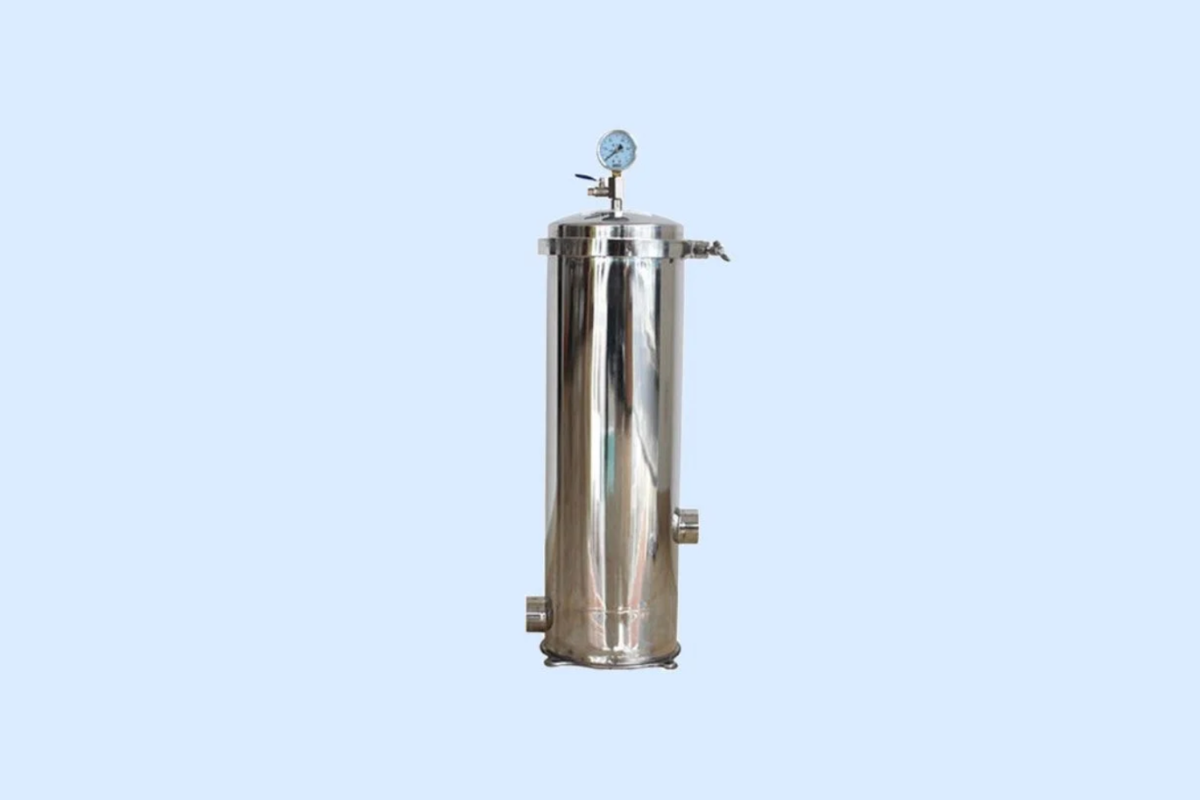
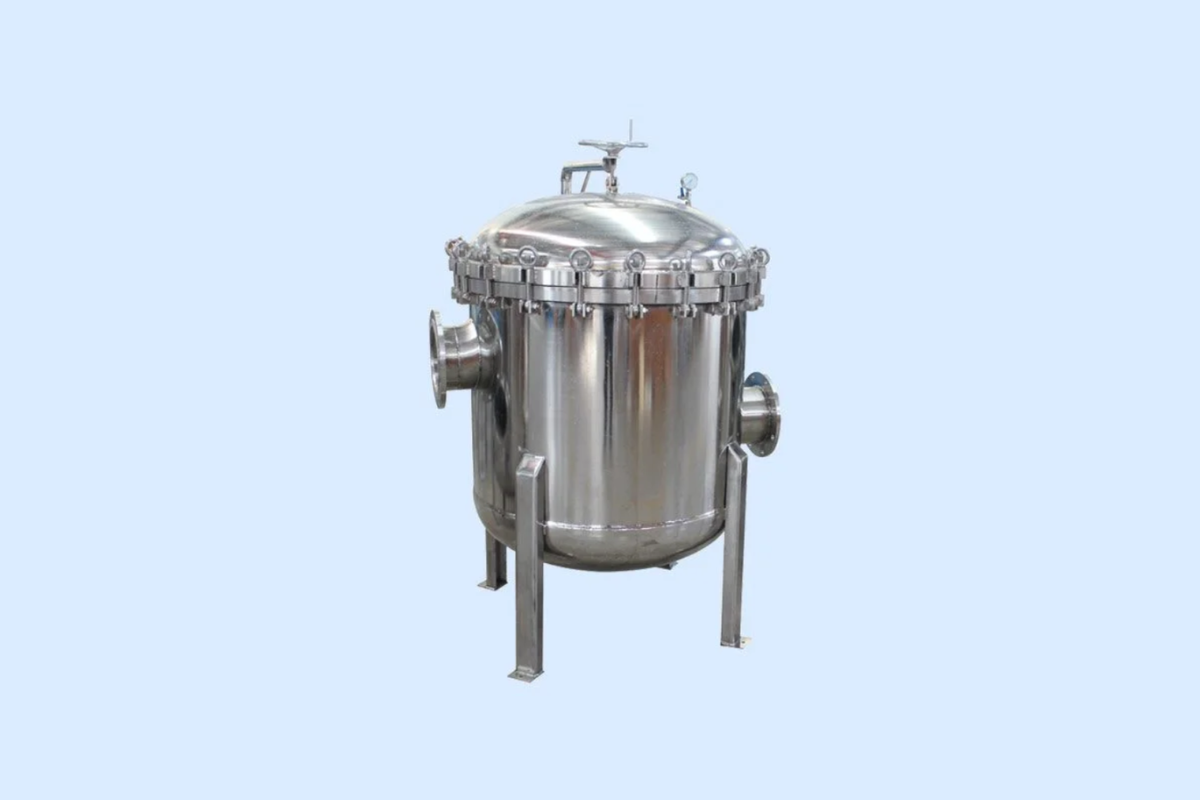
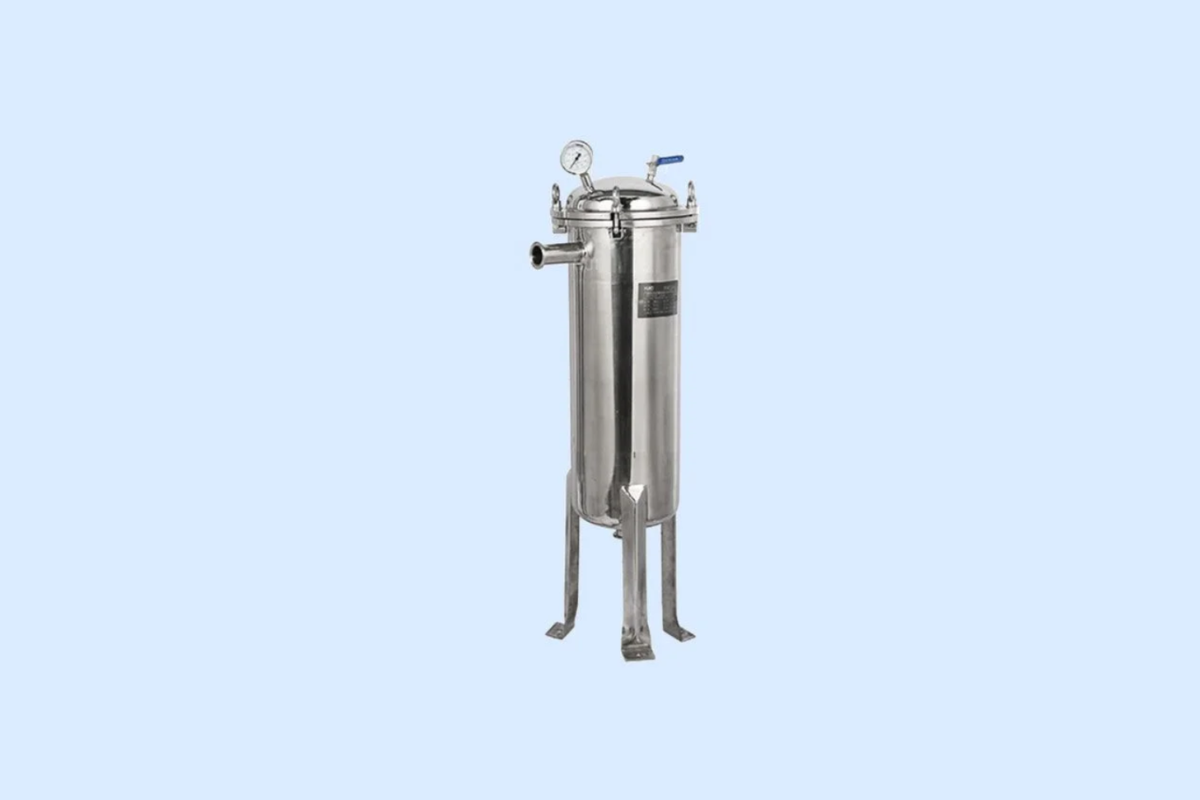
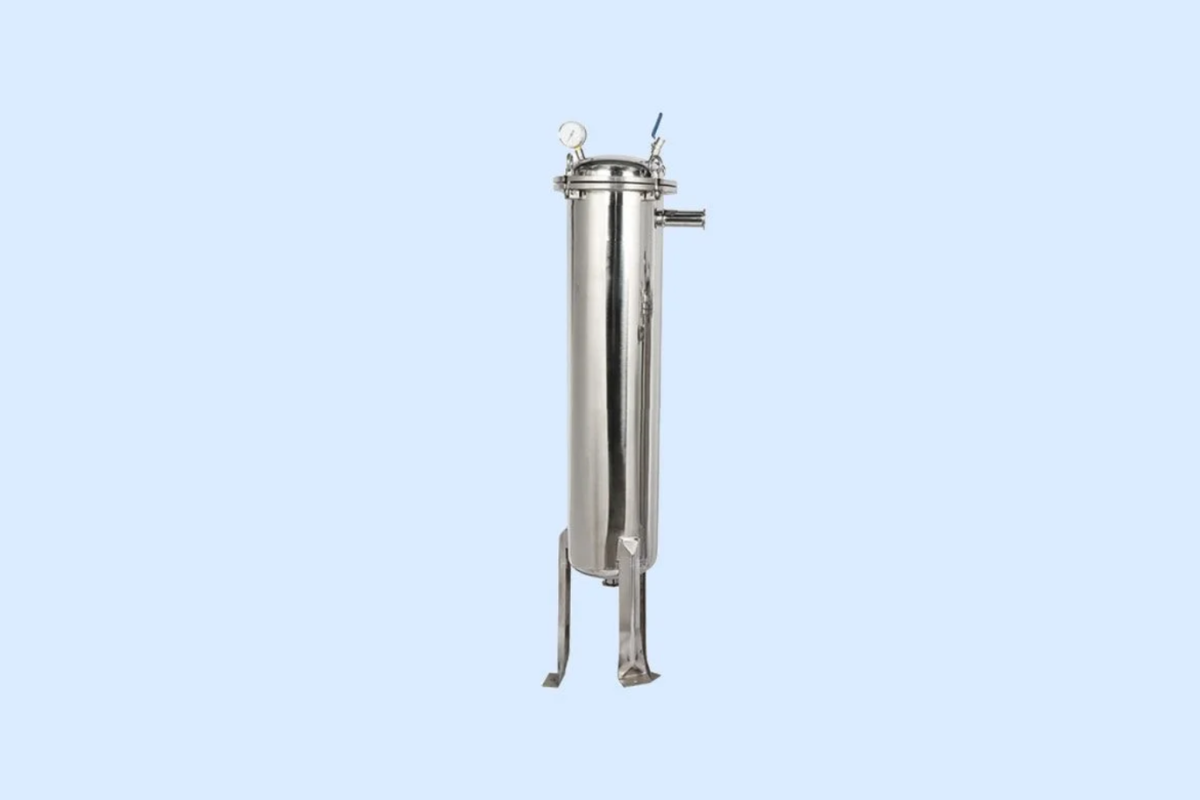
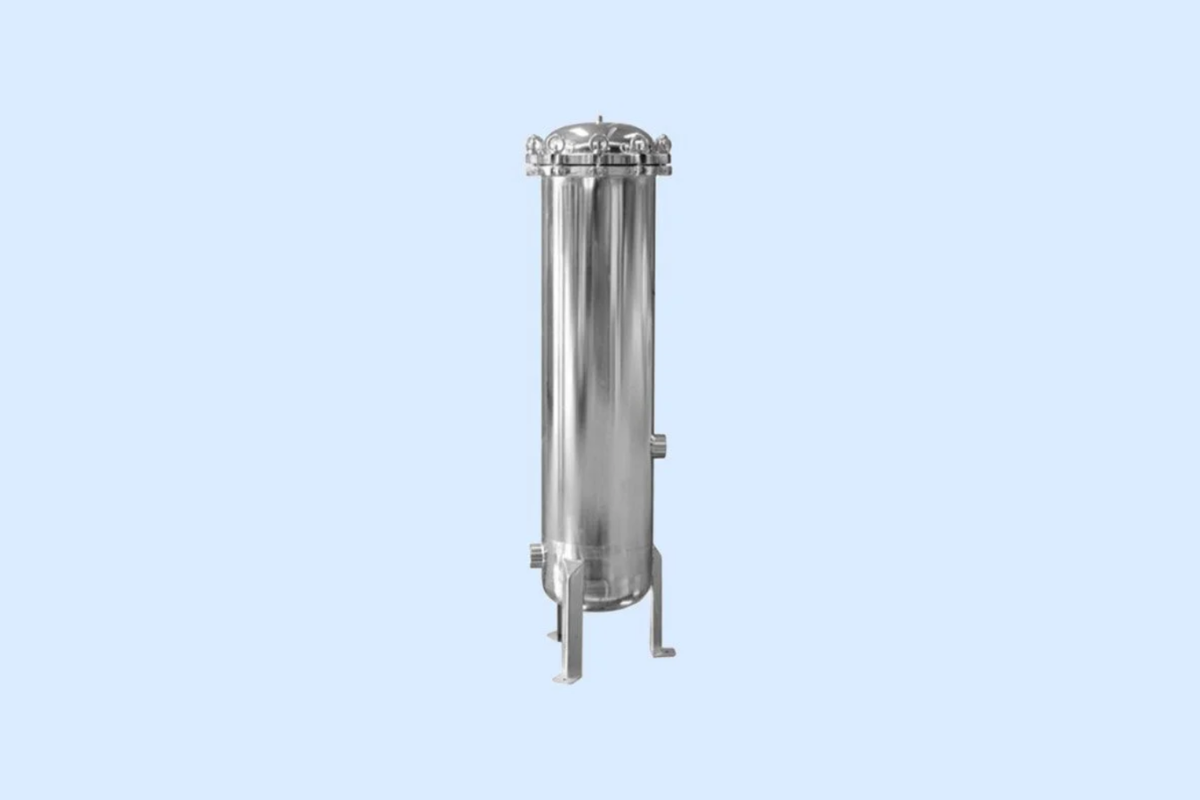
Introduction to Cartridge Filter Housing
In almost every industrial process, from water treatment plants to high-purity pharmaceutical lines, cartridge filter housings serve as the backbone of precision liquid filtration. These pressure vessels are built to house one or more filter cartridges, forming a controlled environment where liquids or gases pass through fine media to remove contaminants at micron-level accuracy. Whether it’s ss cartridge filter housing for critical applications or rugged industrial cartridge filter housing for utility service, their role is consistent: to deliver reliable, repeatable filtration performance across diverse operating conditions.
A typical cartridge housing is fabricated from SS304 or SS316L stainless steel, though alternative materials like duplex alloys, FRP, UPVC, or polypropylene are selected when corrosion resistance or chemical compatibility demands it. Units are designed to withstand pressures ranging from 10 bar for standard service up to 25–40 bar for reinforced or high-pressure duties. Operating temperatures span from −10 °C for chilled water circuits up to 150 °C for steam or hot chemical lines, depending on gasket and material selection.
Cartridge lengths typically follow standardized formats—10″, 20″, 30″, and 40″—allowing engineers to scale flow capacities efficiently. Single-cartridge housings may handle 2–12 m³/hr, while multi-round configurations (up to 150 cartridges) can exceed 500 m³/hr in clean-water equivalents. These configurations give OEMs, EPC contractors, and plant operators the flexibility to tailor filtration systems to specific flow rates, fluid properties, and required micron ratings.
Praimo Industrial Filters designs and fabricates its cartridge housings in line with ASME Section VIII Div. 1, PED 2014/68/EU, and FDA/3-A sanitary standards, ensuring suitability for both domestic and export markets. Each housing undergoes rigorous hydrostatic testing at 1.3×–1.5× design pressure, verifying mechanical integrity before shipment. This engineering discipline translates directly to longer service life, predictable maintenance cycles, and regulatory compliance across industries.
- Micron ratings from 0.2 µm to 100 µm (nominal & absolute)
- Broad material and chemical compatibility
- Easy integration with RO skids, process lines, or mobile systems
- Low maintenance requirements with long service intervals
In short, cartridge filter housings are not just components—they are the core filtration vessels that determine downstream performance, OPEX, and process reliability.
What is a Cartridge Filter Housing?
A cartridge filter housing is essentially a pressure-rated vessel designed to hold one or multiple filter cartridges, ensuring that liquids or gases pass through filtration media in a controlled and leak-free manner. Its primary job is simple but critical: to separate suspended solids and contaminants from process fluids with a defined micron-level accuracy. In most installations, the fluid enters through an inlet nozzle, travels across the cartridges, and exits as a clean, filtered stream—ready for downstream equipment, membranes, or final use.
- Inlet and outlet nozzles – threaded or flanged, usually ranging from ¾″ to 10″ depending on flow duty.
- A removable top cover – secured with swing bolts, quick clamps, or eyebolts for easy cartridge access.
- A tube sheet or cartridge plate – fitted with DOE, 222, 226, or bayonet interfaces to ensure positive sealing.
- Vent and drain connections, plus differential pressure (ΔP) gauge ports for monitoring performance.
The actual filtration happens inside the cartridges. These may be pleated, spun-bonded, sintered, or membrane-based, with ratings ranging from coarse nominal grades (25–100 µm) to absolute fine filtration (0.2 µm) for sterile service. As the fluid flows through, contaminants are captured either on the surface or within the depth of the media, depending on the cartridge type.
- Single-cartridge designs for lab, skid-mounted, or low-flow polishing duties.
- Multi-cartridge housings (5 – 150 rounds) capable of handling 40 – 550 m³/hr under clean water conditions.
By selecting suitable materials (SS316L, Duplex, FRP, UPVC) and gasket types (EPDM, PTFE, Viton), the same basic design can be adapted for aggressive chemicals, high-temperature process streams, or sanitary environments.
Praimo Industrial Filters manufactures housings in compliance with ASME Section VIII, PED 2014/68/EU, and FDA/3-A sanitary standards, making them compatible with both Indian regulatory frameworks and international export specifications. This ensures long operational life, proper sealing without bypass, and consistent filtration efficiency in demanding applications.
How Cartridge Filter Housings Work
A cartridge filter housing operates on a straightforward pressure-driven filtration principle, yet the internal mechanics are engineered with precision to ensure consistent performance over time. Unfiltered liquid enters the vessel through the inlet nozzle, flows across one or more cartridge elements, and exits through the outlet nozzle as clean, filtered fluid. Inside, the housing provides the mechanical strength, flow distribution, and sealing interface needed for the cartridges to perform at their rated micron efficiency — whether that’s a coarse 25 µm prefilter or a 0.2 µm absolute membrane for sterile service.
The process fluid enters the housing from the side or top (depending on configuration), usually via threaded or flanged nozzles sized between ¾″ and 10″.
A baffle or diffuser spreads the flow uniformly across the cartridge bundle, minimizing channeling and dead zones.
Fluid passes outside-to-inside through pleated, spun-bonded, depth, or membrane cartridges. Particles are trapped on the surface or within the media structure depending on cartridge design.
Clean fluid accumulates in the core tubes and is discharged through the outlet nozzle.
Vent and drain ports, along with differential pressure (ΔP) gauges or switches, allow operators to bleed air, drain safely, and track cartridge loading in real time.
Depending on the interface type—DOE (Double Open End), 222/226 O-ring, or bayonet twist-lock—the cartridge seats into the tube sheet or plate, creating a positive, leak-free seal. This ensures there’s no bypass, which is critical when the system is designed for absolute filtration levels (e.g., β₁₀₀₀ ≥ 99.9 % at rated micron). In actual operation, even a small bypass can compromise downstream equipment, so proper seating and O-ring compression are essential.
When dealing with high-viscosity fluids, pressure drop (ΔP) increases roughly in proportion to viscosity up to around 10–15 cP. To maintain throughput without overloading individual cartridges, engineers typically use multi-cartridge housings or high-flow elements. This keeps ΔP within design limits and extends cartridge life.
Praimo Industrial Filters integrates optional pressure gauges, DP switches, and skid-mounted manifolds for automated monitoring, helping operators maintain consistent filtration performance in both utility and critical process applications.
Key Features & Engineering Advantages
Modern cartridge filter housings are designed not just as pressure vessels, but as finely tuned filtration components that maintain performance, safety, and regulatory compliance across demanding industrial environments. In actual operation, the difference between an average housing and a well-engineered one often comes down to the details—seal tolerances, nozzle alignment, surface finish, and cartridge interface precision.
Core Engineering Features
Standard industrial housings are rated for 10–16 bar, with reinforced designs reaching 25–40 bar for high-pressure duties such as injection water or hydraulic oil service. Temperature capabilities range from −10 °C to 150 °C for SS316L and 5–90 °C for UPVC/FRP units, depending on gasket material.
Available in nominal ratings from 1–100 µm and absolute ratings down to 0.2 µm, supporting both coarse filtration and sterile-grade applications.
Options include SS304/SS316L for general duty, Duplex 2205 for chloride-rich or offshore environments, FRP/UPVC for aggressive chemicals, and sanitary electropolished housings for pharmaceutical and food use.
From single-cartridge housings for small utility flows to multi-round units exceeding 500 m³/hr, plus high-flow housings that reduce element count by 50–80 %. Duplex arrangements enable uninterrupted operation during maintenance.
DOE, 222/226 O-ring, or bayonet connections provide leak-free sealing with minimal bypass, ensuring rated micron retention.
All housings are built in accordance with ASME Section VIII Div. 1, PED 2014/68/EU, FDA CFR 21, and 3-A/EHEDG sanitary design standards.
Engineering Advantages in Practice
- Stable Filtration Efficiency – Controlled ΔP and optimized flow distribution maintain high capture efficiency over longer service intervals.
- Extended Service Life – Robust shell construction and appropriate material selection deliver 10–15 years of service in typical industrial conditions.
- Reduced OPEX – Compared to bag filters in fine applications, cartridge housings lower consumable use and change-out frequency.
- Maintenance Accessibility – Swing-bolt covers, quick clamps, and clear venting/draining points make inspection and change-outs faster and safer.
- Export Readiness – Units are supplied with ISPM-15 packaging, CE/PED technical files, and full QA documentation for international projects.
Praimo Industrial Filters leverages in-house fabrication expertise and rigorous QA/QC to deliver cartridge filter housings that align with both Indian IBR standards and global EPC procurement requirements. This combination of engineering depth and compliance makes them a dependable choice for everything from utility filtration to high-purity pharmaceutical applications.
Technical Specifications Overview
Selecting the correct cartridge filter housing isn’t just about matching pipe sizes and flow rates—it’s about ensuring the vessel can reliably handle process conditions, regulatory expectations, and long-term operational demands. In most industrial projects, engineers start with a few non-negotiables: design pressure, temperature envelope, micron rating, and material compatibility. Everything else follows from there.
Cartridge housings are precision-fabricated pressure vessels built to operate under diverse service conditions—from ambient water polishing to high-pressure hydrocarbon filtration. The table below summarizes the typical technical parameters that define performance and selection.
Typical Technical Parameters
| Parameter | Typical Range / Value | Notes |
|---|---|---|
| Cartridge Lengths | 10", 20", 30", 40" | Supports DOE, 222/226, bayonet interfaces |
| Flow Capacity (per 10") | 2.5 – 3.5 m³/hr (water, 20 °C, 5 µm) | Scales with length and cartridge count |
| Housing Pressure Rating | 10 – 16 bar (standard), up to 25 – 40 bar (HP) | Designed per ASME Section VIII Div. 1 |
| Temperature Range | –10 °C to 150 °C (SS); 5 – 90 °C (UPVC/FRP) | Gasket-dependent |
| Filtration Rating | 0.2 – 100 µm (nominal/absolute) | Absolute defined by β1000 ≥ 99.9 % |
| Material Options | SS304, SS316L, Duplex 2205, CS, FRP, UPVC, PP | Selected based on chemical compatibility |
| Compliance Standards | ASME, PED, CE, FDA, ISO 9001 | Full QA dossiers provided |
In actual operation, these specifications influence not just filtration efficiency, but also OPEX, maintenance cycles, and downstream equipment protection. For example, selecting a 40″ multi-round housing with high-flow elements can reduce cartridge count dramatically, stabilizing differential pressure and cutting annual consumable costs.
Every Praimo Industrial Filters housing is hydrotested at 1.3×–1.5× the design pressure, complying with ASME UG-99 and PED 2014/68/EU. Units can be configured for multi-cartridge layouts exceeding 500 m³/hr, depending on viscosity and micron rating. Each vessel ships with 3.1 MTCs, hydrotest certificates, and optional CE marking, ensuring it’s ready for both domestic and export deployments.
Flow Rate vs Cartridge Count
Sizing a cartridge filter housing isn’t guesswork—it’s a calculation that blends cartridge length, number of elements, micron rating, and the fluid’s properties. In actual plant scenarios, engineers often work backward from a required flow (say, 200 m³/hr) to determine the right combination of cartridge length and number of rounds that will keep differential pressure (ΔP) within acceptable limits.
The table below shows typical clean-water capacities for absolute-rated pleated cartridges at 20 °C and 5 µm, which is a common baseline for RO pre-filtration and polishing duties:
Typical Clean Water Flow Capacities
- A 5-round 40" housing typically handles 40–60 m³/hr.
- A 12-round 40" unit can process 100–160 m³/hr.
- A 37-round 40" system reaches 350–550 m³/hr, depending on viscosity and solids load.
However, real-world performance isn’t static. As viscosity rises above 5 cP, pressure drop tends to increase roughly linearly—a factor many engineers underestimate during sizing. This is where high-flow cartridges shine. By offering larger diameters and surface areas, they can reduce element count by 50–80 %, lower ΔP per m³/hr, and minimize change-out frequency.
In practice, Praimo Industrial Filters supplies detailed performance curves and sizing charts, helping EPCs and plant designers match flow requirements to optimal housing configurations. This upfront precision pays off later—cartridges last longer, pumps operate within efficient ranges, and maintenance schedules become predictable.
Pressure Ratings & Hydrotest Standards
When it comes to cartridge filter housings, pressure integrity isn’t negotiable. These vessels are designed to operate under sustained internal pressure, so their wall thickness, head geometry, nozzle reinforcements, and bolting or clamping mechanisms must all conform to recognized pressure vessel codes. In most industrial installations, engineers size housings to match or exceed the maximum operating pressure (MOP) of the process line, then verify their integrity through hydrostatic testing.
Typical Pressure Ratings
| Service Type | Design Pressure | Hydrotest Pressure (1.3–1.5×) | Applicable Codes |
|---|---|---|---|
| Utility / Standard | 10 bar | 13–15 bar | ASME Sec VIII, PED |
| Reinforced Industrial | 16 bar | 21–24 bar | ASME Sec VIII |
| High-Pressure Duty | 25–40 bar | 32–60 bar | ASME Sec VIII, NACE (O&G) |
In practice, most standard stainless steel cartridge housings are rated for 10–16 bar, which comfortably covers utility water, RO pre-filtration, and general process duties. For more demanding services—think hydraulic oils, injection fluids, or offshore water treatment—engineers often specify reinforced or high-pressure housings in the 25–40 bar range. These are built with thicker shells, heavier flanges, and higher-grade bolting systems to handle cyclical pressure loads without fatigue.
Hydrotesting provides the final proof. As per ASME UG-99, every Praimo Industrial Filters housing undergoes hydrostatic testing at 1.3 × to 1.5 × the design pressure before dispatch. This ensures that any weld defects, porosities, or fabrication anomalies are caught well before the vessel reaches site. In critical projects, pneumatic leak testing or third-party inspection (TPI) can be added to the QA plan.
It’s worth noting that pressure class selection isn’t just a mechanical concern—it ties directly into regulatory compliance. Choosing the wrong pressure class can complicate PED/CE conformity assessments or IBR stamping in India. For EPCs and OEMs working on cross-border projects, Praimo’s documentation package (including EN 10204 3.1 MTCs and hydrotest certificates) streamlines approvals and avoids delays.
Filtration Ratings (Nominal vs Absolute)
When specifying a cartridge filter housing, one detail that often gets overlooked during the early design phase is micron rating type. Engineers typically focus on flow, pressure, or material—but the difference between nominal and absolute filtration ratings determines whether a system merely reduces suspended solids or truly delivers high-efficiency contaminant removal. Getting this wrong can mean premature fouling, inconsistent product quality, or even membrane failure downstream.
Nominal Filtration
A nominal micron rating refers to the approximate efficiency of a cartridge at a given particle size—usually in the range of 60 % to 98 % retention. For example, a 5 µm nominal cartridge might allow some particles below that threshold to pass through. These are widely used in utility water, pre-filtration, or low-criticality applications where a bit of variability is acceptable. Think of it as a “best effort” barrier rather than a hard cutoff.
Absolute Filtration
By contrast, absolute-rated cartridges are tested to meet β₁₀₀₀ (Beta 1000) or better, meaning ≥ 99.9 % efficiency at the stated micron size. This is the standard for RO pre-filtration, pharmaceutical fluids, electronics rinsing, and other processes where even trace contamination can have downstream consequences. Housing design plays a critical role here—222/226 O-ring or bayonet interfaces, tight tube sheet tolerances, and proper gasket selection are essential to avoid bypass and maintain rated efficiency.
Typical Micron Rating Comparison
| Micron Rating | Nominal Efficiency | Absolute Efficiency | Common Use |
|---|---|---|---|
| 1 µm | 60 – 90 % | ≥ 99.9 % | Sterile air / ultrapure water |
| 5 µm | 80 – 95 % | ≥ 99.9 % | RO pre-filtration |
| 10 µm | 90 – 98 % | ≥ 99.9 % | Oils, process fluids |
| 25 – 100 µm | 90 – 95 % | ≥ 99.9 % | Utility filtration, coarse solids |
In real-world operation, these ratings affect more than just particle removal—they shape maintenance intervals, membrane lifespan, and energy costs. A housing fitted with nominal depth cartridges might need frequent change-outs as solids bypass and accumulate downstream, whereas a properly sealed absolute pleated element can hold more dirt at lower ΔP, maintaining consistent quality longer.
Praimo Industrial Filters supplies both nominal and absolute cartridges—including pleated polypropylene, glass fiber, and PES membrane types—so engineers can tune their filtration train for either cost-efficient utility service or high-purity applications. For EPC projects, this flexibility often means the difference between hitting performance guarantees and facing unexpected OPEX creep.
Cartridge Interface Types
The cartridge interface is a deceptively small detail that plays a critical role in the performance of a cartridge filter housing. This interface determines how the cartridge seals against the tube sheet, how evenly the flow distributes, and whether contaminants can bypass the media. In practice, a well-designed housing can underperform dramatically if the wrong interface is chosen—or if the seal degrades over time under pressure or temperature cycling.
Common Interface Types
| Interface Type | Description | Typical Applications | Advantages |
|---|---|---|---|
| DOE (Double Open End) | Open at both ends; sealed by flat gaskets at the top and bottom | Utilities, polishing, low-pressure service | Cost-effective, simple replacement |
| 222 O-Ring | O-ring on end cap fits into housing recess | Pharma, high-purity water, RO prefilters | Leak-free, repeatable sealing, minimal bypass |
| 226 Fin / O-Ring | Dual O-ring with locking fins | High-pressure, critical service | Positive locking, excellent sealing under pressure |
| Bayonet / High-Flow | Twist-lock or bayonet interface for large-diameter high-flow elements | High-flow systems, skid filtration | Quick changeouts, fewer elements needed for large flow capacities |
In real installations, the choice of interface often comes down to service criticality, operating pressure, and maintenance practicality:
- DOE interfaces are widely used in low-pressure or utility applications. They rely on gasket compression at both ends, which works well when tolerances are tight and pressure is moderate.
- 222 and 226 O-ring interfaces provide a much more positive, axial seal. For absolute-rated cartridges, these are the go-to choice, as they minimize bypass and ensure consistent β₁₀₀₀ performance.
- Bayonet or high-flow designs are increasingly popular for large-scale RO and process skids. A single high-flow element can handle 15–25 m³/hr, significantly reducing element count and change-out time.
One overlooked issue in the field is O-ring degradation—especially under elevated temperatures or in aggressive chemical service. A hardening or flattened O-ring can lead to bypass without obvious external leakage. This is why many EPC specifications now call for PTFE or FKM O-rings and precision-machined tube sheet recesses to ensure repeatable sealing over the housing’s life.
Praimo Industrial Filters manufactures housings compatible with DOE, 222/226, and bayonet interfaces, ensuring global cartridge interchangeability. This allows engineers to select from a wide range of cartridge suppliers while maintaining compliance with ASME, PED, and FDA sanitary standards.
Performance Curves & ΔP Behavior
For engineers specifying cartridge filter housings, understanding pressure drop (ΔP) behavior is just as important as selecting the right micron rating or material. Misjudging how ΔP evolves under flow can lead to undersized systems, early cartridge changeouts, or unexpectedly high energy costs. In other words, if the pressure–flow relationship isn’t modeled correctly, even a perfectly fabricated housing can become a bottleneck in the line.
Typical Clean Water ΔP Characteristics
For clean water at 20 °C and a 5 µm absolute pleated cartridge (10″), the initial pressure drop is typically in the 0.02 – 0.05 bar range at 3 m³/hr. This is a good baseline for sizing, but actual curves vary depending on:
- Cartridge length and number → Longer or multiple cartridges increase surface area, spreading the flow and reducing ΔP per unit flow.
- Micron rating → Tighter cut-points (e.g., 0.2 µm) produce higher initial ΔP.
- Fluid viscosity → Up to about 10–15 cP, ΔP scales roughly linearly with viscosity. Beyond that, non-Newtonian effects or correction charts become necessary.
- Nozzle and head losses → Typically add 0.02–0.06 bar, depending on inlet size (DN80–DN150).
Representative ΔP vs Flow Curve (Water, 5 µm, 10")
| Flow (m³/hr) | 1 | 2 | 3 | 4 |
|---|---|---|---|---|
| AP (bar) | 0.01 | 0.02 | 0.04 | 0.07 |
As filtration progresses, contaminants accumulate, and ΔP gradually rises. The end-of-life setpoint is usually set between 0.8 – 1.5 bar for pleated or depth cartridges, and 0.6 – 0.8 bar for membrane filters (to protect integrity). This pressure threshold determines when cartridges are changed or cleaned (CIP), and therefore drives both maintenance cycles and energy consumption.
Practical Design Implications
Sizing housings based only on nominal flow can backfire. For example, if a process fluid has viscosity of 20 cP, the pressure drop through the same cartridge can more than double, shifting the entire curve upward. In high-throughput systems, engineers often compensate by adding more cartridges or switching to high-flow elements, which offer 50–80 % element reduction for the same duty.
Praimo Industrial Filters provides detailed performance curves and viscosity correction charts for different media and micron ratings. These allow EPCs, OEMs, and plant designers to model ΔP accurately during the design phase, ensuring stable operation, longer cartridge life, and lower OPEX over the equipment’s lifecycle.
Materials & Construction Options
Selecting the right materials of construction is one of the most critical engineering decisions when specifying a cartridge filter housing. The choice determines not only the chemical compatibility and corrosion resistance, but also the mechanical integrity, regulatory compliance, and ultimately the service life of the unit. In practice, mismatched material selection is a common root cause of premature failure — pitting, gasket degradation, or coating breakdown often show up within months when the chemistry and metallurgy don’t align.
Common Materials & Their Applications
| Material | Pressure Class | Temp Range (°C) | Key Properties / Applications |
|---|---|---|---|
| SS304 | 10–16 bar | −10 to 120 | Cost-effective, utilities, non-chloride service |
| SS316L | 10–25 bar | −10 to 150 | Excellent corrosion resistance; default for export & pharma |
| Duplex 2205 | 16–25 bar | −10 to 150 | Superior pitting/crevice resistance; offshore, high-chloride environments |
| CS (coated) | 10–25 bar | −10 to 120 | High strength, economical; requires internal lining or external paint |
| FRP | 6–10 bar | 5 to 70 | Lightweight, corrosion-proof; ideal for chemical services |
| UPVC / PP | 6–10 bar | 5 to 60–90 | Cost-efficient; excellent resistance to alkalis and many acids at moderate temps |
Engineering Notes
- Stainless steels (304/316L) remain the industry standard for most industrial liquid services. Their combination of structural strength, global availability, and material traceability (e.g., EN 10204 3.1 MTCs) makes them the default for EPCs and OEMs.
- Duplex stainless steel steps in when chlorides or aggressive cooling waters are present. Its resistance to pitting and crevice corrosion makes it the go-to choice for offshore, desalination, and oil & gas environments.
- Carbon steel housings, usually coated internally, are still popular for non-corrosive hydrocarbon streams because they offer high pressure ratings at lower cost. However, coating integrity must be monitored during service.
- FRP, UPVC, and PP options shine in chemical processing or cost-sensitive utility filtration. They offer excellent chemical resistance and low weight but have lower pressure and temperature tolerances than metals. For many acid or alkali streams, these can outperform stainless steel in long-term durability.
Regulatory & Surface Finish Considerations
For sanitary or pharmaceutical service, housings can be electropolished to Ra ≤ 0.8 µm, meeting FDA CFR 21, 3-A, and EHEDG hygienic standards. This finish improves cleanability, reduces hold-up volume, and supports CIP/SIP operations. By contrast, industrial housings typically use a mechanical polish (Ra ≤ 1.6–3.2 µm), which is sufficient for most utility and process water duties.
All Praimo Industrial Filters housings are fabricated to ASME Section VIII Div. 1 and, where applicable, PED requirements. Optional CE marking, 3.1 MTCs, and hydrotest certificates are supplied for export-ready documentation. For offshore or sour service, NACE MR0175/ISO 15156 compliance is available upon request.
Stainless Steel Housings
For most industrial applications, stainless steel cartridge filter housings are the benchmark. Their strength, corrosion resistance, and compatibility with international standards make them the default choice across industries ranging from pharmaceutical and food processing to water treatment, power, and chemicals. When properly fabricated and maintained, these housings offer decades of service life, even in demanding environments.
Material Grades & Applications
Praimo Industrial Filters manufactures stainless steel housings in SS304, SS316L, and Duplex 2205, each suited to specific operating conditions:
- SS304 – Cost-effective for general utility filtration where chloride content is low. Commonly used for process water, cooling lines, and non-aggressive fluids.
- SS316L – The industry workhorse for export and sanitary applications. Its molybdenum content improves resistance to pitting and general corrosion, making it suitable for higher temperatures and more aggressive media.
- Duplex 2205 – Used in offshore, desalination, and high-chloride applications. Its dual-phase structure provides excellent resistance to pitting, crevice corrosion, and stress corrosion cracking, far exceeding conventional austenitic grades.
Typical Technical Range
| Parameter | Value / Range |
|---|---|
| Pressure Rating | 10 – 25 bar |
| Temperature Range | −10 °C to 150 °C |
| Surface Finish (Industrial) | Ra ≤ 1.6 – 3.2 µm |
| Surface Finish (Sanitary) | Ra ≤ 0.8 µm (electropolished) |
| Compliance | ASME VIII, PED, FDA, 3-A, ISO 9001 |
Engineering Notes
- SS316L housings are the default for sanitary and export markets because they balance mechanical strength with chemical resistance. Many EPC specifications make SS316L mandatory for RO pre-filtration and critical process streams.
- Electropolished sanitary housings dramatically improve CIP/SIP drainability, reduce biofilm risk, and meet FDA/3-A hygiene requirements.
- Duplex 2205 extends housing life in chloride-laden or aggressive cooling waters, often doubling service intervals compared to standard stainless steel.
- SS housings are compatible with DOE, 222, 226, and bayonet cartridge interfaces, ensuring global cartridge availability and easy integration into skid systems.
Every stainless housing fabricated by Praimo Industrial Filters follows ASME Section VIII Div. 1 design rules. Units can be supplied with CE marking, EN 10204 3.1 MTCs, and hydrotest certificates, making them fully compliant for domestic and international EPC tenders. For pharma and food applications, documentation includes FDA CFR 21 and 3-A sanitary certificates.
FRP / UPVC / Polypropylene Housings
Not every filtration duty calls for stainless steel. In many chemical processing, water treatment, and utility filtration systems, FRP, UPVC, or polypropylene cartridge filter housings offer a smarter, more economical alternative. These non-metallic constructions provide excellent corrosion resistance, lower weight, and easier handling—making them ideal for installations where chemical compatibility and cost control take precedence over extreme pressure ratings.
Key Material Characteristics
| Material | Pressure Class | Temp Range (°C) | Key Advantages |
|---|---|---|---|
| FRP | 6 – 10 bar | 5 – 70 | Exceptional chemical resistance, lightweight, minimal maintenance |
| UPVC | 6 – 10 bar | 5 – 60 | Smooth internal surfaces, cost-effective, no corrosion |
| Polypropylene | 6 – 10 bar | 5 – 90 | Strong acid and alkali resistance, economical, easy to install |
Engineering Notes & Applications
- FRP housings are commonly deployed in aggressive chemical streams, desalination plants, or acid handling systems where steel would corrode prematurely. Their smooth internal surfaces help minimize scaling and fouling, particularly in brine or chemical service.
- UPVC units are popular for small and medium utility duties. Their lightweight design allows quick installation without heavy lifting equipment—ideal for secondary filtration lines, neutralization units, or CIP systems.
- Polypropylene housings are especially suited for strong acids and alkalis. In many plants, they serve as economical polishing filters or pre-filters upstream of more expensive stainless systems.
While these materials offer significant corrosion resistance, their mechanical strength and temperature ratings are lower than steel. They’re typically used in non-critical, low- to medium-pressure applications, or as pretreatment stages to protect downstream equipment.
Integration & Compliance
All non-metallic housings from Praimo Industrial Filters are manufactured to tight dimensional tolerances, ensuring compatibility with standard DOE, 222, and 226 cartridge interfaces. They can be supplied with flanged or threaded nozzles, pressure relief accessories, and venting ports to match industrial piping layouts.
Although they’re generally not designed to ASME code, these housings undergo internal hydrotests and QA checks to ensure leak-tight performance under rated conditions. Their chemical compatibility, lightweight structure, and cost efficiency make them a practical choice for plants seeking to reduce capital costs without compromising basic filtration reliability.
High-Flow & Multi-Cartridge Designs
When flow capacities climb beyond a few dozen cubic meters per hour, single-cartridge housings quickly reach their limits. That’s where multi-cartridge and high-flow cartridge filter housings step in. These designs are engineered for large-scale liquid processing—typical in RO pre-filtration, cooling water systems, bulk chemical filtration, and hydrocarbon treatment—where continuous operation, stable pressure drop, and ease of maintenance are critical.
Multi-Cartridge Housing Specifications
| Parameter | Typical Range / Value |
|---|---|
| Number of Cartridges | 5 – 150 rounds (40″ length) |
| Shell Diameter (OD) | Ø273 – Ø1200 mm |
| Tangent-to-Tangent Length | 800 – 2400 mm |
| Flow Range (Clean Water, 5 µm) | 40 – 550 m³/hr |
| Nozzle Sizes | 2″ – 10″ (DN50 – DN250), threaded or flanged |
These housings are typically installed vertically, using 222 or 226 O-ring–sealed cartridges to ensure precise seating and minimal bypass. Their modular design allows engineers to scale flow capacity by simply increasing the cartridge count, without major changes to the overall skid or piping layout.
High-Flow Element Designs
| Parameter | High-Flow Element (6–8″ OD) | Standard Pleated (2.5″ OD) |
|---|---|---|
| Typical Flow per Element | 15 – 25 m³/hr | 8 – 12 m³/hr |
| Element Reduction | 50 – 80 % fewer elements | — |
| Housing Footprint | Smaller or similar | Larger for same flow |
| Change-Out Time | 40 – 50 % lower | — |
High-flow cartridges use a larger diameter and a unique bayonet or twist-lock interface, allowing higher flow through fewer elements. This directly translates to smaller housing footprints, shorter maintenance intervals, and lower OPEX—especially beneficial in large industrial plants or EPC projects where space and labor costs are significant.
Engineering & Operational Insights
- Multi-round housings are best suited for centralized filtration systems where flows range from 40 to 550 m³/hr. They are often paired with duplex changeover manifolds, enabling uninterrupted operation during cartridge change-outs.
- High-flow configurations reduce the total number of elements required by up to 80 %, making change-outs faster and minimizing consumable costs over the equipment lifecycle.
- Horizontal layouts are sometimes preferred in skid-mounted systems to save vertical space, especially in containerized or offshore installations.
All Praimo Industrial Filters high-flow and multi-cartridge housings are fabricated to ASME Section VIII Div. 1 and PED 2014/68/EU standards, ensuring they meet both domestic Indian regulatory requirements and export project specifications. Optional features include DP gauge ports, vent/drain connections, CE marking, ISPM-15 export packaging, and third-party inspection for EPC deliveries.
Regulatory & Compliance Standards
Cartridge filter housings are not just pieces of hardware — they are pressure-rated vessels that must comply with strict international design, fabrication, and sanitary standards. Whether it’s a pharmaceutical plant in Europe, an offshore platform in the Middle East, or a power station in India, regulatory compliance determines whether a housing can legally and safely be installed.
Praimo Industrial Filters fabricates every unit to align with globally recognized codes. This ensures design integrity, operational safety, and seamless acceptance during project approvals, both domestically and for export.
Key Standards & Codes
| Category | Standard / Code | Scope of Compliance |
|---|---|---|
| Pressure Vessel Design | ASME Section VIII Div. 1, EN 13445 | Defines design calculations, shell thickness, reinforcement, and hydrotest requirements. |
| Regulatory Marking | PED 2014/68/EU, CE Marking | Mandatory for EU/EEA exports; confirms conformity with European pressure directives. |
| Welding & QA | ASME Section IX, WPS/PQR, ISO 9001 | Covers welding procedures, qualifications, and quality management systems. |
| Food & Pharma | FDA CFR 21, 3-A, EHEDG, USP Class VI | Governs hygienic design, surface finish, and material safety for sanitary applications. |
| Oil & Gas / Sour Service | NACE MR0175 / ISO 15156 | Ensures corrosion resistance in chloride- and H₂S-rich environments. |
| Indian Regulations | IBR, BIS / FSSAI | Required for boiler connections and food & beverage compliance within India. |
Hydrostatic testing is carried out at 1.3–1.5× the Maximum Allowable Working Pressure (MAWP) in accordance with ASME UG-99. Material traceability is maintained through EN 10204 3.1 MTCs, and every sanitary unit undergoes Ra surface finish verification (≤ 0.8 µm) to meet FDA/3-A hygiene requirements.
For installations in hazardous zones, Praimo can provide ATEX advisory to ensure alignment with equipment directives in explosive atmospheres. This is especially relevant for chemical, petrochemical, and offshore applications.
Why Compliance Matters
High-flow cartridges use a larger diameter and a unique bayonet or twist-lock interface, allowing higher flow through fewer elements. This directly translates to smaller housing footprints, shorter maintenance intervals, and lower OPEX—especially beneficial in large industrial plants or EPC projects where space and labor costs are significant.
Using housings pre-certified to ASME, PED, or FDA standards drastically shortens EPC technical review cycles.
CE-marked and PED-compliant housings avoid costly redesigns when exporting to the EU or MENA.
Proper hydrotesting and code compliance reduce the risk of operational failures and legal liabilities.
For pharma and F&B sectors, hygienic design ensures regulatory audits are passed without deviations.
In real procurement scenarios, non-compliance is a deal-breaker. That’s why every Praimo cartridge filter housing ships with a comprehensive QA documentation package — including design calculations, welding records, hydrotest certificates, and regulatory declarations — making technical submissions straightforward for EPCs, OEMs, and procurement engineers worldwide.
Compliance Matrix
When specifying cartridge filter housings for industrial or sanitary applications, procurement teams and EPC engineers often need to map each housing type against applicable codes and certifications. This is where a compliance matrix becomes invaluable. Instead of digging through technical dossiers and cross-referencing standards line by line, the matrix lays out — at a glance — how each housing configuration aligns with regulatory frameworks.
Praimo Industrial Filters uses this structured approach to streamline technical evaluations, particularly for export projects, EPC tender submissions, and pharma/food regulatory approvals. It reduces back-and-forth during RFQ stages and ensures the right housing is selected the first time.
Cartridge Filter Housing Compliance Matrix
| Housing Type / Application | Design Code | Regulatory Marking | Sanitary Standard | Material Certs | Special Notes |
|---|---|---|---|---|---|
| Standard Industrial SS304/316L |
ASME Sec. VIII Div. 1 | PED / CE (opt.) | — | 3.1 MTC | Hydrotest at 1.3× MAWP, ISO 9001 QA |
| Sanitary Pharma / F&B | ASME + EN 13445 | PED / CE | FDA CFR 21, 3-A, EHEDG | 3.1 MTC | Ra ≤ 0.8 µm, electropolish, USP Class VI |
| High-Pressure Units | ASME Sec. VIII + NACE | PED / CE (opt.) | — | 3.1 MTC | 16–40 bar rating, sour service compatibility |
| FRP / UPVC / PP Units | Custom (Non-code) | — | — | — | Chemical service, low-temp / low-pressure duties |
| Duplex / Skid Systems | ASME Sec. VIII Div. 1 | PED / CE | Optional sanitary | 3.1 MTC | ATEX advisory for hazardous zones |
How to Use This Matrix in Real Projects
In practice, EPC teams often attach such matrices to technical bid evaluations or compliance statements during RFQ submissions. Here’s why:
Clear mapping between housing type and regulatory standard eliminates delays during technical clarifications.
QA teams can directly link the housing category to corresponding certificates (e.g., PED Declaration, ASME calculations, Ra finish reports).
For export projects, this matrix provides quick evidence that the selected housing complies with EU (PED/CE), FDA/3-A for sanitary, or NACE for oil & gas.
Auditors and notified bodies can verify compliance at a glance, without sifting through dozens of pages.
In Praimo’s standard QA package, every housing is delivered with:
- Design calculations and drawings stamped to the relevant code.
- Hydrotest reports at 1.3–1.5× design pressure.
- EN 10204 3.1 MTCs for all wetted pressure parts.
- WPS/PQR welding documents and, where applicable, sanitary surface finish certifications.
This level of documentation greatly accelerates procurement, especially for international tenders where compliance gaps can cause disqualification or costly rework.
Engineering Benefits & Comparisons
In industrial filtration, choosing the right housing is often a balancing act between filtration precision, mechanical strength, lifecycle cost, and maintenance practicality. Cartridge filter housings sit at a sweet spot — delivering high-efficiency filtration and structural robustness, while remaining flexible enough to scale from small utility lines to large, multi-round skid systems.
Unlike bag filters or coarse self-cleaning strainers, cartridge housings are engineered for precision. Their modular nature and broad material options make them equally suitable for polishing duties in food plants, RO pre-filtration in municipal systems, or high-pressure service in oil and gas facilities.
Key Engineering Benefits
Absolute-rated cartridges (β₁₀₀₀) achieve ≥ 99.9 % capture at their rated micron size. This is critical for protecting sensitive downstream equipment like RO membranes, instrumentation, or process reactors.
Whether it's a single 10″ housing for lab use or a 150-round 40″ system pushing 800 m³/hr, cartridge housings can be tailored precisely to the application.
Stainless steel housings are typically rated up to 25 bar and 150 °C, with hydrotests conducted at 1.3–1.5 × MAWP. Duplex and high-pressure variants extend this further for offshore or injection service.
Options like SS304, SS316L, Duplex 2205, FRP, UPVC, and PP cover virtually every chemical and thermal regime encountered in industry — from acidic process streams to sanitary water.
ASME, PED/CE, FDA, and 3-A certifications allow Praimo cartridge filter housings to be deployed confidently in India, the EU, MENA, and other international markets.
Cartridge vs. Bag vs. Self-Cleaning Filters
| Parameter | Cartridge Housing | Bag Filter | Self-Cleaning Filter |
|---|---|---|---|
| Micron Rating | 0.1 – 100 µm (absolute) | 1 – 200 µm (nominal) | ≥ 50 µm |
| Filtration Efficiency | High (β₁₀₀₀) | Moderate (β₁₀ – β₅₀) | Coarse only |
| Change-out Frequency | Moderate | Higher | Low |
| CapEx / OpEx | Moderate | Low / Higher OpEx | High CapEx / Low OpEx |
| Maintenance Skill | Medium | Low | Higher (automated systems) |
Interpreting this table in practice:
- Cartridge housings deliver tighter cut-points and predictable performance compared to bag filters, making them indispensable for RO protection, sterile filtration, and contamination-sensitive processes.
- Compared to self-cleaning filters, they offer higher precision at lower capital cost, making them ideal for medium-to-high flow applications that still demand fine filtration.
- Maintenance is more frequent than self-cleaning systems but less messy than bag changes, and duplex configurations can nearly eliminate downtime.
Why Engineers Choose Cartridge Housings
In real installations, engineers often favor cartridge housings because they can scale performance without redesigning the entire system. Want to double flow? Add more cartridges or move to high-flow elements. Need higher efficiency? Swap in absolute-rated membranes. Regulatory requirements changed? Sanitary versions with 3-A and FDA compliance are available without altering the piping layout.
This modularity, combined with tight particulate control, makes cartridge housings a strategic filtration backbone across industries.
Praimo Industrial Filters leverages this advantage by supplying custom configurations—from utility-grade SS304 units to fully PED/CE-certified duplex skids—backed by engineering documentation that simplifies EPC approvals and international shipping.
Performance Curves & Flow Behavior
When selecting or sizing a cartridge filter housing, numbers alone aren’t enough. Engineers need to understand how pressure drop (ΔP) behaves under different flow rates, fluid viscosities, and micron ratings. This is where performance curves become indispensable. They tell you, in very practical terms, how the housing and cartridges will behave over time — not just on paper.
For clean water at 20 °C, a typical 10″ pleated absolute cartridge (β₁₀₀₀, 5 µm) exhibits an initial ΔP of 0.02 – 0.05 bar at 2–3 m³/hr. As flow increases, ΔP rises predictably, governed by the basic relationship between surface area, pore structure, and fluid properties. Higher viscosity or tighter micron ratings shift the curve upwards, often significantly.
Typical Initial ΔP vs Flow – Clean Water, 20 °C
| Cartridge Length | Flow (m³/hr) | Initial ΔP (bar) |
|---|---|---|
| 10″ | 2 – 3 | 0.02 – 0.05 |
| 20″ | 4 – 6 | 0.03 – 0.06 |
| 30″ | 6 – 9 | 0.04 – 0.07 |
| 40″ | 8 – 12 | 0.05 – 0.08 |
| 40″ High-Flow (6.5″ OD) | 15 – 25 | 0.03 – 0.06 |
Key Flow Behavior Insights
For fluids up to around 10–15 cP, ΔP tends to increase linearly with viscosity. Once you enter non-Newtonian territory (e.g., paints, slurries), empirical testing or correction charts become necessary. A 5 µm cartridge filtering oil at 50 cP, for instance, can experience 3–4× the ΔP seen with water.
Longer cartridges provide more surface area, reducing ΔP per unit flow. High-flow designs (6–8″ OD) cut element counts dramatically — often by 50–80 % — while maintaining low differential pressure.
Operators typically trigger cartridge change-out or CIP when ΔP reaches:
- 0.8 – 1.5 bar for pleated or depth cartridges
- 0.6 – 0.8 bar for membrane filters (to protect integrity)
In real installations, nozzle losses add another 0.02–0.06 bar, depending on inlet size (DN80–DN150). Ignoring this is a common sizing mistake that leads to underperforming systems.
Recommended Visuals
To communicate this data effectively in a technical or SEO page, the following visuals should be included:
- ΔP vs Flow Chart for 1, 5, and 20 µm cartridges (10″–40″).
- Viscosity Correction Graph covering 1–100 cP.
- Sizing Chart linking flow rates to cartridge counts and lengths.
Engineering Perspective
Many engineers underestimate ΔP behavior during the design stage — then face unexpected high energy costs or premature cartridge fouling once the system goes online. In practice, sizing housings with a comfortable margin (or switching to high-flow elements) can significantly extend cartridge life and reduce OPEX. Oversizing isn’t wasteful here; it’s strategic.
Praimo Industrial Filters provides detailed performance curves and viscosity correction data for different cartridge media, helping EPCs, OEMs, and plant engineers optimize housing selection with real-world flow dynamics in mind.
Applications & Industries
Cartridge filter housings are workhorses across a remarkably wide range of industrial fluid systems. Their ability to deliver filtration ratings from 0.1 µm to 100 µm, combined with broad material compatibility (SS316L, Duplex 2205, FRP, UPVC, PP), makes them equally effective in utility services, high-purity pharmaceutical lines, and harsh chemical environments. Whether the goal is protecting downstream equipment, improving product quality, or meeting regulatory discharge limits, cartridge housings are often the final barrier standing between clean process fluid and costly contamination.
Key Industries & Typical Uses
- Oil & Gas / Petrochemicals Cartridge housings are deployed for produced water treatment, injection fluid polishing, and process stream filtration, where duplex configurations allow continuous duty even in critical lines. Duplex 2205 and high-pressure SS316L models are often specified for offshore or sour service in compliance with NACE MR0175.
- Water & Wastewater They form a critical stage in RO and UF pre-filtration, polishing stages, and SDI reduction. By removing fine particulates, they extend membrane life, stabilize system performance, and reduce CIP frequency — a key cost factor in desalination and municipal water projects.
- Pharmaceutical & Biotech Sanitary housings fitted with 0.2–0.45 µm absolute cartridges are standard for sterile air, WFI polishing, and CIP fluid filtration. Electropolished SS316L surfaces (Ra ≤ 0.8 µm) and FDA/3-A compliance make them suitable for validated critical applications.
- Food & Beverage Used in clarification, pre-filling filtration, and equipment protection, these housings support high hygienic standards. All sanitary variants are fabricated to FDA and 3-A requirements, ensuring batch integrity and ease of CIP.
- Power & Heavy Industry Applied in lube oil polishing, condensate filtration, turbine protection, and varnish removal, cartridge systems help maintain ISO 4406 cleanliness levels, reducing bearing wear and unplanned shutdowns.
- Chemicals, Paints & Inks Selected for viscous fluids (often 100–500 cP) and solvent streams requiring PTFE/FKM seals, these housings provide tight particulate control without the maintenance burden of frequent bag changes.
Representative Application Data
| Application | Flow (m³/hr) | Micron Rating | Efficiency Impact |
|---|---|---|---|
| RO Prefiltration (12-round) | 140 | 5 µm absolute | SDI reduced from 6 → 3–4; membrane life +20–30 % |
| Lube Oil Polishing (19-round) | 60 | 10 µm nominal | Bearing failures −30 %, oil life +25 % |
| Beverage Final Filtration (3-round) | 10 | 0.45 µm PES | 100 % batch integrity, hold-up volume −18 % |
These figures illustrate how properly selected cartridge housings directly affect operational KPIs—from membrane lifespan to equipment reliability and production uptime.
Engineering Perspective
In practice, engineers often standardize cartridge housings across multiple process areas to simplify maintenance and inventory. A plant might use identical 40″ SS316L housings for RO pre-filters, chemical polishing, and final rinse filtration—changing only the cartridge media and micron ratings to suit the duty. This approach reduces spare part complexity and speeds up change-outs without sacrificing process integrity.
Praimo Industrial Filters supplies cartridge housings tailored to sector-specific codes and standards, including PED, FDA, NACE, and IBR, ensuring seamless deployment across both domestic Indian installations and export EPC projects in the EU, MENA, and SEA regions.
Industry-Specific Application Examples
Real-world case data often speaks louder than datasheets. Cartridge filter housings have been deployed in thousands of installations, but a few representative examples highlight just how measurable their impact can be when correctly selected and sized. These examples span different industries, flow rates, and regulatory environments — from municipal water to steel mills and sanitary beverage lines — illustrating both the technical performance and operational benefits achievable with well-engineered systems.
1. RO Prefiltration – Municipal Water (India)
- This project involved a 160 m³/hr municipal water stream with turbidity levels ranging from 5–12 NTU and an SDI of 6–7—challenging conditions for downstream RO membranes. The original setup used 10 µm nominal bag filters, which required frequent maintenance and led to membrane fouling every 3–4 months.
- Praimo Industrial Filters retrofitted the system with a 12-round 40″ cartridge filter housing, fitted with 5 µm absolute pleated cartridges. Initial clean ΔP dropped to just 0.1 bar, and after six months of continuous service, SDI was consistently reduced to 3–4. Membrane CIP intervals extended by 40 %, cartridge change-outs stabilized at 6–8 weeks, and overall prefilter OPEX declined by 22 %.
- Key takeaway: Correct sizing and absolute-rated elements significantly improve membrane life and reduce operating costs.
2. Lube Oil Polishing – Steel Mill (MENA)
- In a steel mill operating continuous rolling lines, lubricant cleanliness was critical. The target was ISO 4406 cleanliness code 16/14/11 for circulating lube oil. The existing filtration setup struggled to maintain these levels, resulting in frequent bearing failures and high oil replacement costs.
- The solution: a 19-round 40″ SS316L cartridge housing, fitted with 10 µm β1000 glass-fiber pleated cartridges, designed for 80 m³/hr of viscous oil. Over a 10-week operating cycle, end-of-life ΔP stabilized around 1.2 bar. The plant recorded a 30 % reduction in bearing failures and extended oil change intervals by 25 %, achieving both cost and reliability improvements.
- Key takeaway: For viscous fluids, high-surface-area pleated cartridges in a properly rated SS housing can stabilize cleanliness and reduce mechanical wear.
3. Beverage Final Filtration – Europe
- A beverage production line required 0.45 µm PES absolute filtration for microbial control prior to filling, with stringent sanitary design requirements. Praimo supplied a sanitary 3-round 30″ housing, electropolished to Ra ≤ 0.8 µm, fully compliant with FDA CFR 21 and 3-A sanitary standards.
- Operating at 10 m³/hr, the system achieved 100 % batch integrity while reducing hold-up volume by 18 % compared to the previous setup. Filter change-outs were reduced to once every four months, supported by validated CIP procedures.
- Key takeaway: Electropolished sanitary housings with PES membranes provide reliable, regulatory-compliant filtration with low hold-up and extended service life.
Engineering Insight
Across these cases, a consistent theme emerges: proper housing selection, cartridge specification, and sizing have a direct, quantifiable impact on OPEX, uptime, and process performance. Engineers often underestimate the effect of micron rating accuracy, interface sealing (222/226), and ΔP sizing—but these details frequently determine whether a filtration stage performs flawlessly or becomes a bottleneck.
Praimo Industrial Filters applies these lessons in both domestic Indian projects (IBR/BIS) and export installations (PED/CE, NACE), ensuring that each housing and cartridge combination is engineered to match actual process demands rather than generic catalog data.
Lifecycle Cost & ROI Analysis
When specifying cartridge filter housings, many buyers focus heavily on the upfront price tag—yet that’s only part of the equation. Over years of operation, the real cost drivers are found in cartridge consumption, maintenance labor, energy losses due to pressure drop, and the often-overlooked cost of downtime. A well-sized, properly configured housing can significantly reduce long-term OPEX, often offsetting its CAPEX within the first year of service.
Typical Cost Distribution
(RO Prefiltration, 200 m³/hr system)
| Cost Component | Share of OPEX (%) |
|---|---|
| Cartridge Replacement | 60 – 70 |
| Labor & Change-out Time | 10 – 15 |
| Energy (ΔP losses) | 10 – 15 |
| Downtime | 5 – 10 |
| Disposal / Waste Handling | 3 – 5 |
These numbers are representative of real plant data collected from large RO prefiltration systems. Cartridge replacement alone can account for nearly two-thirds of total annual operating costs, which is why the selection of cartridge type and housing configuration plays a decisive role in lifecycle economics.
High-Flow Configurations: Real ROI Levers
Switching from standard 2.5″ pleated cartridges to high-flow elements can reduce the number of cartridges by 50 – 80 %, depending on the duty. Fewer elements mean less change-out time, reduced handling costs, and lower storage inventory. In many large installations, this translates to 20 – 35 % annual OPEX savings—without compromising filtration performance.
Duplex systems further enhance ROI by eliminating downtime during change-outs. Instead of stopping production, flow is diverted to the standby housing, allowing maintenance on one line while the other keeps operating. For continuous-process industries like petrochemicals or municipal water treatment, this single design choice often pays back within months.
Key ROI Drivers to Consider
Oversized housings delay ΔP rise, extending cartridge life and minimizing unplanned shutdowns.
Selecting SS316L, Duplex 2205, or FRP/UPVC correctly prevents premature corrosion, extending housing life beyond 10–15 years.
Increase uptime and reduce process interruptions.
Using standard cartridge lengths (10″, 20″, 30″, 40″) simplifies logistics and cuts inventory costs.
Lower pressure drops directly reduce energy costs over the equipment's lifetime.
Engineering Insight
Procurement teams often overlook the fact that ΔP of 0.2 bar at 200 m³/hr can translate into thousands of dollars in pumping energy over a year. Likewise, using lower-quality cartridges that foul quickly can double the number of change-outs annually, eroding any initial savings. Lifecycle cost modeling during the selection stage—something Praimo Industrial Filters routinely provides—gives EPCs, OEMs, and operators a clearer picture of total cost of ownership, not just purchase price.
Praimo Industrial Filters integrates OPEX modeling into its design consultations for both domestic (IBR/BIS) and export (PED/CE, NACE) projects, enabling buyers to make informed decisions based on technical performance and financial return.
Cost & Performance Comparisons
Selecting the right filtration technology isn’t just a technical exercise—it’s a balance between capital cost, operational performance, and maintenance strategy. Cartridge filter housings occupy a strategic middle ground between low-cost bag filters and high-capex automatic self-cleaning systems. For many industrial applications, this balance delivers the best overall lifecycle ROI while achieving the micron ratings and regulatory compliance modern plants demand.
Cost vs Performance Snapshot
| Parameter | Cartridge Filter Housing | Bag Filter Housing | Self-Cleaning Filter Systems |
|---|---|---|---|
| Filtration Rating | 0.1 – 100 µm (absolute) | 1 – 200 µm (nominal) | ≥ 50 µm (coarse) |
| Filtration Efficiency | High (β₁₀₀₀ ≥ 99.9 %) | Moderate (β₁₀ – β₅₀) | Coarse particle removal only |
| CAPEX | Moderate | Low | High |
| OPEX | Moderate | High (frequent change-outs) | Low (automated cleaning) |
| Maintenance Frequency | Moderate | High | Low |
| Process Downtime Impact | Low–Moderate (duplex option) | High (stop for bag change) | Very low |
| Typical Use Case | Utility & critical polishing | Bulk sludge, low precision | Continuous coarse filtration |
Key Insights from the Field
- Cartridge systems deliver significantly higher filtration precision (down to 0.1 µm absolute) than bag filters, making them essential for RO membrane protection, pharmaceutical polishing, or hydrocarbon fluid cleanup where downstream contamination has real cost consequences.
- Compared to bag filters, cartridge housings typically have lower change-out frequency and more predictable ΔP behavior. This not only improves uptime but also reduces labor intensity, which can be a hidden cost in large installations.
- Self-cleaning filters, while appealing for coarse, continuous duties, are rarely capable of reaching the fine cut-points cartridges achieve. In fact, many EPCs deploy self-cleaning filters upstream to handle >50–100 µm loads, followed by cartridge housings for polishing to spec.
Engineering Perspective
In practice, the selection often boils down to process criticality vs. budget:
- Bag filters are attractive for low-criticality utility filtration or bulk solids removal when micron ratings are not tight, and frequent manual intervention is acceptable.
- Cartridge housings are preferred when tight particulate control, consistent efficiency, and regulatory compliance are non-negotiable. High-flow designs have further closed the cost gap with self-cleaning systems for large duties, making them competitive in both CAPEX and OPEX terms.
- Self-cleaning systems shine in continuous processes where maintenance windows are minimal and coarse particle loads are dominant—but they often need to be paired with cartridges downstream for fine polishing.
Praimo's Technical Support Angle
Praimo Industrial Filters supports EPCs and OEMs by providing side-by-side technical and commercial comparison data during project specification. This includes not just micron ratings and flow capacities, but also OPEX projections, ΔP curves, and lifecycle cost modeling for both domestic (IBR/BIS) and export projects (PED/CE/NACE). These data-driven comparisons allow procurement teams to make transparent, justifiable filtration technology choices aligned with both process and financial objectives.
FAQs (Schema-Ready)
Below are concise, People Also Ask (PAA) aligned answers addressing the most common queries engineers, OEMs, and procurement teams have when selecting cartridge filter housings. Each response is optimized for clarity, SEO visibility, and technical accuracy.
A cartridge filter housing is a pressure-rated vessel designed to hold one or multiple filter cartridges. Process fluid flows through the cartridge media—such as pleated polypropylene, spun-bonded, sintered metal, or membranes—trapping suspended solids and contaminants. These housings are available in materials like SS304, SS316L, Duplex 2205, FRP, UPVC, and PP, and can handle flow rates from 2 m³/hr to over 800 m³/hr depending on size and configuration.
The housing provides structural containment, directs flow uniformly across cartridges, and ensures a leak-free seal through interfaces like DOE or 222/226 O-rings. It protects cartridges from mechanical damage and integrates features such as vent, drain, and differential pressure ports for monitoring and safe operation.
- Nominal Rating: Indicates 60–98% efficiency at the stated micron size (β₁₀–β₅₀), typically used for pre-filtration or non-critical duties.
- Absolute Rating: Specifies ≥ 99.9% retention (β₁₀₀₀) at the rated micron size, required for RO membrane protection, sterile filtration, or critical process streams.
Example: A 5 µm nominal cartridge may allow some particles below 5 µm to pass, while a 5 µm absolute cartridge will retain virtually all of them.
Consider:
- Flow rate (m³/hr)
- Fluid viscosity (higher viscosity → larger housing or high-flow elements)
- Solids load
- Cartridge length and micron rating
As a rule of thumb, a 40″ pleated cartridge at 5 µm absolute handles 8–12 m³/hr of clean water at 20 °C. High-flow elements (6.5″ OD) increase capacity to 15–25 m³/hr per element, reducing total element count.
Yes.
- Standard housings: 10 bar (utility service)
- Reinforced designs: 16–25 bar for demanding process lines
- Special high-pressure units: up to 40 bar for injection fluids and HPU systems
All Praimo Industrial Filters housings are hydrostatically tested at 1.3–1.5× MAWP in line with ASME UG-99.
Yes. Praimo Industrial Filters manufactures export-ready housings with:
- PED/CE marking for EU markets
- 3.1 MTCs and hydrotest certificates for traceability
- ATEX advisory for hazardous zones
- ISPM-15 packaging with fumigation and moisture protection for long voyages
These certifications make them fully compliant for EPC, OEM, and end-user projects across India, EU, MENA, and SEA regions.
A DOE (Double Open End) cartridge filter housing is designed to hold cartridges that are open at both ends, sealed in place by flat gaskets at the top and bottom. The cartridge rests against a sealing plate or tube sheet, relying on gasket compression for a leak-free fit. DOE housings are cost-effective and commonly used for utility filtration, low-pressure polishing, and general process duties, where extremely tight β-ratio performance (e.g., sterile filtration) is not critical.
Yes — with the right materials and gaskets.
- Stainless steel housings (SS304/SS316L) can typically handle −10 °C to 150 °C, depending on gasket selection.
- UPVC and FRP housings are generally limited to 60–90 °C, depending on grade. For hot water and steam-condensate services, EPDM gaskets are preferred due to their thermal resistance and sealing reliability. Always check the temperature and pressure limits of both housing and cartridge to avoid deformation or leakage.
The correct gasket depends on chemical compatibility and temperature:
| Medium / Condition | Recommended Gasket | Notes |
|---|---|---|
| Hot water / steam condensate | EPDM | Resistant to heat and steam; common in utilities |
| Hydrocarbons / oils | NBR → FKM (Viton) | NBR is economical; FKM offers higher temperature & solvent resistance |
| Solvents / chemicals | FKM → PTFE envelope | PTFE has the broadest chemical compatibility |
| Pharma / Food & Beverage | Silicone / EPDM (FDA/USP) | Hygienic, regulatory compliant |
For aggressive acids, oxidizers, or mixed chemical streams, PTFE envelope gaskets provide the most reliable long-term seal.
Replacement intervals depend on fluid quality, cartridge type, and operating differential pressure (ΔP):
- Utilities / RO pre-filtration: typically 2–8 weeks, depending on SDI or solids loading.
- Hydrocarbon oils: around 1–3 months or when ΔP reaches the manufacturer's limit (usually 0.8–1.5 bar).
- Sanitary final filters: integrity tested per batch or weekly, with scheduled replacement every 3–6 months.
End-of-life is typically defined by ΔP thresholds (0.8–1.5 bar for pleated/depth, 0.6–0.8 bar for membranes) or declining filtrate quality. Regular monitoring helps prevent bypass or sudden pressure spikes.
For RO pre-filtration, the most effective configuration is a multi-cartridge stainless steel housing fitted with 5 µm absolute pleated cartridges. Key features include:
- 12-round 40″ housings handling 100–160 m³/hr clean water at low initial ΔP (≈ 0.1 bar).
- SS316L or Duplex 2205 construction for corrosion resistance and long life.
- 222/226 O-ring sealing to eliminate bypass and maintain SDI targets.
- Optional high-flow elements (6.5″ OD) to reduce cartridge count by 50–80 % for large RO skids.
This setup typically reduces SDI from 6 to 3–4, extends membrane life by 20–30 %, and lowers prefilter OPEX by 20 % or more, making it ideal for municipal, industrial, and export RO systems.
Brochure
Download our brochure for detailed technical data, product capabilities, and filtration system expertise.
WHY INDUSTRIES TRUST PRAIMO Praimo Industrial Filters & Spares Manufacturing Company
is a trusted manufacturer and exporter of industrial filtration systems serving critical process applications worldwide.
- Serving 30+ industrial sectors
- Custom & standard filtration solutions
- Designed, fabricated & tested in-house
- Proven field performance