


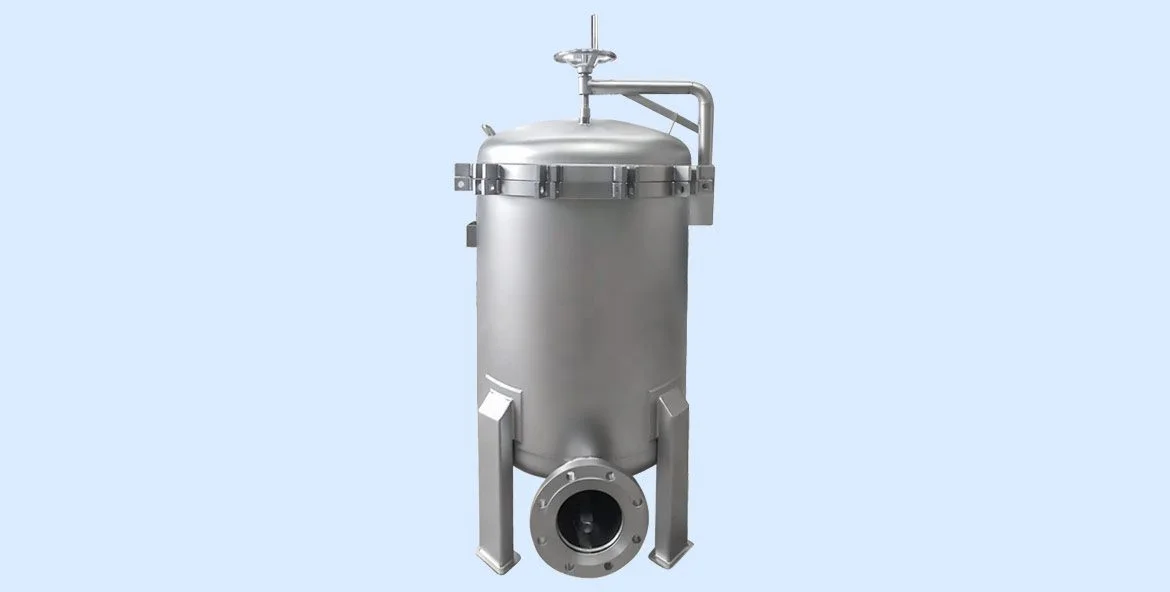
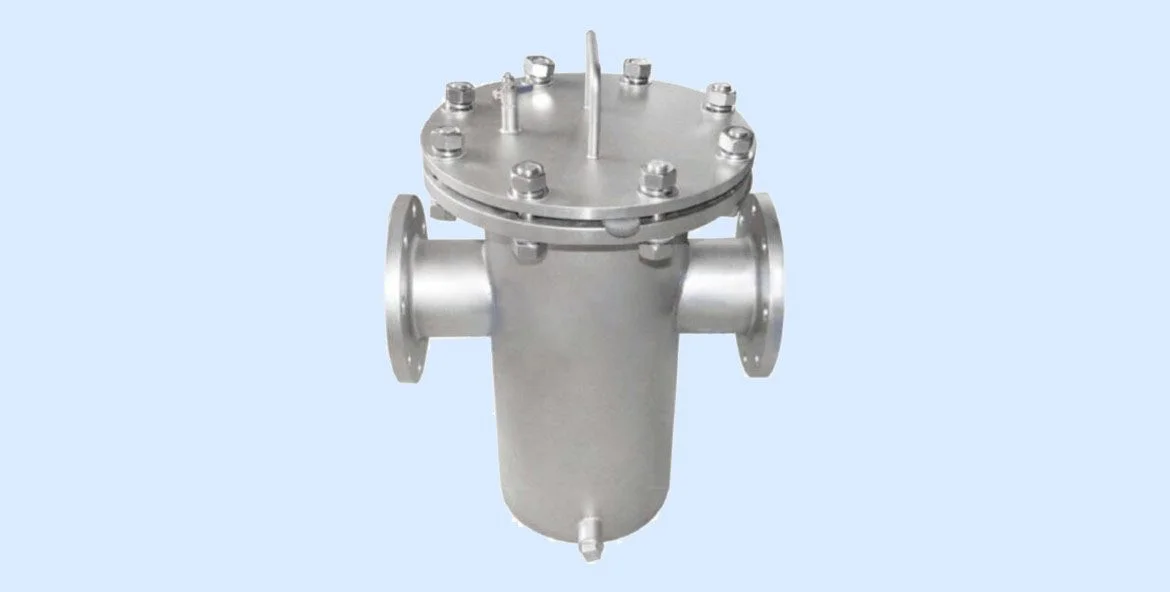
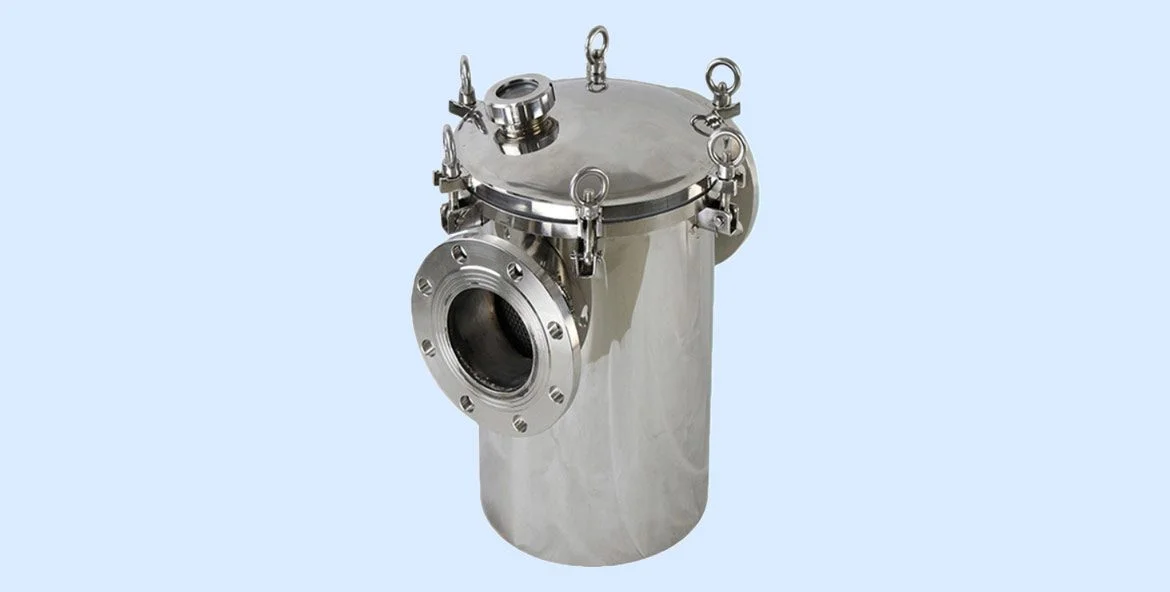
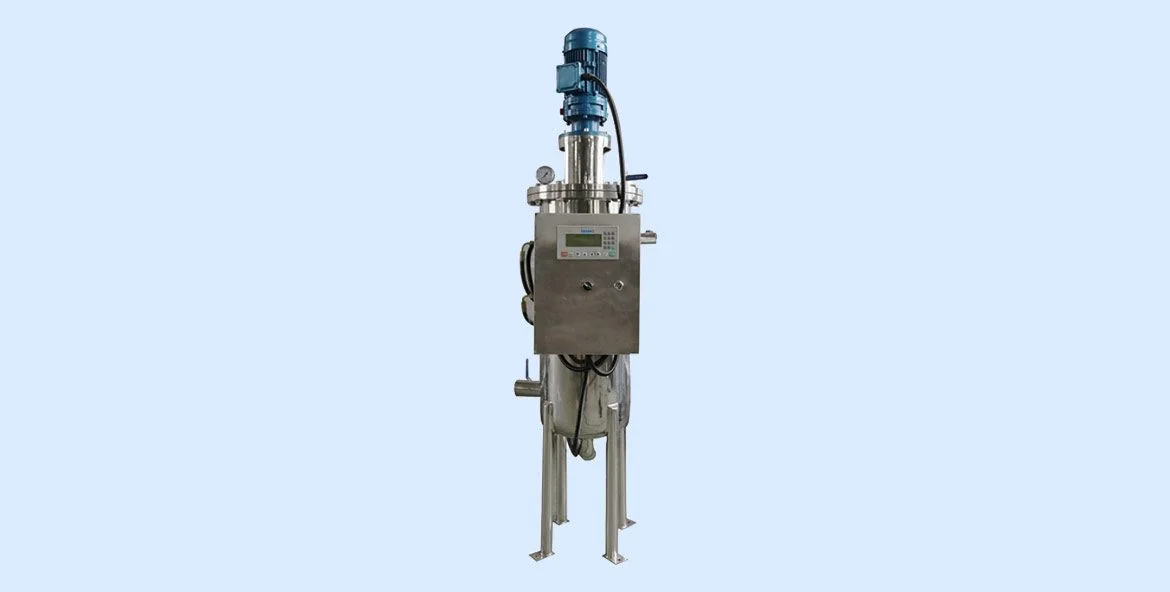
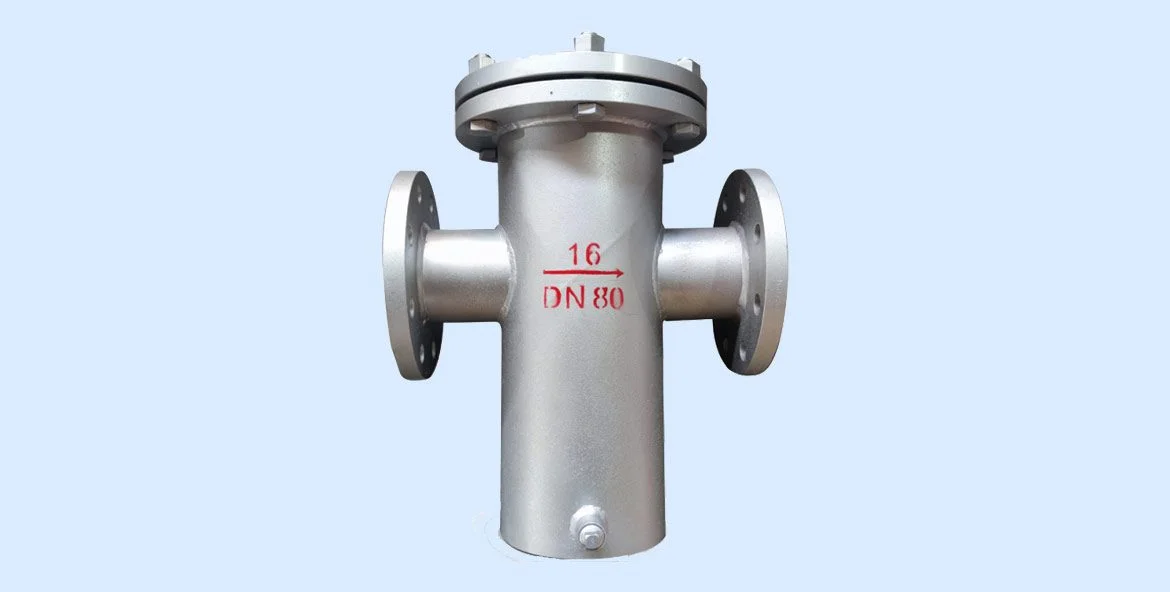
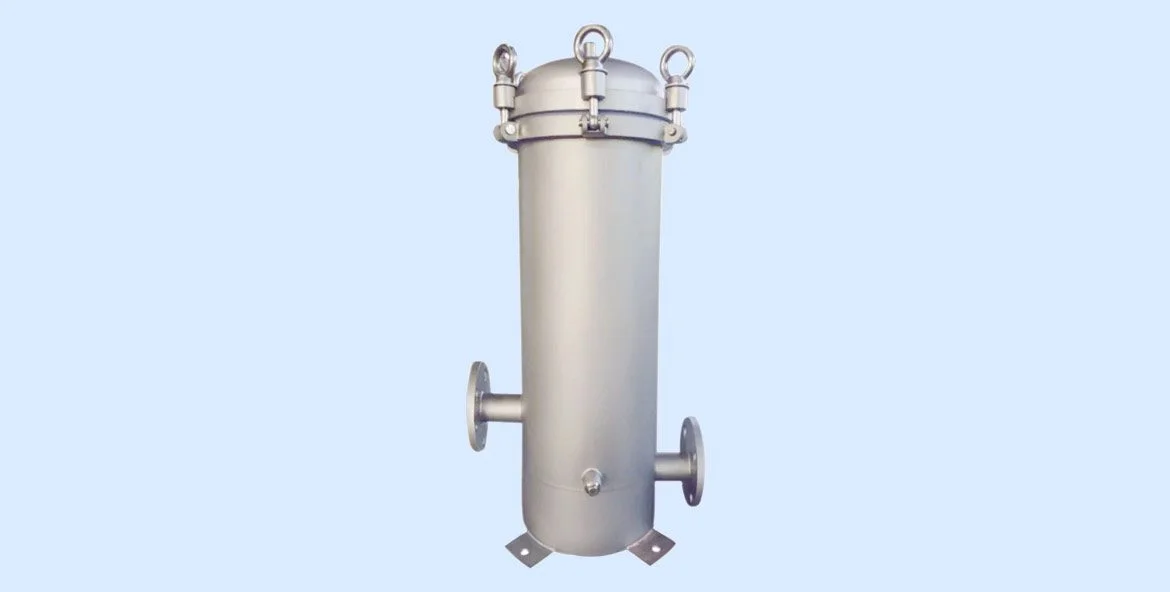
Basket Strainer – Engineered Filtration for Industrial & Utility Applications
When it comes to protecting pumps, valves, membranes, and other critical process equipment, basket strainers are often the first line of defense. These devices, built with a perforated or mesh-lined basket, are designed to capture coarse to medium-sized contaminants before they can damage downstream systems. In industrial environments where flow rates can range from a few m³/hr to well over 1,500 m³/hr, the choice of the right basket strainer can make the difference between smooth operation and costly unplanned downtime.
In actual installations, operators often notice that well-sized strainers with oversized baskets reduce cleaning frequency and keep differential pressure stable for longer intervals. Conversely, undersized units choke faster, triggering early maintenance cycles. That’s why engineering selection — not guesswork — matters.
Praimo Industrial Filters specializes in manufacturing industrial basket strainers that are engineered for low pressure drop, high dirt-holding capacity, and ease of maintenance. With options in CS, SS304, SS316L, Duplex, Super Duplex, and special alloys, these strainers are suitable for water, hydrocarbons, chemicals, food, and high-temperature services. Their robust build, compliance with global standards, and export-ready documentation make them a dependable choice for both domestic and international projects.
Typical applications include:
- Pump suction protection in cooling water loops, utility lines, and process circuits
- RO pre-filtration to extend cartridge life and stabilize SDI
- Process filtration in edible oils, paints, coatings, chemicals, and pharma fluids
And honestly, that’s just the start — basket strainers often sit quietly in the background, yet their impact on operational reliability is significant.
What Is a Basket Strainer?
A basket strainer is essentially a pressure vessel that houses a removable perforated or mesh basket to capture solid particles from liquid pipelines. Think of it as a mechanical barrier that traps coarse and medium contaminants — typically ranging from 25 µm to 3 mm — before they can reach pumps, membranes, heat exchangers, or sensitive instrumentation. In most industrial piping systems, basket strainers are installed upstream of critical equipment to prevent damage, reduce maintenance, and extend equipment life.
The working principle is simple but effective. As the process fluid enters the housing, it flows through the perforated basket or mesh liner, which retains suspended solids while allowing clean fluid to pass. When the basket fills with debris, differential pressure builds up, indicating it’s time for cleaning. This can be done manually by removing and washing the basket, or in duplex systems, by switching flow to the standby unit without shutting down the line.
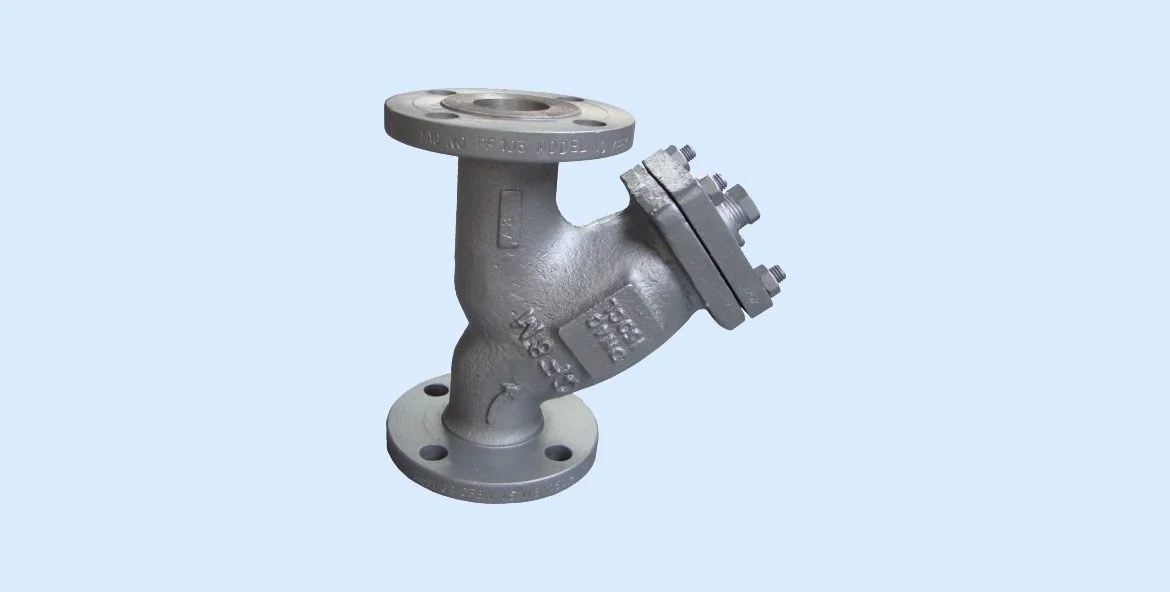
Now, here’s the catch — many engineers confuse basket strainers with Y-strainers. While both serve to filter out solids, the difference lies in filtration area and dirt-holding capacity. Basket strainers have a larger basket surface area, which means lower initial pressure drop, longer intervals between cleanings, and better handling of high flow volumes. Y-strainers, on the other hand, are compact and cost-effective for smaller lines but tend to clog faster in dirty services.
In actual operation, basket strainers are often preferred in main process lines, pump suction duties, or pre-filtration stages where flow rates are high, and downtime must be minimized.
Basket Strainer Technical Specifications (Engineering-Grade)
Selecting the right basket strainer isn’t just about line size — it’s about understanding connection standards, pressure ratings, flow behavior, and filtration performance under real operating conditions. Below are the key engineering parameters typically used in sizing and specifying industrial basket strainers.
Size Range, End Connections & Covers
Basket strainers are manufactured in nominal sizes from 1″ (DN25) to 24″ (DN600) as standard, with larger custom sizes available on request.
End connection options include:
- Screwed (NPT/BSPT) — up to 3" (DN80)
- Flanged — ASME B16.5 Class 150/300 (PN10/16/25); PN25–PN40 available for higher pressures
- Hygienic — Tri-Clamp / DIN 11851 for sanitary applications
Typical layouts are in-line horizontal (most common), side-in/top-out (for vertical baskets), or offset nozzles to ease maintenance clearance. Cover styles range from swing-bolt with davit to quick-open clamps or hinged blind flanges, chosen based on cleaning frequency and operator access.
Pressure & Temperature Ratings
Standard pressure ratings follow flange class:
- Class 150 / PN10–16: up to 10–16 bar at 20 °C (145–232 psi)
- Class 300 / PN25: up to 25–40 bar at 20 °C (362–580 psi), depending on shell design
Temperature limits depend on material and seal selection:
- CS / SS304 / SS316L housings: −20 °C to 200 °C typical; up to 260 °C with PTFE/ePTFE seals
- Duplex / Super Duplex: similar temperature window with better chloride resistance
- Sanitary builds: typically capped at 135 °C (SIP), EPDM/FKM gaskets
Each unit undergoes hydrotesting at 1.3× design pressure (liquid) and pneumatic leak testing as per client specifications.
Flow Capacities & Performance Curves
Actual flow capacity depends on viscosity, mesh micron rating, and allowable clean differential pressure. The table below gives indicative values for water at 20 °C with 250–1000 µm mesh:
| Size (NPS) | Mesh (µm) | Clean ΔP (bar) | Typical Flow (m³/hr) |
|---|---|---|---|
| 1" | 250–1000 | 0.05–0.10 | 2–6 |
| 2" | 250–1000 | 0.05–0.10 | 10–25 |
| 3" | 250–1000 | 0.05–0.10 | 25–45 |
| 4" | 250–1000 | 0.05–0.10 | 45–80 |
| 6" | 250–1000 | 0.05–0.10 | 80–150 |
| 8" | 250–1000 | 0.05–0.10 | 150–250 |
| 10" | 250–1000 | 0.05–0.10 | 250–360 |
| 12" | 250–1000 | 0.05–0.10 | 360–520 |
| 16" | 250–1000 | 0.05–0.10 | 520–800 |
| 20" | 250–1000 | 0.05–0.10 | 800–1200 |
| 24" | 250–1000 | 0.05–0.10 | 1200–1600 |
As a rule of thumb, flow ∝ 1/√viscosity for the same ΔP. Coarser mesh → higher capacity; finer mesh → lower capacity.
Filtration Ratings (Micron, Nominal vs Absolute)
- Perforated baskets: 2–6 mm hole, 30–40 % open area (support structure)
- Screen/mesh liners: 25 µm to 3000 µm; nominal or absolute
- Nominal rating = 60–90 % capture at stated micron (process dependent)
- Absolute rating = ≥ 95 % (up to 99.9 %) capture at rated micron (lab-validated media)
Nominal is typically sufficient for pump protection and RO pre-filtration, while absolute meshes are used where strict contamination control is required.
QA & Tolerances (ASME/PED)
- Dimensional tolerances: ±2 mm (≤DN100), ±3–5 mm (DN150–DN600)
- Welding: per WPS/PQR; visual + NDT per service class
- Surface finish: industrial Ra 3.2–6.3 µm; sanitary internal Ra ≤ 0.8–1.2 µm
- Material certs: EN 10204 3.1/3.2 on request; PMI as needed
- Standards: ASME VIII Div.1, PED 2014/68/EU (CE), IBR (India), NACE MR0175/ISO 15156 for sour service
These specifications ensure global compatibility, making Praimo’s strainers suitable for both domestic installations and international EPC supply.
Basket Strainer Materials & Construction
The material selection for a basket strainer isn’t just a matter of cost — it directly affects corrosion resistance, mechanical strength, chemical compatibility, and ultimately the service life of the unit. In actual operation, the wrong material stack can lead to premature pitting, gasket failures, or basket collapse long before the housing itself wears out. That’s why most engineering specifications focus on body material, basket & mesh media, and seal selection right from the sizing stage.
Body & Cover Materials (CS, SS304, SS316L, Duplex, Alloy)
Praimo Industrial Filters manufactures basket strainers in a wide range of metallurgies, including:
- Carbon Steel (A216 WCB) – economical for water and non-corrosive services
- SS304 / SS316L – general industrial and hygienic use; SS316L is preferred for better chloride resistance
- Duplex 2205 / Super Duplex 2507 – excellent for seawater, brine, and aggressive chloride streams
- Alloy-20 / Hastelloy C-276 – for strong acids and specialty chemical applications
Covers are typically matched to the body material to maintain pressure boundary integrity. For hygienic service, all wetted surfaces are polished, with Ra ≤ 0.8 µm, and fittings follow Tri-Clamp or DIN hygienic standards.
Basket & Mesh Materials (Perforated Plate, SS316L, Monel, Hastelloy)
The basket itself is usually fabricated from SS304 or SS316L perforated plate (2–6 mm hole, 30–40 % open area) for structural strength. A mesh liner is then fitted inside to provide the required micron rating. Depending on the process fluid, this mesh can be:
- SS316L – standard for water, general chemicals
- Monel or Hastelloy – for corrosive or high-temperature duties
- Bronze or PTFE-coated meshes – for specific chemical compatibilities
One overlooked detail is that basket collapse pressure depends heavily on open-area %, mesh fineness, and support ribs. In practice, properly designed baskets withstand > 1.5× the maximum dirty ΔP without deformation.
Gaskets & Seals (EPDM, FKM, PTFE)
The choice of sealing material is crucial for both temperature resistance and chemical compatibility. Typical options include:
- EPDM (−40 °C to 135 °C) – ideal for water, steam, and mild chemicals
- NBR (−30 °C to 100 °C) – hydrocarbons, oils
- FKM / Viton (−20 °C to 200 °C) – aggressive chemicals, higher temperatures
- PTFE / ePTFE (−40 °C to 260 °C) – universal chemical resistance, often used for critical services
In real installations, seal failure is a common weak point—especially if the gasket material is mismatched to the process fluid or SIP temperature. Regular inspection and correct selection go a long way toward leak-free operation.
Chemical Compatibility Table (Water, Seawater, Hydrocarbons, Food, Pharma)
| Fluid / Condition | Body Material | Basket & Mesh | Seal Material | Notes |
|---|---|---|---|---|
| Raw / Cooling Water | CS or SS304 | SS316L | EPDM | Consider Duplex if Cl⁻ > 200 ppm |
| Seawater / Brine | Duplex / Super Duplex | SS316L / Duplex | FKM / PTFE | High chloride resistance needed |
| Hydrocarbons / Oils | CS / SS316L | SS316L | NBR / FKM | Check aromatics & temperature |
| Mild Acids | SS316L | SS316L / Hastelloy | PTFE / FKM | Verify acid strength & temperature |
| Food / Beverage | SS316L (polished) | SS316L (polished) | EPDM / FKM | FDA compliant, Ra ≤ 0.8 µm, drainable design |
| Pharma / WFI | SS316L (electropolished) | SS316L | EPDM / FKM | FDA/USP VI elastomers, SIP compatible |
This compatibility matrix is commonly used during project design to avoid unexpected material incompatibilities after commissioning.
Types & Configurations of Basket Strainers
Not all basket strainers are built the same. The right configuration depends on whether the process is continuous or batch, how critical uptime is, and the nature of the fluid being filtered. In practice, engineers often choose between simplex, duplex, magnetic, or sanitary designs — and orientation (inline or vertical) plays a surprisingly big role in maintenance and footprint.
Simplex Basket Strainer
The simplex basket strainer is the most straightforward design: a single housing with one basket. To clean the basket, the line must be isolated and depressurized. This makes simplex ideal for:
- Non-critical services (e.g., cooling water, pump suction on secondary circuits)
- Batch processes, or systems that can be temporarily stopped
- Applications where manual cleaning is infrequent
Their simplicity means lower initial cost and easy installation. However, in continuous operations, every cleaning involves planned downtime — something that can add up quickly.
Duplex Basket Strainer (Continuous Duty)
When the process can’t stop, duplex basket strainers are the logical choice. These systems use two strainer chambers connected by a diverter valve or three-way plug. While one basket is in service, the other can be opened, cleaned, and resealed — all without interrupting flow.
This makes duplex units popular in:
- Power & utility loops
- Critical cooling water circuits
- High-flow chemical and hydrocarbon lines
Yes, the CAPEX is higher than simplex, but the OPEX savings from reduced downtime and longer operational runs usually justify the investment within the first few maintenance cycles.
| Feature | Simplex | Duplex |
|---|---|---|
| Uptime during cleaning | 0 % (requires stop) | ~100 % (hot-swap) |
| CAPEX | Low–Medium | Medium–High |
| OPEX (labor / downtime) | Higher | Lower |
| Typical Duty | Non-critical / batch | Critical / continuous |
Magnetic Basket Strainer
For applications with ferrous fines or metallic debris, adding magnetic inserts inside the basket provides a secondary capture mechanism. These are often used in lubrication systems, machining coolant loops, or hydraulic return lines to catch fine metal slivers that mesh alone may miss.
Operators often note that magnetic strainers significantly reduce downstream contamination in rotating equipment, even if the bulk solids are minimal.
Sanitary Basket Strainer (Hygienic Applications)
In food, beverage, and pharmaceutical processes, sanitary basket strainers are fabricated entirely in SS316L, with polished or electropolished internal surfaces (Ra ≤ 0.8–1.2 µm). They use Tri-Clamp or DIN 11851 fittings for quick disassembly during CIP/SIP cycles.
Design features like crevice-free baskets, drainable bodies, and FDA/USP VI-compliant gaskets ensure hygienic operation and easy validation.
Orientation (Side-In/Top-Out, In-Line)
Orientation might seem like a minor detail, but in actual installations it matters a lot:
- Side-in/top-out (vertical) designs allow solids to settle in the basket and offer a compact footprint.
- Inline horizontal layouts are common for pipelines with limited vertical clearance, but basket removal may require more lateral space.
Choosing the right orientation early avoids awkward maintenance access later.
Engineering Performance & Operational Data
When selecting or sizing a basket strainer, engineers often focus on nominal flow and micron rating but overlook how pressure drop, mesh fineness, and basket geometry interact under real-world conditions. In actual operation, these factors determine how often the basket needs cleaning, how stable the process flow remains, and whether pumps or membranes see unnecessary strain.
Clean & Dirty ΔP Characteristics
Under clean conditions, well-sized basket strainers typically exhibit a low initial pressure drop — around 0.03 to 0.08 bar for 250–500 µm meshes at rated flows. This is one of the reasons they’re so widely used for pump suction protection and RO pre-filtration.
As the basket fills with solids, ΔP gradually increases. Industry practice is to set dirty alarm triggers between 0.3 and 0.5 bar, depending on line pressure and pump NPSH margins. This simple ΔP monitoring helps maintenance teams schedule cleaning before the basket blinds off completely, avoiding sudden flow interruptions.
Flow Curves vs Micron Rating
Let’s look at the numbers. Finer meshes have a higher resistance coefficient (K), which means higher ΔP at the same flow. For example:
- A 1000 µm basket might run almost friction-free initially.
- A 250 µm basket at the same line size could see 2–3× the ΔP at identical flow.
This is why oversizing the basket or selecting a larger housing for finer meshes is often more effective than forcing fine filtration through a marginally sized strainer. Engineers often use empirical models:
ΔP≈K⋅ρv22\Delta P \approx K \cdot \frac{\rho v^2}{2}ΔP≈K⋅2ρv2
where
- v=Q/Aopenv = Q / A_{open}v=Q/Aopen (superficial velocity through open basket area)
- KKK rises with finer mesh sizes and lower open area ratios
In practice, plotting ΔP vs flow for the chosen micron rating gives a clearer picture than relying on nominal flow charts alone.
Dirt Holding Capacity & Oversized Baskets
Dirt-holding capacity is a critical yet often underestimated parameter. Two baskets with the same micron rating can behave very differently: a standard ID basket might clog every shift, whereas an oversized basket with increased surface area can last 2–3× longer between cleanings.
Operators typically notice that oversized baskets stabilize DP trends and reduce cleaning frequency significantly, especially in cooling water, raw water, or pigment-heavy process lines.
Technology Comparison (Y-Strainer vs Basket vs Self-Cleaning vs Bag/Cartridge)
| Technology | Strengths | Limitations | Where It Wins |
|---|---|---|---|
| Basket Strainer | Low CAPEX/OPEX, large dirt capacity, easy to clean | Manual intervention for simplex | Pump suction, RO pre-filtration, utility loops |
| Y-Strainer | Compact, inexpensive | Smaller area → higher ΔP, frequent cleaning | Small lines, intermittent debris |
| Self-Cleaning Screen | Continuous operation, minimal manual cleaning | Higher CAPEX, utility connections needed | Continuous dirty services (e.g., cooling water intake) |
| Bag Filter | Finer cut, high holding with bags | Consumables cost, bag changes required | Polishing downstream of baskets |
| Cartridge Filter | High efficiency / absolute rating | High ΔP rise with solids, not for bulk debris | Final polishing, QA-critical applications |
As a rule of thumb, basket strainers sit at the “heavy lifting” stage — removing large solids cost-effectively before finer downstream filtration takes over.
Regulatory & Compliance Standards
In industrial filtration, compliance isn’t optional — it’s often a contractual and legal requirement, especially for export projects or regulated industries like pharma, food & beverage, and oil & gas. A well-designed basket strainer must align with mechanical design codes, pressure vessel directives, and material and hygiene standards applicable to its installation region.
Praimo Industrial Filters manufactures basket strainers to meet global regulatory frameworks, ensuring that the same unit can serve reliably in domestic Indian plants or be shipped to EPC contractors overseas without additional rework or re-certification.
ASME Section VIII Div. 1
For pressure-retaining components, basket strainers can be built and certified to ASME Section VIII Div. 1 standards. This ensures:
- Verified mechanical design calculations
- Hydrotesting and NDT as per code
- Nameplate and stamping where required
This is particularly relevant for installations in refineries, petrochemical complexes, and power plants.
PED 2014/68/EU (CE Marking)
For the European market, Praimo strainers comply with the Pressure Equipment Directive (PED), allowing CE marking. This includes conformity assessment modules, material traceability, and third-party inspections where applicable. EPC contractors often prefer this to avoid delays during commissioning audits in the EU.
IBR Certification (India)
For boiler and steam applications in India, compliance with Indian Boiler Regulations (IBR) is critical. Basket strainers used in steam condensate or feedwater circuits can be supplied with IBR inspection and stamping as required.
FDA, 3-A, EHEDG (Sanitary Standards)
For food, beverage, and pharmaceutical services, basket strainers use:
- FDA 21 CFR 177.2600 compliant elastomers
- USP Class VI gaskets where required
- Internal surface finishes of Ra ≤ 0.8–1.2 µm
- Hygienic design principles per 3-A / EHEDG
These ensure cleanability, SIP/CIP compatibility, and validation readiness.
NACE MR0175 / ISO 15156
For sour service or aggressive chloride environments, material selection follows NACE MR0175 / ISO 15156. Duplex and Super Duplex alloys are commonly specified in offshore or corrosive upstream applications to resist stress cracking.
| Standard / Code | Region / Use | Application |
|---|---|---|
| ASME Section VIII Div. 1 | Global (Oil & Gas, Power) | Pressure vessel compliance |
| PED 2014/68/EU (CE) | Europe / Export Markets | EPC projects, CE conformity |
| IBR | India | Steam, condensate, boiler feed |
| FDA / 3-A / EHEDG | Food & Pharma | Hygienic compliance |
| NACE MR0175 / ISO 15156 | Offshore / Sour Services | Corrosion resistance in aggressive media |
Another aspect worth noting is that having these certifications pre-integrated into the product design avoids long approval cycles later, especially for export tenders.
Applications & Industries
Basket strainers are workhorses quietly embedded across a huge range of industries. From cooling water intake at power plants to RO pre-filtration in process water systems and hygienic filtration in edible oil lines, their role is to protect downstream equipment, stabilize flow, and cut unplanned downtime. What’s interesting is that while their design is simple, the operational impact is huge when properly sized and maintained.
Water Treatment & RO Pre-Filtration
In water treatment systems, basket strainers are commonly installed upstream of cartridge filters or membrane skids. By intercepting larger solids (typically 200–500 µm), they stabilize SDI and extend cartridge life by 2–4×, significantly reducing consumable costs.
In RO plants, a 6″ duplex basket strainer with 250 µm mesh, for example, can handle flows up to 150 m³/hr with minimal pressure loss, providing a reliable buffer against sudden turbidity spikes.
Applications include:
- Municipal & industrial RO plants
- Desalination pretreatment systems
- Cooling tower make-up lines
- Raw water intake protection
Oil & Gas / Petrochemical
In oil & gas, petrochemical, and refining facilities, basket strainers are used for pump suction protection, process line filtration, and cooling water circuits. Typical services include:
- Hydrocarbon transfer lines (mesh 500–1000 µm)
- Utility water for exchangers and pumps
- Chemical feed protection
Materials like CS, SS316L, and Duplex/Super Duplex are selected depending on fluid corrosivity. In sour services or high chlorides, NACE MR0175-compliant Duplex is standard. Engineers often select duplex strainers here to avoid costly flow interruptions during basket cleaning.
Food & Beverage / Pharma
Hygienic sanitary basket strainers in SS316L with polished or electropolished finishes (Ra ≤ 0.8 µm) are critical in processes where cleanliness and validation are paramount. Typical uses include:
- Edible oils, sugar syrups, flavoring liquids — typically using 250–1000 µm baskets
- Beverage processing lines, where drainable bodies and crevice-free baskets prevent microbial growth
- Pharma WFI systems, where FDA- and USP VI-compliant seals ensure SIP compatibility
Operators in these sectors appreciate quick-opening clamps and tool-free basket removal, as cleaning cycles are frequent and tightly controlled.
Power & Utilities / Cooling Water
Power plants, utilities, and HVAC systems rely heavily on basket strainers for cooling water intake protection. A single 10″ Class 150 duplex unit with a 500 µm mesh can protect spray nozzles, condensers, and pumps at flow rates of 300 m³/hr or more, all while keeping ΔP low.
When solids loads are variable (e.g., seasonal debris in river water), oversized baskets and differential pressure alarms help operators plan cleanings efficiently, avoiding nozzle clogging and seal failures.
Paints, Coatings, Inks, Process Liquids
In paints and coatings, basket strainers act as pre-screens to remove agglomerates and contaminants that would otherwise ruin surface finishes. Mesh selection depends on pigment size — often 100–500 µm — and strainers are placed just upstream of filling or spraying equipment.
This step is small in cost but has a direct impact on product quality KPIs, reducing rework and nozzle blockages.
Lifecycle Cost & ROI Analysis
When evaluating basket strainers, engineers often look at the upfront price first — but that’s only the beginning of the cost story. Over years of operation, maintenance frequency, cleaning downtime, and operational efficiency tend to dominate the total lifecycle cost. A well-specified unit, especially in continuous-duty lines, often recovers its investment quickly through reduced cartridge consumption, fewer pump failures, and optimized cleaning schedules.
One commonly overlooked point is the simplex vs. duplex configuration. While duplex basket strainers have a higher initial CAPEX, the OPEX savings from uninterrupted flow can be substantial. In industries like power, petrochemical, or water treatment, avoiding just a few hours of unplanned downtime can translate into lakhs of rupees saved every quarter.
| Cost Element | Simplex Basket Strainer | Duplex Basket Strainer |
|---|---|---|
| CAPEX | Low to Medium | Medium to High |
| OPEX | Higher (manual isolation + downtime) | Lower (hot-swappable baskets, minimal disruption) |
| Downtime Costs | Higher in continuous duty processes | Significantly lower; cleaning without stopping flow |
| Maintenance | Basket cleaning requires planned shutdowns | Cleaning alternated between chambers |
| ROI Period | Longer, depends on line criticality | Often recovered within the first year |
In real-world installations:
- Simplex units make sense for non-critical or batch services where planned cleaning doesn’t impact production.
- Duplex units excel in continuous processes where even short interruptions are costly.
Another often underestimated factor is basket sizing. Using oversized baskets can extend cleaning intervals by 2–3×, cutting labor and downtime costs significantly. When paired with DP monitoring, maintenance becomes predictable rather than reactive, improving overall ROI.
Maintenance, Reliability & Troubleshooting
Even the best-designed basket strainer requires regular upkeep to maintain flow performance and prevent unexpected shutdowns. In actual plant operations, differential pressure readings, gasket condition, and basket integrity are the key indicators maintenance teams rely on. Ignoring these signals often leads to sudden clogging, gasket blowouts, or bypass events that are entirely preventable with proper schedules.
Cleaning Intervals & DP Triggers
Most operators set ΔP alarms between 0.3–0.5 bar to signal cleaning. Once triggered, the strainer is isolated, depressurized, and the basket is removed for washing or ultrasonic cleaning. The actual interval depends on fluid quality, mesh size, and basket volume. In water treatment or cooling circuits, this can range from daily cleaning for fine meshes to weekly intervals for coarser baskets.
Basket Replacement & Re-Meshing
Baskets are consumables. Over time, mesh liners wear out, particularly if abrasive solids are present or if aggressive cleaning methods (like wire brushing) are used repeatedly. Typical basket life ranges from 6 months to 2 years, depending on service severity. Re-meshing is often a cost-effective alternative to full replacement, especially for Duplex 2205 or SS316L baskets.
Gasket Wear & Corrosion Issues
Gaskets are a frequent weak point. Swelling, nicking, or chemical attack can cause leaks and pressure loss. In practice:
- EPDM seals degrade faster in hydrocarbon service.
- NBR hardens under steam exposure.
- PTFE/ePTFE holds up best in aggressive or high-temperature streams.
Regular inspection and matching the gasket compound to the fluid prevent most failures.
Common Problems & Engineering Solutions
| Issue | Typical Cause | Engineering Solution |
|---|---|---|
| Frequent clogging | Undersized basket, fine mesh | Increase basket volume, use coarser pre-screen |
| Gasket leaks | Wrong material, damaged seat | Upgrade seal material, resurface gasket groove |
| Corrosion / pitting | Incompatible metallurgy, high chloride | Shift to SS316L, Duplex, or Super Duplex alloys |
| High ΔP after cleaning | Residual debris, deformed basket | Check mesh integrity, replace basket if needed |
| Premature mesh tearing | Over-aggressive cleaning methods | Switch to gentler cleaning (ultrasonic / low-pressure wash) |
A well-planned maintenance schedule and periodic inspection can easily extend the operational life of a housing beyond 15–20 years, while keeping basket replacements predictable.
Case Studies & Real-World Benchmarks
Real performance data speaks louder than product claims. Over the years, basket strainers have delivered measurable operational improvements across a range of industries — from power utilities and RO plants to food processing facilities. Below are representative case studies that illustrate the kind of results well-engineered strainers can achieve in actual installations.
Power Utility – Cooling Water Intake
- Line Size: 10" (DN250) Class 150
- Mesh: 500 µm
- Flow: ~300 m³/hr
- Problem: Spray nozzles were clogging every 2–3 days, and pump seals were failing quarterly due to sand and silt ingestion.
- Solution: Installation of duplex basket strainers with oversized baskets and ΔP alarm at 0.35 bar.
Result:
- Nozzle clogging reduced by >70 %
- Pump seal life doubled
- Avoided downtime savings: ₹10–15 L per quarter in maintenance and spares
Industrial RO Pre-Filtration
Result:
- Cartridge change interval extended to 7–10 days
- Cartridge spend reduced by 55–65 %
- Stabilized SDI levels and improved RO membrane life
Food & Beverage – Edible Oil Filtration
4" sanitary SS316L
500 µm
121–135 °C (SIP)
Particulate contamination was causing downstream QC rejects and frequent CIP cycles.
Installed sanitary basket strainers with polished internals and FDA-compliant EPDM gaskets.
Result:
- QC rejects reduced by ~40 %
- Cleaning cycles standardized and shortened
- Improved production consistency and hygiene validation
These benchmarks reflect typical outcomes observed in the field when proper sizing, material selection, and maintenance discipline are applied. The impact is not only technical — in most cases, the ROI is recovered within the first year through reduced downtime and consumables.
Alternatives & Technology Comparison Matrix
While basket strainers are versatile and widely used, they’re not the only filtration option in industrial piping systems. In actual projects, engineers often evaluate them alongside Y-strainers, self-cleaning filters, bag filters, and cartridge filters, depending on the required micron rating, maintenance philosophy, and flow conditions. Each technology comes with its own trade-offs in cost, performance, and operational complexity.
| Technology | Strengths | Limitations | Where It Wins |
|---|---|---|---|
| Basket Strainer | Low CAPEX/OPEX, large dirt capacity, easy manual cleaning | Manual intervention needed for simplex | Pump suction, RO pre-filtration, utility loops |
| Y-Strainer | Compact, inexpensive | Smaller area → higher ΔP, frequent cleaning | Small lines, intermittent debris |
| Self-Cleaning Filter | Continuous operation, automated cleaning | Higher CAPEX, requires utilities (air/water) | Cooling water intake, continuous dirty services |
| Bag Filter | Finer filtration, high dirt-holding capacity in disposable bags | Consumables cost, manual bag changes required | Downstream polishing after baskets |
| Cartridge Filter | High efficiency, absolute ratings for fine filtration | Sensitive to solids loading, high ΔP rise with debris | Final polishing, QA-critical applications (e.g., pharma) |
In practice:
- Basket strainers excel at bulk solids removal and protecting downstream systems at low cost.
- Y-strainers suit small lines or intermittent services where space is limited.
- Self-cleaning filters are ideal where continuous flow is critical and cleaning must be automated.
- Bag and cartridge filters take over downstream to achieve finer filtration once large particles are removed.
One useful strategy many plants adopt is a hybrid configuration: basket strainers for coarse removal upfront, followed by bag or cartridge filters for polishing. This layered approach balances cost, maintenance frequency, and product quality.
Compliance Matrix & Export Readiness
For industrial buyers, especially EPC contractors and OEMs working across multiple regions, compliance and documentation are often just as critical as flow or pressure ratings. Basket strainers may look simple on the outside, but behind the scenes, their acceptance in different markets depends on meeting a complex web of national and international standards.
The table below outlines typical compliance alignments for Praimo Industrial Filters’ basket strainers, covering both domestic (India) and export markets:
| Standard / Certification | Region / Requirement | Application |
|---|---|---|
| ASME Section VIII Div. 1 | Global (esp. North America, MENA) | Pressure vessel design and fabrication |
| PED 2014/68/EU (CE Marking) | European Union | Mandatory for pressurized equipment exported to the EU |
| IBR | India | Required for installations in boiler lines |
| NACE MR0175 / ISO 15156 | Middle East, Offshore | Sour service environments, chloride resistance |
| FDA 21 CFR 177.2600, 3-A, EHEDG | Food & Pharma (Global) | Sanitary elastomers, hygienic design, cleanability |
| EN 1092 / ASME B16.5 Flanges | Global piping integration | Standardization of flanged end connections |
| ISPM-15 Export Packing | Global shipping | Heat-treated wooden crates for export logistics compliance |
In real-world export projects, the documentation package often makes or breaks procurement timelines. Buyers expect:
- Hydrostatic test certificates, material test certificates (EN 10204 3.1/3.2), and welding procedure qualification records (WPS/PQR).
- NDT records (VT, PT, RT as applicable) for pressure-retaining parts.
- Nameplates and CE stamping where required.
- ISPM-15 treated crates, shock indicators, and proper preservation coatings for long-distance shipping.
Praimo’s export-ready basket strainers are designed with this in mind. Whether it’s a PED/CE-certified stainless steel basket strainer for Europe, or IBR-compliant carbon steel models for Indian power projects, the fabrication and QA processes are mapped to meet these standards from the design stage onward.
This level of compliance readiness helps procurement teams avoid last-minute approvals, inspection hold-ups, and non-conformance delays — a crucial advantage in tight project schedules.
Buying Guide – How to Select the Right Basket Strainer
Selecting the right basket strainer isn’t just about matching line size; it’s a step-by-step engineering decision that affects long-term reliability, maintenance, and process performance. A poorly sized or mismatched unit can lead to high pressure drops, frequent clean-outs, or even damage to downstream equipment.
Here’s a structured approach that engineers typically follow during specification and procurement:
1. Define the Fluid & Operating Conditions
- Identify fluid type (water, hydrocarbon, corrosive chemical, edible oil, etc.).
- Note viscosity, temperature, and solid contamination levels (TSS in ppm).
- For aggressive or chloride-rich streams, material upgrades (e.g., Duplex, Super Duplex, Alloy-20) may be needed.
2. Determine Micron Rating
- Start from downstream tolerance (pump clearance, membrane pore size, nozzle opening).
- As a rule of thumb, select a basket strainer micron rating at ½ to ⅔ of the critical downstream opening.
- Choose between nominal (60–90% efficiency) and absolute (≥95% efficiency) ratings depending on process sensitivity.
3. Establish Flow & Pressure Parameters
- Use preliminary size vs flow tables for water at 20 °C to shortlist nominal sizes.
- Verify with ΔP vs flow performance curves, adjusting for viscosity.
- Keep clean pressure drops low (0.03–0.1 bar typical) and set differential pressure alarms at 0.3–0.5 bar for maintenance triggers.
4. Select Materials & Seals
- Body: CS, SS304/316L, Duplex, FRP, or polypropylene based on fluid chemistry.
- Gaskets: EPDM, FKM, PTFE, or ePTFE depending on temperature and chemical compatibility.
- Refer to the chemical compatibility matrix to avoid premature failures.
5. Choose Configuration
- Simplex basket strainers for non-critical or batch operations.
- Duplex basket strainers for continuous duty with zero downtime.
- Consider magnetic inserts for ferrous contamination or sanitary builds for hygienic applications.
6. Finalize Standards & Documentation
- Confirm required compliance (ASME, PED/CE, IBR, FDA, NACE).
- Align documentation and inspection requirements early to avoid project delays.
- For exports, ensure ISPM-15 packing and CE marking (where applicable).
This structured selection workflow not only ensures technical compatibility but also reduces lifecycle cost by minimizing unplanned shutdowns, maintenance frequency, and filter media waste.
Praimo Basket Strainers – Brand & Market Positioning
In industrial filtration, performance isn’t defined by marketing claims — it’s proven through engineering consistency, compliance readiness, and long-term field reliability. Praimo Industrial Filters has built its reputation by delivering basket strainers that meet demanding operational needs across India and global markets.
Praimo manufactures a complete range of simplex, duplex, sanitary, and magnetic basket strainers in materials such as carbon steel, SS304, SS316L, Duplex/Super Duplex, Alloy-20, and Hastelloy, with sealing options including EPDM, NBR, FKM, PTFE, and ePTFE. These units are engineered for low pressure drop, high dirt-holding capacity, and ease of maintenance, making them suitable for utility water, process fluids, hydrocarbons, edible oils, chemicals, and pharmaceutical applications.
For export markets, Praimo ensures full ASME/PED design alignment, EN 10204 3.1/3.2 MTCs, NDT dossiers, and ISPM-15 export packing, enabling smooth integration into EPC and OEM projects across the EU, Middle East, and Southeast Asia. Domestically, the company’s fast lead times, re-mesh capabilities, and availability of service kits give plant operators a practical edge when downtime must be minimized.
What sets Praimo apart is the combination of in-house engineering, robust fabrication standards, and application-specific customization. Whether it’s a standard simplex strainer for a cooling loop or a CE-marked duplex unit for a refinery export package, the manufacturing approach remains consistent: technically sound, well-documented, and globally acceptable.
Frequently Asked Questions (FAQ)
Below are concise, schema-ready answers addressing common buyer and engineering queries about basket strainers. These are based on actual operational practices and typical questions found in PAA boxes, making them ideal for SEO and user clarity.
A basket strainer removes coarse to medium solids (typically 25 µm – 3 mm) from liquid pipelines to protect downstream pumps, membranes, nozzles, and valves. It’s widely applied in water treatment, process industries, and utility circuits.
The principle is straightforward: fluid enters the housing, passes through a perforated basket lined with mesh, and solids are trapped inside. Clean liquid exits the outlet while debris remains in the basket until cleaning.
- Simplex strainers are cost-effective and ideal where occasional shutdown is acceptable. Duplex units, with two chambers and a diverter, allow continuous operation during basket cleaning — preferred for critical or 24/7 lines.
For RO pre-filtration, 200 – 500 µm mesh is typically used. This reduces the silt density index (SDI), extends downstream cartridge life by 2–4×, and helps maintain stable permeate quality.
In most installations, cleaning is triggered when differential pressure reaches 0.3 – 0.5 bar, or on a scheduled interval (shift/daily/weekly) depending on solids load.
Yes. With appropriate materials and gaskets (e.g., SS316L with PTFE or FKM seals), they can handle temperatures up to 200 °C and aggressive chemicals, depending on fluid compatibility.
For corrosive or high-temperature applications, PTFE or ePTFE gaskets are preferred. EPDM suits water, while FKM is common for hydrocarbons and elevated temperatures.
Typical standards include ASME VIII Div.1, PED 2014/68/EU, CE marking, NACE MR0175 for sour service, and FDA/3-A/EHEDG for sanitary builds.
Yes. Praimo regularly supplies PED/CE-compliant duplex units, hygienic designs, and project documentation packs tailored for EPC/OEM export requirements.
Start with line size and target flow. Use size–flow tables for preliminary selection, then apply ΔP vs flow curves for the selected mesh. Dirty alarm setpoints are typically 0.3–0.5 bar.
Conclusion & Call-to-Action
Basket strainers remain one of the most practical and reliable filtration components for handling medium-to-coarse particulate loads in industrial liquid pipelines. Their straightforward design, broad material compatibility, and ability to handle high flow rates with low pressure drop make them a first line of defense across industries — from RO pre-filtration and cooling water circuits to hydrocarbons, food & beverage, and process fluids.
Praimo Industrial Filters combines engineering-grade construction, ASME/PED-aligned compliance, and export-ready documentation to deliver basket strainers built for both domestic and global projects. Whether you require simplex models for utility service, duplex strainers for continuous duty, or sanitary designs for hygienic processes, our team can support selection, customization, and lifecycle planning.
Brochure
Download our brochure for detailed technical data, product capabilities, and filtration system expertise.
Let’s Start Work
Together
Please feel free to contact us. We will get back to you with 1-2 business days. Or just call us now.