


Dairy Filtration Systems — Hygienic Filters & Strainers Manufacturer in India
Introduction — Filtration’s Role in Modern Dairy Processing
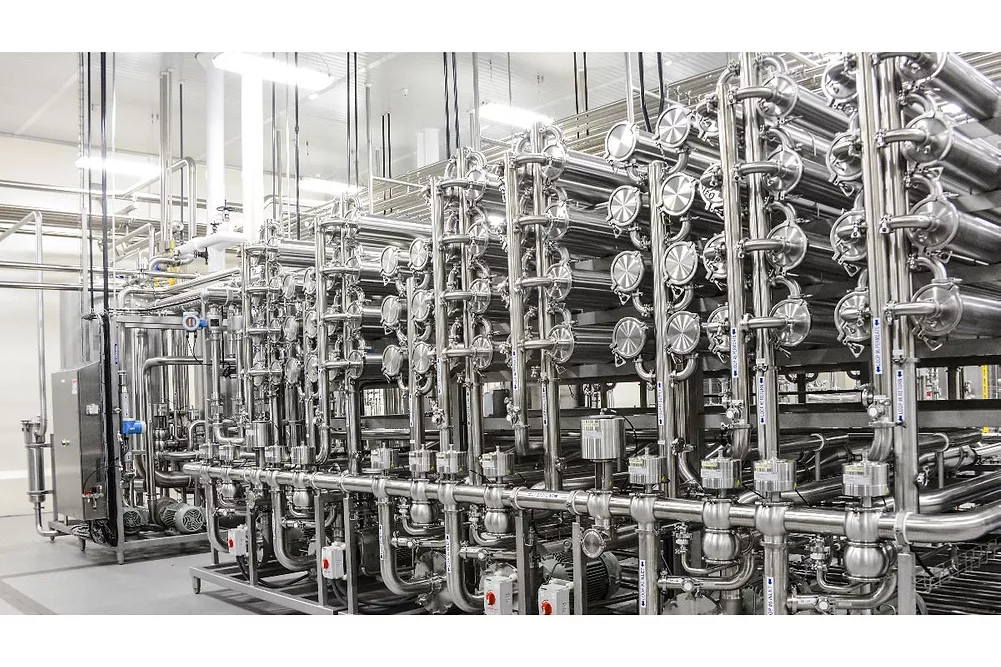
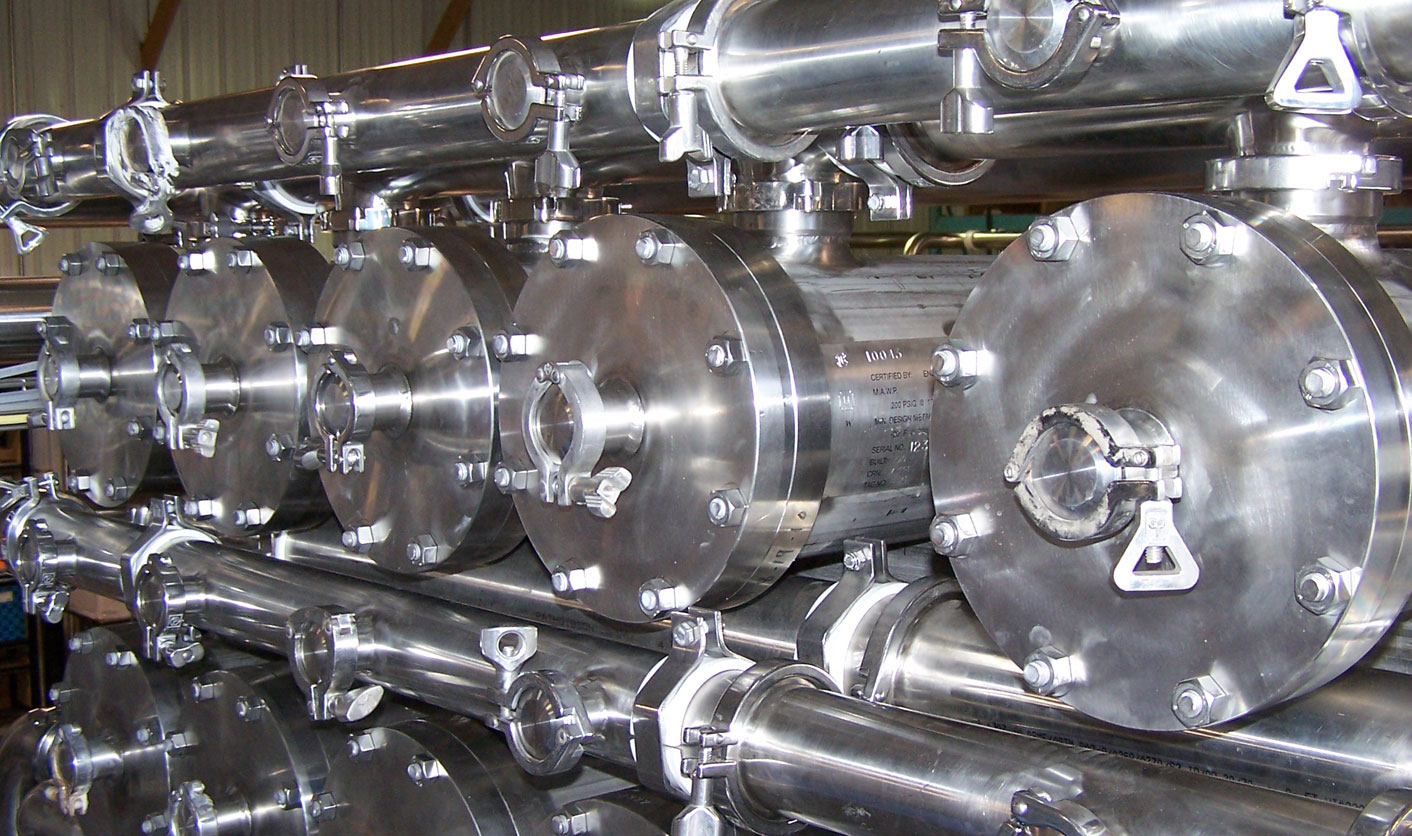
Clean milk is never an accident; it is engineered. From raw-milk reception through pasteurization, homogenization, and aseptic packing, every step in a dairy plant lives or dies by how well filtration controls bioburden, captures particulates, and supports reliable CIP/SIP hygiene. Praimo Industrial Filters & Spares Manufacturing Company designs and manufactures dairy filtration systems that deliver sanitary performance with low pressure drop, easy validation, and predictable lifecycle cost. Surfaces are polished for fast clean-down, seals are food-grade and traceable, and housings are configured for complete drainability—so quality teams and production teams both win.
Key Filtration Challenges in Dairy Plants (and How to Engineer Around Them)
Dairy fluids are deceptively complex. Emulsified fats, proteins, and mineral fines form deposits that harbor microbes. Separator carryover adds fines at inconvenient moments. Thermal cycles from CIP/SIP stress gaskets, while air and gases must remain sterile without throttling flow.
Process Observation:
In dairies, filtration must balance flow, ΔP, and cleanability. Oversizing a filter to beat pressure drop can create hygiene shadows; undersizing saves capex but invites ΔP spikes and downtime. The most dependable plants run filters sized on real flow curves, with internals that purge completely and validate quickly after CIP/SIP.
Complete Dairy Filtration Solutions by Praimo Industrial Filters & Spares Manufacturing Company
The application—not the catalog—drives the design. Praimo Industrial Filters & Spares Manufacturing Company maps filtration to each stage of the line:
basket strainers and duplex filters remove sediments and curd fines before pasteurization.
hygienic cartridge filter housings deliver fine clarity for stable downstream heat transfer and product consistency.
sanitary bag filter housings safeguard spray balls, nozzles, and valves while enabling chemical reuse loops.
PTFE membrane cartridges protect headspace, pneumatic circuits, and aseptic fillers with absolute retention and low resistance.
UPVC/FRP options for process water and non-product contact services.
All pressure vessels are hydro-tested (1.5× design pressure) and supplied with documentation for material traceability, surface finish inspection, and weld passivation.
Product Range for Dairy Applications
Hygienic Cartridge Filter Housings — 316L, Tri-Clamp, CIP/SIP-Ready
milk clarification, enzyme and additive polishing, final pre-filling barriers.
single and multi-cartridge configurations (10″–40″), Tri-Clamp connections, vent/drain ports, self-draining bowls, and optional jacketed bodies for thermal conditioning. Interiors are polished for low microbial adhesion to accelerate cleaning validation.
Learn more: Cartridge Filter Housing.
Sanitary Bag Filter Housings — Efficient Bulk-Solids Removal
- Use cases: CIP chemical filtration and recovery, brine and condensate polishing, whey pre-filtration before membrane systems.
- Design highlights: single/multi-bag frames, quick-release covers, swing-bolt or clamp-ring closures, and positive-seal bag seats. Felt or mesh bags from 1–200 µm provide economical solids control.
- Learn more: Bag Filter Housing.
Duplex Filters & Strainers — True Continuous Operation
separator feeds, cream lines, and utilities where production cannot pause.
two parallel chambers with leak-tight changeover, differential pressure ports, optional magnetic baskets for ferrous capture, and 316L bodies/trim for sanitary environments.
Learn more: Duplex Filter Housing.
PTFE & Pleated Cartridges — Sterile Air and Gas Assurance
- Use cases: aseptic packaging, tank vent sterilization, inert gas lines (N₂/CO₂), pneumatic circuits.
- Design highlights: hydrophobic PTFE membranes with absolute retention (including 0.2 µm), low wet-pressure behavior for quick integrity tests, and validation to recognized microbial standards.
- Explore cartridges: PTFE Filter Cartridge.
Filter Bags & Media — Reliable, Reusable, Traceable
CIP loops, whey clarification, condensate and utility fluids.
felt and mesh options, reinforced collars, consistent micron ratings, and materials compatible with common dairy chemistries.
Filter Bags & Media.
Materials, Seals, and Finish — Designed for Hygiene and Proof
Materials:
SS304 and SS316L for product-contact; Duplex grades where chloride stress is a risk; UPVC/FRP for utility water.
Seals:
EPDM, PTFE, Silicone—selected for media compatibility and thermal cycling.
Connections:
Tri-Clamp/DIN/SMS or weld ends to match plant standards.
Finishes:
mechanically polished interiors to ≤0.4 Ra; electropolishing available to minimize biofilm potential; exterior finishes suited to wash-down.
Engineering Insight:
Surface finish is not cosmetic. Smoother, electropolished IDs reduce microbial anchoring force and shorten CIP cycles—measurably improving chemical consumption and line availability.
Where Filtration Works in the Dairy Flow
Milk Processing & Clarification
- Pre-filters guard separators, reduce carryover, and help stabilize pasteurization temperatures by keeping heat-transfer surfaces clean. Correct basket geometry preserves flow while preventing fiber lift-off and bypass.
Whey and Protein Concentrate Protection
- Membrane systems thrive on consistent feed quality. Cartridge or bag pre-filtration removes fines that cause premature fouling, protecting flux and extending clean intervals in UF/RO setups.
CIP Chemical Filtration and Recovery
- CIP liquids pick up debris—gasket crumbs, protein shavings, and scale. Filtration cleans the loop, extends chemical life, and prevents nozzle plugging. Duplex bag systems keep the loop circulating while a full bag is swapped.
Compressed Air and Gas Polishing
- Every aseptic plant depends on sterile air. Hydrophobic membranes keep moisture out while ensuring bacterial retention—without throttling airflow to the point of cycle delays.
Aseptic Packaging Line Barriers
- Final, absolute-rated cartridges provide a robust barrier immediately upstream of fillers and vents. Integrity testing slots into the SOP so that each start-up is documented and defensible.
Technical Advantages That Show Up on Your OEE
Low ΔP by design:
open-area baskets, smooth flow transitions, and well-sized internals keep pumps happy and energy use down.
High, consistent retention:
absolute micron ratings from 0.2–200 µm enable predictable outcomes across product and utility lines.
Validated cleanability:
drainable bottoms, vented domes, and polished welds eliminate traps and speed CIP/SIP cycles.
Modular maintainability:
universal element seats, clear headroom envelopes, and tool-free service where possible.
Best Practice:
Tie filter changeout rules to ΔP and batch count, not a fixed calendar date. Plants that watch ΔP trendlines typically reduce unplanned stoppages and stretch element life without risking quality.
Compliance, Documentation, and Audit-Readiness
Food plants earn trust through paper that matches performance. Praimo Industrial Filters & Spares Manufacturing Company aligns to recognized frameworks and supplies what quality teams need:
- Quality management to ISO 9001:2015
- Pressure-equipment design in line with PED categories where applicable
- FDA-compliant elastomers and wetted materials for product contact
- Sanitary design practices in the spirit of 3-A and hygienic guidelines
- Dossiers including hydro-test certificates, material test reports, finish checks, weld qualifications, and passivation records
Field Experience:
Plants moving from mixed, non-traceable housings to fully documented hygienic vessels report faster audits, fewer NCRs, and simpler maintenance planning because spares are standardized and changeouts are recorded against serial numbers.
Case Snapshot — Continuous CIP with Measurable Gains
A high-throughput dairy in western India upgraded the CIP circuit with duplex bag filter housings ahead of final rinse. Operators could switch bags without stopping the loop. In the first quarter:
- Downtime during CIP operations fell by roughly 25%.
- Chemical consumption dropped around 18% thanks to cleaner reuse.
- OEE rose because rinse steps stabilized and nozzle blockages disappeared.
Application Tip:
If your CIP ΔP climbs early in the cycle, check for incorrect micron staging. Using a two-stage approach (e.g., 50 µm → 10 µm) often balances bag life with cleanliness—and lowers chemical carryover into final rinse.
FAQs — Dairy Filtration Systems
Basket strainers for bulk solids, cartridge filters for fine polishing, and PTFE membrane cartridges for sterile air/gas. Each plays a distinct role: protection, clarity, and sterility.
Bag filters manage higher solids at lower cost per liter; cartridge filters provide finer, absolute retention where clarity or sterility is mandatory. Many plants use both in a staged strategy.
Yes. Designs accommodate common alkaline/acid programs and steam sterilization within published limits. Polished, drainable geometries and FDA-compliant seals support rapid validation.
Multi-bag and multi-cartridge frames with generous cross-section keep ΔP reasonable, and staged micron ratings protect downstream membranes from premature fouling.
Integration and Upgrades — Make the Most of What You Already Have
- Retrofits: swap legacy lids for quick-release designs to shorten turnaround.
- Instrumentation: add differential pressure ports and gauges for changeout-by-condition.
- Magnets: fit magnetic baskets where metal fines are plausible (pumps, valves, MRO).
- Skids: consolidate filtration and utilities on compact frames with isolation and drains to simplify sanitation.
System Insight:
Plants that instrument filters with ΔP transmitters (not just gauges) catch slow-burn issues—like creeping membrane fouling or air entrainment—days earlier, before they escalate to lost batches.
Internal Navigation — Explore Related Hygienic Filtration Solutions
- Precision housings for product contact: Hygienic Filter Housing
- Polishing clarity on process lines: Cartridge Filter Housing
- Economical bulk-solids control: Bag Filter Housing
- No-stop production on critical lines: Duplex Filter Housing
- Sterile barriers for air and gas: PTFE Filter Cartridge
- Reusable consumables for utilities: Filter Bags & Media
Call to Action — Specify a Dairy Filtration System That Pays for Itself
- When production must stay clean, fast, and audit-ready, partner with Praimo Industrial Filters & Spares Manufacturing Company. Share your flow rates, viscosities, temperatures, preferred connections, CIP/SIP profile, and target micron ratings. You will receive an engineered proposal—sized on real ΔP curves, configured for sanitation, and documented for quality.
- Start your upgrade today. Request a technical consultation and a quotation for a hygienic dairy filtration system built for performance, safety, and lifecycle value.