


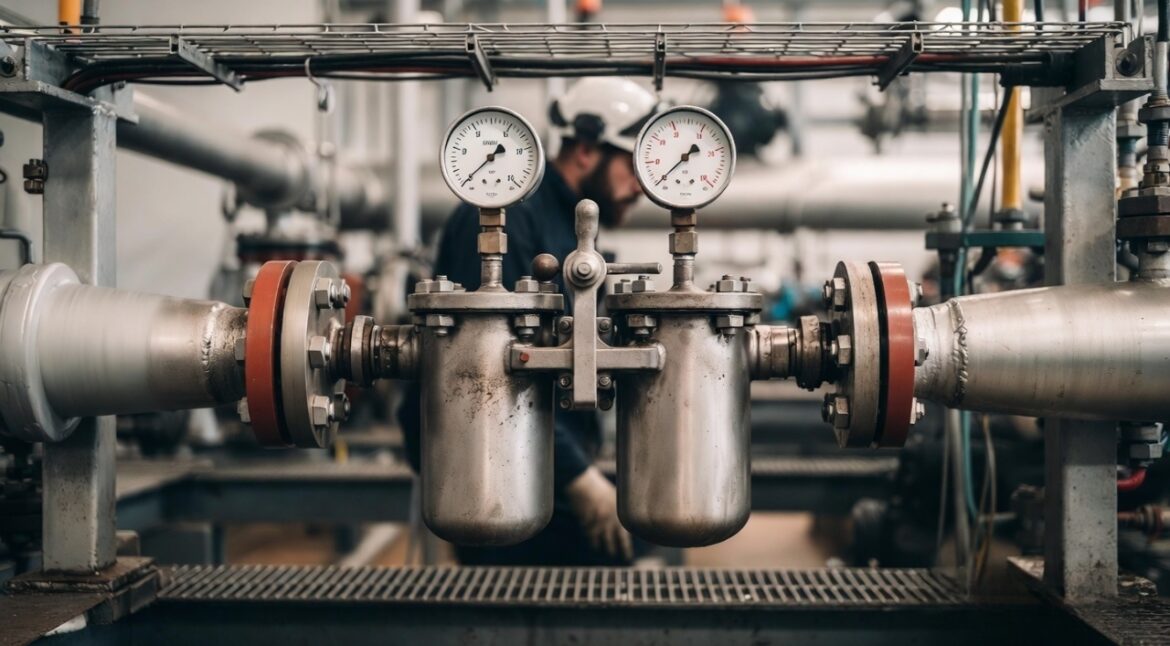
Understanding Duplex Filter Flow Switching Failure in Industrial Systems
In many process plants, duplex filter housings are installed specifically to ensure continuous filtration during element changeover. The operating expectation is straightforward — once one chamber becomes clogged, operators switch flow to the standby chamber and process conditions should quickly stabilize.
However, in real plant conditions, engineers often encounter situations where flow does not recover as expected after switching. Differential pressure remains elevated, downstream flow becomes unstable, or contamination continues to pass through the system. At this point, it becomes clear that the issue is not simply element choking but a deeper flow switching reliability concern.
Such instability can affect production throughput, increase pump loading, accelerate consumable usage, and reduce confidence in the filtration system’s protective role. During sustained operation, even small switching imperfections can gradually develop into serious reliability risks.
This guide explains realistic plant symptoms, engineering root causes, practical troubleshooting steps, and preventive strategies for diagnosing duplex filter housing flow switching problems.
Key Symptoms of Duplex Filter Switching Problems
Pressure and Flow Indicators
One of the earliest warning signs appears in differential pressure and flow behaviour. Operators monitoring filtration performance may observe:
- Differential pressure not reducing sufficiently after switching chambers
- Oscillating downstream flow readings on control instrumentation
- Pressure spikes recorded during manual changeover
- Short periods of flow starvation when switching under heavy load
In many installations, these trends indicate incomplete chamber isolation or hydraulic disturbance inside the housing.
Field Insight:
Operators sometimes assume that any DP reduction after switching confirms proper operation. In practice, partial DP recovery can occur even when internal leakage persists, creating a misleading sense of stability.
Contamination Behaviour Signals
Under normal conditions, switching to a clean chamber should restore filtration effectiveness. Warning signals include:
- Sudden contamination breakthrough in downstream fine filtration stages
- Uneven dirt loading observed when removing filter elements
- Unexpected choking of strainers, spray nozzles, or control valves
- Noticeably shortened consumable replacement intervals
One practical observation is that mixed flow paths inside the housing can allow contaminated fluid to bypass filtration even while DP appears acceptable.
Mechanical Behaviour Changes
Mechanical feedback during switching often provides early diagnostic clues:
- Changeover valve feels tight, jerky, or requires excessive operating force
- Minor seal sweating or leakage around switching mechanism
- Increased vibration transmitted to connected piping
- Audible turbulence or flow noise during switching
These behaviours commonly reflect seal wear, erosion damage, or mechanical misalignment stress.
Operator and Maintenance Signals
Human observation plays a critical role in detecting filtration instability. Maintenance teams frequently report:
- Increasing frequency of required changeovers compared to historical patterns
- Difficulty confirming correct valve position during switching
- Rising pump motor current during filtration cycles
- Repeat maintenance callouts shortly after switching events
In many cases, these operational complaints emerge well before major filtration failure becomes visible.
How Duplex Filter Switching Failure Develops Over Time
Hidden Degradation Phase
Initially, sealing surfaces inside the switching valve or plug begin to deteriorate due to erosion, contamination scoring, or repeated thermal cycling.
During this phase, minor internal leakage may occur without obvious process disruption. Differential pressure might still drop slightly after switching, leading operators to believe performance remains acceptable.
Escalation Triggers
As degradation progresses, certain plant events accelerate failure development:
- Switching during peak production flow demand
- Contamination surge events from upstream equipment
- Pump trip and restart causing hydraulic shock
In these situations, worn seating surfaces may no longer isolate chambers effectively, allowing unstable flow distribution.
During high-load operation, operators sometimes delay switching to avoid production interruption. This delay increases DP stress and can significantly worsen switching reliability.
Sudden Breakdown Behaviour
Eventually, the filtration system may experience:
- Persistent high differential pressure across both chambers
- Flow instability affecting downstream processes
- Full contamination bypass events
At this stage, plants often face unscheduled shutdowns or emergency maintenance intervention, especially if critical equipment protection is compromised.
Engineering Root Causes Behind Flow Switching Instability
Process Condition Related Causes
Switching duplex filters while differential pressure is already high creates severe hydraulic stress on internal components. High velocity flow across partially seated valves can lead to turbulence-induced erosion and unstable seating behaviour.
A typical plant scenario involves delayed switching during production peaks. When changeover finally occurs, pressure spikes appear in historical trend logs.
Sudden DP fluctuation coinciding precisely with switching time.
Design or Sizing Related Causes
Undersized duplex housings are a common reliability limitation. When peak flow demand exceeds design velocity limits, internal erosion and flow maldistribution increase significantly.
For example, a system originally sized for nominal throughput may struggle after production expansion, resulting in progressively shorter switching intervals.
Historical data shows decreasing operating time between required changeovers.
Contamination Profile Mismatch
Certain contamination types, such as fibrous debris or sticky polymer fines, can accumulate unevenly and interfere with valve seating surfaces.
In chemical processing applications, polymer fines may cause localized fouling patterns, leading to unpredictable filtration behaviour.
Filter elements from one chamber display heavy localized contamination.
Installation or Sealing Mistakes
Improper installation can introduce mechanical distortion or internal debris that affects switching performance. Piping misalignment may impose stress on housing nozzles and accelerate seal fatigue.
In real plant conditions, inadequate flushing during commissioning often leaves residual particles trapped within switching passages.
Leakage or abnormal resistance observed shortly after system startup.
Maintenance Practice Issues
Delayed seal replacement and insufficient lubrication reduce switching reliability over time. Forced valve operation during panic situations can permanently damage sealing interfaces.
Facilities relying heavily on reactive maintenance typically experience gradual increase in switching torque requirement.
Maintenance logs indicate repeated complaints of stiff or inconsistent changeover operation.
Practical Duplex Filter Switching Troubleshooting Workflow
A structured troubleshooting approach improves both diagnostic accuracy and maintenance planning.
Step 1 — Visual Inspection
- Check for external leakage or seal sweating
- Inspect actuator or manual lever condition
- Confirm housing support integrity
Step 2 — Operating Parameter Verification
- Compare differential pressure before and after switching
- Observe downstream flow stability
- Review pump current trends
Step 3 — Chamber Isolation Testing
- Verify whether the standby chamber fully isolates the clogged chamber
- Observe DP response when bypass or isolation valves are adjusted
Step 4 — Component Condition Assessment
- Inspect valve seats, seals, and guide surfaces
- Evaluate contamination pattern on removed filter elements
- Look for erosion marks or scoring
Step 5 — Corrective Action Sequence
- Clean internal passages and switching assembly
- Replace worn seals or damaged valve components
- Adjust switching practice to avoid operation under excessive DP
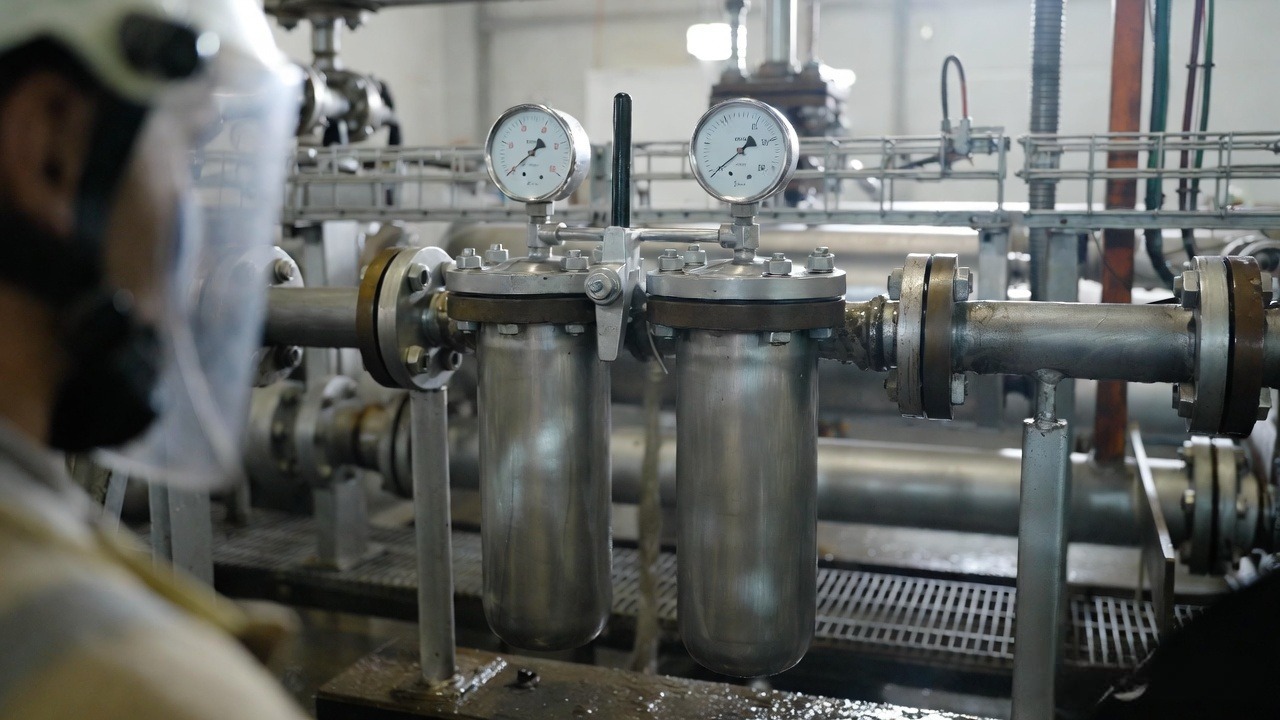
How Operating Conditions Influence Duplex Filter Switching Reliability
Operating environment significantly affects switching stability.
- High Flow Demand: increases turbulence and switching stress
- Temperature Variation: accelerates elastomer hardening and leakage potential
- Contamination Surge: causes rapid DP rise and frequent switching
- Cyclic Production Loads: introduces pressure pulsation affecting seating precision
- Equipment Aging: increases internal clearance and flow maldistribution
Understanding these sensitivities allows engineers to anticipate reliability degradation before major disruption occurs.
Preventing Duplex Filter Flow Switching Problems
Reliability improvements often depend on disciplined operational practices:
- Select duplex housing size based on realistic peak flow conditions
- Monitor differential pressure normalization after each changeover
- Implement scheduled seal inspection intervals based on operating severity
- Maintain commissioning cleanliness to prevent debris ingress
- Train operators to perform switching at controlled DP thresholds
In many plants, consistent DP monitoring alone significantly reduces unexpected filtration instability.
When to Repair, Replace, or Upgrade Duplex Filter Housing
Maintenance decisions should consider lifecycle performance rather than only immediate repair cost.
Repair Indicators
- Localized seal wear
- Minor switching resistance
- Stable filtration performance after cleaning
Replacement Indicators
- Recurring contamination breakthrough events
- Increasing frequency of consumable replacement
- Persistent differential pressure instability
Upgrade Indicators
- Production expansion increasing flow demand
- Highly variable contamination characteristics
- Operational need for automated or self-cleaning filtration
One practical observation is that repeated minor repairs can eventually exceed the cost of implementing a more robust filtration solution.
Practical Maintenance Lessons from Duplex Filter Switching Failures
Field experience highlights several commonly overlooked behaviours:
- Switching under panic conditions at very high differential pressure
- Ignoring early warning signs such as incomplete DP normalization
- Selecting excessively fine micron ratings leading to rapid choking
- Forcing changeover valves without investigating root cause
Developing awareness of these patterns helps maintenance teams shift toward predictive and reliability-focused practices.
Conclusion
Duplex filter housing flow switching problems rarely result from a single mechanical fault. More often, they reflect an interaction between process stress, contamination characteristics, equipment sizing, and maintenance behaviour.
Systematic troubleshooting enables engineers to distinguish between temporary operational disturbances and deeper reliability degradation trends.
By closely observing differential pressure behaviour, understanding failure development patterns, and applying structured diagnostic procedures, plants can minimize contamination risks, stabilize production throughput, and optimize maintenance resources.
Proactive filtration reliability management ultimately protects downstream equipment and reduces long-term operating cost.
FAQ — Duplex Filter Switching Troubleshooting
This may indicate incomplete chamber isolation, internal bypass leakage, or heavy contamination affecting both chambers simultaneously.
Yes. Worn seals, eroded seating surfaces, or incorrect switching position can allow contaminated fluid to mix with clean flow.
Switching under high DP increases hydraulic stress and may damage sealing components or cause pressure transients.
Flow instability can result from turbulence during switching, partial blockage, or uneven contamination distribution.
Inspection intervals depend on contamination severity, operating cycles, and temperature exposure, but planned periodic checks are advisable.
Yes. Overly fine filtration increases choking frequency and switching stress.
Upgrade becomes practical when production demand increases, contamination variability rises, or manual switching leads to repeated instability.
Higher differential pressure forces pumps to operate under greater load, increasing energy consumption and mechanical stress.